
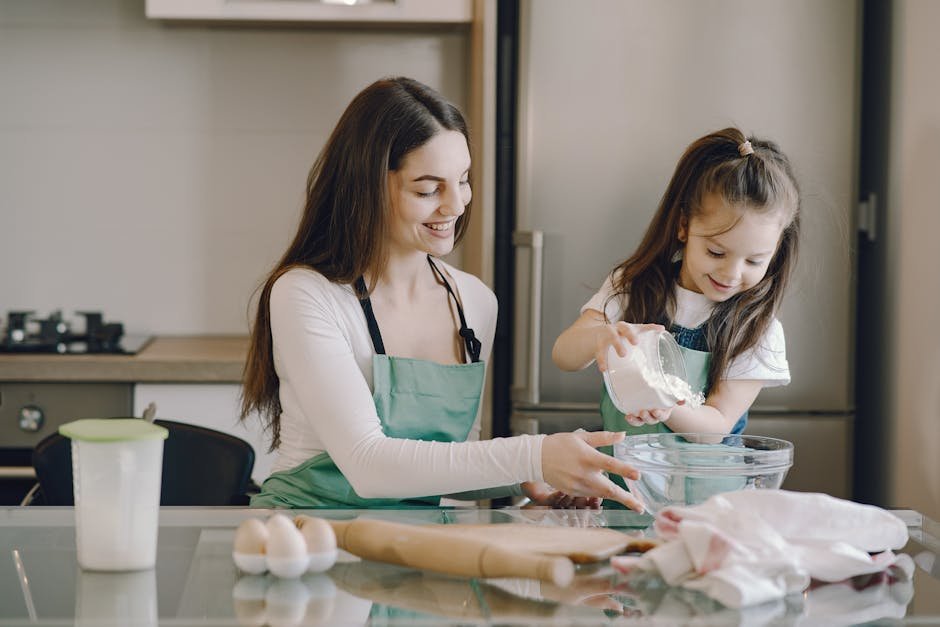
Okay, so my daughter, Lily, is four. She’s generally a happy kid, but I’ve noticed she gets really frustrated when she can’t do something right away, like, meltdown frustrated. And at preschool, her teacher mentioned she sometimes struggles to share and gets upset when another kid takes a toy she was playing with, even if she was done with it for a while. I want to help her learn to handle these situations better, but I’m not really sure where to start. What are some practical things my husband and I can do at home, and maybe even things we can encourage at preschool, to help Lily develop her social and emotional skills, specifically around emotional regulation and sharing? Any specific activities or techniques would be super helpful!
Answer
Parents play a pivotal role in shaping their child’s social and emotional development. Their influence stems from the consistent interactions, modeling, and guidance they provide from infancy through adolescence. Here’s how parents can effectively support this crucial development:
I. Early Childhood (Infancy to Preschool): Foundation Building
-
Responsive Caregiving:
- Prompt and consistent responses to a baby’s needs (feeding, comforting, changing diapers) build trust and security. A secure attachment forms when the child feels understood, safe, and valued. This secure base allows the child to explore the world with confidence, knowing they have a reliable caregiver to return to.
- Pay attention to the baby’s cues. Learn to interpret cries, facial expressions, and body language to understand their needs and emotions.
- Engage in reciprocal interactions. Talk, sing, and play with the baby, responding to their vocalizations and movements. This helps them understand cause and effect and lays the foundation for communication.
-
Labeling and Validating Emotions:
- Name and describe emotions. "You seem sad that your toy broke." This helps children understand what they are feeling.
- Validate their feelings. "It’s okay to feel angry when someone takes your toy." Validation doesn’t mean condoning the behavior, but acknowledging the feeling is real and acceptable.
- Model appropriate emotional expression. Show your own emotions in healthy ways, such as talking about feeling frustrated instead of yelling.
-
Social Interaction Opportunities:
- Arrange playdates. Even brief interactions with other children provide opportunities to learn about sharing, taking turns, and cooperation.
- Visit parks, libraries, and community centers. These environments offer exposure to different people and social situations.
- Read books about social and emotional themes. Books can introduce children to new concepts and provide examples of how characters navigate social situations.
- Teaching Basic Social Skills:
- Model and encourage sharing and taking turns. Start with simple activities, like passing a ball back and forth.
- Teach polite phrases. "Please," "thank you," and "excuse me" are essential for positive interactions.
- Help children understand personal space. Teach them to respect boundaries and ask for permission before touching someone else’s belongings.
II. Middle Childhood (Elementary School Years): Expanding Social Competence
-
Promoting Empathy:
- Encourage perspective-taking. Ask questions like, "How do you think your friend feels when you say that?" This helps children understand that others have different thoughts and feelings.
- Discuss the impact of actions. "How do you think your actions affected your sister?" This helps children connect their behavior to the feelings of others.
- Volunteer as a family. Helping others in need can foster empathy and compassion.
-
Supporting Friendship Development:
- Help children understand what makes a good friend. Discuss qualities like kindness, honesty, and loyalty.
- Role-play social situations. Practice how to initiate a conversation, join a group, or resolve a conflict.
- Encourage extracurricular activities. Sports, clubs, and other activities provide opportunities to meet like-minded peers and develop social skills.
-
Teaching Conflict Resolution Skills:
- Help children identify the problem. What happened? Who is involved?
- Encourage them to express their feelings and needs. "I feel angry when…" "I need you to…"
- Brainstorm solutions together. Think of different ways to resolve the conflict.
- Help them evaluate the solutions. What are the pros and cons of each option?
- Encourage them to compromise. Finding a solution that meets everyone’s needs.
- Developing Emotional Regulation:
- Teach coping strategies for managing difficult emotions. Deep breathing, counting to ten, taking a break, or talking to a trusted adult.
- Help children identify their triggers. What situations or events tend to make them feel angry, anxious, or sad?
- Create a calm-down space. A designated area where children can go to relax and regulate their emotions.
III. Adolescence (Teen Years): Navigating Complex Social Landscapes
-
Encouraging Open Communication:
- Create a safe and non-judgmental environment for teens to share their thoughts and feelings. Listen actively and avoid interrupting or criticizing.
- Be available to talk about difficult topics. Relationships, sexuality, peer pressure, and mental health.
- Respect their privacy. While it’s important to stay informed, avoid snooping or invading their personal space.
-
Supporting Identity Development:
- Encourage exploration of different interests and activities. This helps teens discover their passions and strengths.
- Provide opportunities for independence and autonomy. Allowing teens to make their own decisions and take responsibility for their actions.
- Celebrate their individuality. Support their choices and values, even if they differ from your own.
-
Promoting Healthy Relationships:
- Discuss the characteristics of healthy and unhealthy relationships. Boundaries, respect, communication, and trust.
- Help teens identify and avoid toxic relationships. Those that are manipulative, controlling, or abusive.
- Encourage them to seek support from trusted adults. Family members, teachers, counselors, or coaches.
- Modeling Responsible Behavior:
- Be a role model for healthy social and emotional skills. Show empathy, manage your own emotions effectively, and maintain healthy relationships.
- Discuss ethical dilemmas and decision-making. Help teens think critically about moral issues and make responsible choices.
- Support their involvement in community service. Volunteering can foster a sense of social responsibility and help teens connect with their community.
IV. General Strategies Applicable Across All Ages:
-
Positive Reinforcement:
- Praise and acknowledge positive social and emotional behaviors. "I’m proud of how you shared your toys with your friend."
- Focus on effort and progress, not just outcomes. "You worked really hard to resolve that conflict."
- Use specific praise, rather than general statements. "I noticed how you listened carefully to your friend’s point of view."
-
Setting Clear Expectations and Boundaries:
- Establish clear rules and consequences for behavior. Children need to understand what is expected of them and what will happen if they break the rules.
- Be consistent in enforcing rules. Consistency helps children learn and internalize expectations.
- Involve children in setting rules. This can help them feel more ownership and invested in following them.
- Seeking Professional Help When Needed:
- Don’t hesitate to seek professional help if you are concerned about your child’s social and emotional development. A therapist or counselor can provide support and guidance.
- Recognize the signs of potential problems. Excessive anxiety, depression, social withdrawal, or aggression.
- Early intervention is key to addressing social and emotional challenges.
By implementing these strategies, parents can create a supportive environment that fosters their child’s social and emotional growth, empowering them to navigate the complexities of life with confidence and resilience.

