
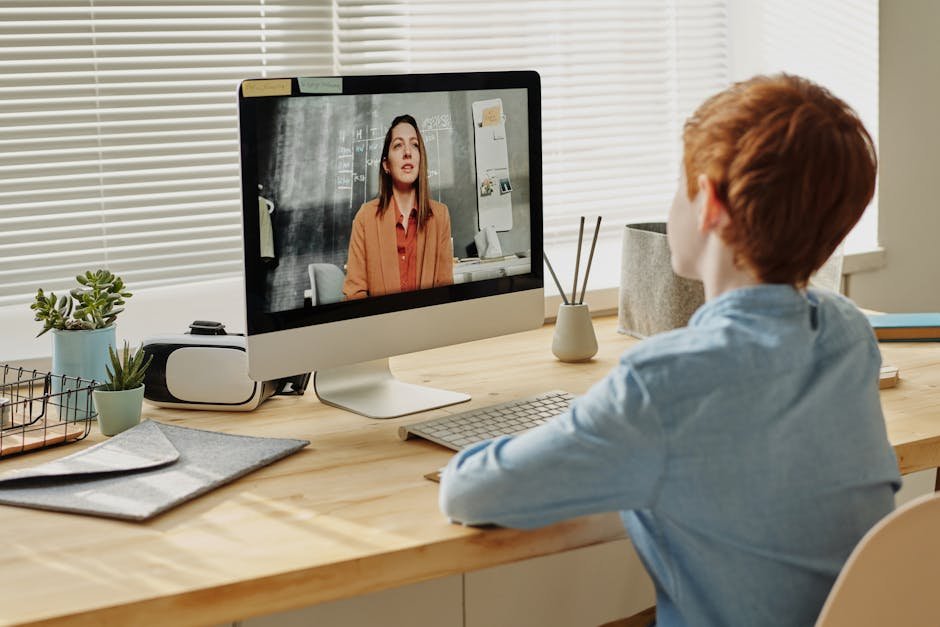
Okay, so with school being mostly online now (or at least having a hybrid model), I’m struggling to stay focused and organized. I’m a high school student, and I used to do all my homework at the library or at school after classes. But now I’m stuck at home with distractions everywhere – the TV, my little brother, snacks in the kitchen… you get the picture.
I’m really hoping to create a dedicated learning space somewhere in my house that will help me stay on track. We don’t have a huge house, so a whole room isn’t an option. I’m looking for practical and budget-friendly ideas.
Specifically, I’m wondering:
- What are the essential elements of a good learning space (even a small one)? Like, should I be prioritizing quiet, or good lighting, or ergonomics?
- How can I minimize distractions in my space? My phone is a HUGE problem.
- What are some tips for organizing my study materials within a limited space? I have a lot of textbooks and papers.
- Any recommendations for affordable furniture or accessories that would help? I don’t want to spend a ton of money.
- How can I clearly define this space as a "work zone" to others in my family? They keep interrupting me!
Any advice would be really appreciated! I just need some practical strategies to make learning at home more effective.
Answer
Creating a dedicated learning space at home involves several steps to ensure it is conducive to focus, productivity, and comfort. The primary goal is to minimize distractions and foster an environment where students can effectively engage with their studies.
1. Selecting the Right Location:
- Quiet Zone: Choose a location that is relatively quiet and away from common household activities like cooking, television watching, or playing. Avoid high-traffic areas like hallways or the living room, especially during peak activity times.
- Natural Light: If possible, select a space with access to natural light. Natural light improves mood, reduces eye strain, and increases alertness. If natural light is limited, ensure adequate artificial lighting is available.
- Minimize Distractions: Consider the surroundings. A room with a view might seem appealing, but if the view is highly stimulating, it could be distracting. The same applies to areas with frequent noises or visual clutter.
- Physical Separation: Ideally, the learning space should be physically separated from areas associated with relaxation or leisure, such as the bedroom (if possible). This helps create a mental association between the space and studying. If a bedroom is the only option, try to delineate the study area with a screen, bookshelf, or other visual barrier.
- Accessibility: Ensure the location is easily accessible when needed but also allows for privacy and minimal interruptions.
2. Setting Up the Physical Space:
- Ergonomics: Prioritize ergonomics to promote comfort and prevent physical strain.
- Chair: Invest in a comfortable and supportive chair that provides good posture support. Look for adjustable height, lumbar support, and armrests.
- Desk: Choose a desk that is the appropriate height for comfortable typing and writing. The desk should be large enough to accommodate all necessary materials, such as a laptop, books, and writing utensils.
- Monitor Placement: Position the computer monitor at eye level to prevent neck strain. Consider using a monitor stand or adjustable arm.
- Keyboard and Mouse: Place the keyboard and mouse close enough to the body to avoid reaching and strain. Consider using a wrist rest for added comfort.
- Organization and Storage:
- Storage Solutions: Implement organizational systems to keep the learning space tidy and clutter-free. Utilize shelves, drawers, filing cabinets, or storage boxes to store books, papers, and other materials.
- Desk Organizers: Use desk organizers, such as pen holders, trays, and file folders, to keep frequently used items within easy reach and to prevent clutter from accumulating on the desk surface.
- Vertical Space: Utilize vertical space by mounting shelves on the walls to store books and other materials, freeing up valuable desk space.
- Lighting:
- Ambient Lighting: Provide adequate ambient lighting to illuminate the entire space. Overhead lighting fixtures or lamps with adjustable brightness settings are suitable options.
- Task Lighting: Use a desk lamp or task lighting to provide focused illumination on the work area. Position the light source to minimize glare and shadows.
- Personalization (with moderation):
- Inspirational Items: Decorate the space with a few carefully chosen inspirational items, such as artwork, motivational quotes, or plants, to create a positive and inviting atmosphere.
- Avoid Over-Cluttering: Avoid overwhelming the space with too many personal items, as this can create distractions and detract from the learning environment.
3. Eliminating Distractions:
- Technology Management:
- Dedicated Device: If possible, use a dedicated device for studying to minimize distractions from social media, games, and other non-academic applications.
- Notification Management: Turn off or silence notifications on all devices to avoid interruptions. Use website blockers or productivity apps to limit access to distracting websites.
- Internet Access: Consider limiting internet access to specific study-related tasks. Download necessary materials in advance to minimize the need for constant online connection.
- Noise Reduction:
- Earplugs or Noise-Canceling Headphones: Use earplugs or noise-canceling headphones to block out distracting noises.
- White Noise or Ambient Sounds: Play white noise, nature sounds, or instrumental music to mask distracting background noises and create a more calming environment.
- Establishing Boundaries:
- Communicate Expectations: Communicate expectations with family members or roommates to minimize interruptions during study time. Establish clear boundaries and schedules to ensure uninterrupted periods of focus.
- Designated Study Time: Designate specific times for studying and stick to a consistent schedule. This helps create a routine and reinforces the association between the space and learning.
- Visual Distractions:
- Clean and Organized Space: A clean and organized space is less visually distracting. Regularly declutter and organize the learning area to maintain a focused environment.
- Facing a Wall: Consider positioning the desk to face a wall to minimize visual distractions from the surrounding environment.
4. Maintaining the Space:
- Regular Cleaning: Regularly clean and maintain the learning space to prevent clutter and create a more inviting atmosphere. Dust, vacuum, and wipe down surfaces as needed.
- Organization Maintenance: Regularly reorganize and declutter the space to ensure that it remains efficient and free from unnecessary items.
- Review and Adjust: Periodically review the effectiveness of the learning space and make adjustments as needed. Consider what works well and what could be improved to optimize the environment for learning. This could involve rearranging furniture, adding storage solutions, or adjusting lighting.
- Positive Reinforcement: Associate the learning space with positive experiences to reinforce its role as a productive and enjoyable environment. Reward yourself for completing study sessions or achieving learning goals.
By following these steps, students can create a dedicated learning space at home that is conducive to focus, productivity, and academic success. The key is to personalize the space to individual needs and preferences while minimizing distractions and promoting a comfortable and organized environment.

