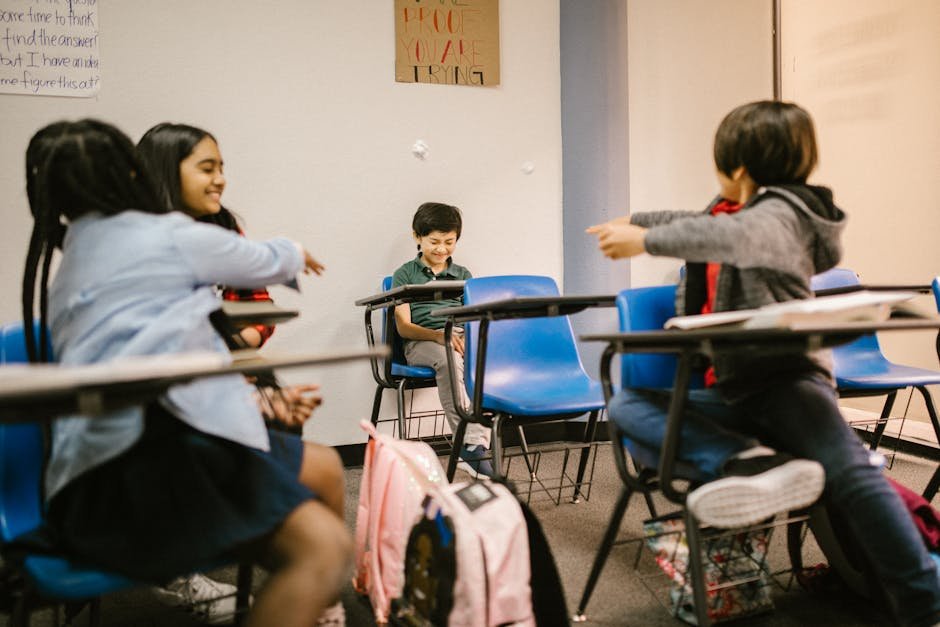
How can students learn to resolve conflicts constructively within a group
Okay, so I’m a teacher – middle school, if it matters – and I’m constantly dealing with conflicts in group projects. It’s like, the moment I say "group work," I can practically see the drama brewing. I’m tired of being the referee. I want them to actually learn how to handle disagreements themselves without immediately escalating to yelling or tattling.
What specific strategies or activities can I implement in my classroom (or even school-wide) to teach students how to constructively resolve conflicts within a group? I’m thinking beyond just telling them to "be nice." Are there structured approaches, role-playing scenarios, communication techniques, or conflict resolution models that have proven effective in helping students work through disagreements respectfully and productively?
Also, how do I handle power imbalances within groups? Some students are naturally more assertive, and their opinions often dominate, even if they aren’t necessarily better. How can I empower the quieter students to express their ideas and ensure that everyone’s voice is heard? Finally, how do you teach them to distinguish between healthy disagreement and bullying/harassment, and what are the steps to take if the conflict crosses that line?
Answer
Students can learn to resolve conflicts constructively within a group through a multifaceted approach that combines explicit instruction, guided practice, role-playing, and consistent reinforcement of positive behaviors. This involves developing specific skills in communication, empathy, problem-solving, and negotiation.
I. Foundational Knowledge & Skill Development:
- Understanding Conflict: Students need to understand that conflict is a normal and potentially productive part of group dynamics. It’s important to de-stigmatize conflict and present it as an opportunity for growth and learning. Define different types of conflict (e.g., task-based, relationship-based) and their potential impact on the group.
- Communication Skills:
- Active Listening: Train students to attentively listen to others without interrupting, to paraphrase and summarize to ensure understanding, and to use non-verbal cues (e.g., eye contact, nodding) to show engagement. Practice active listening exercises in pairs or small groups, providing specific scenarios and feedback.
- "I" Statements: Teach students how to express their feelings and needs using "I" statements (e.g., "I feel frustrated when…" instead of "You always…"). Explain the benefits of "I" statements in avoiding blame and defensiveness. Provide examples and opportunities for students to practice formulating "I" statements.
- Clear and Respectful Communication: Emphasize the importance of using clear, concise, and respectful language. Discuss how tone of voice, body language, and word choice can impact communication and escalate conflict. Encourage students to be mindful of their nonverbal communication.
- Empathy and Perspective-Taking:
- Understanding Different Perspectives: Help students understand that others may have different perspectives, values, and experiences that shape their viewpoints.
- Empathy Exercises: Engage students in activities that promote empathy, such as role-playing, storytelling, or perspective-taking exercises. Encourage them to consider the other person’s feelings and motivations.
- Identifying Common Ground: Teach students to look for common ground and shared goals, even when disagreements exist. This can help bridge differences and facilitate collaboration.
- Emotional Regulation:
- Identifying Emotions: Help students develop awareness of their own emotions and how they can impact their behavior during conflict.
- Managing Emotions: Teach strategies for managing emotions, such as taking deep breaths, counting to ten, or taking a break from the situation.
- Self-Control: Emphasize the importance of remaining calm and respectful, even when feeling angry or frustrated.
II. Conflict Resolution Strategies:
- Problem-Solving:
- Identifying the Problem: Teach students to clearly define the problem or issue causing the conflict. Encourage them to gather information and consider all sides of the issue.
- Brainstorming Solutions: Facilitate brainstorming sessions where students generate a variety of possible solutions. Encourage creativity and avoid criticism during the brainstorming process.
- Evaluating Solutions: Guide students in evaluating the pros and cons of each solution. Consider factors such as fairness, feasibility, and effectiveness.
- Choosing a Solution: Help the group reach a consensus on the best solution. Emphasize the importance of compromise and collaboration.
- Implementing and Evaluating: After choosing the best solution, develop a plan for implementing the solution and a method of evaluating the outcome of the solution.
- Negotiation and Compromise:
- Understanding Negotiation: Explain the principles of negotiation and compromise. Emphasize the importance of finding solutions that meet the needs of all parties involved.
- Identifying Needs and Interests: Encourage students to identify their own needs and interests, as well as the needs and interests of others.
- Finding Mutually Acceptable Solutions: Teach students how to find mutually acceptable solutions that address the needs of all parties. This may involve making concessions or finding creative solutions.
- Mediation:
- Understanding Mediation: Explain the role of a mediator in facilitating conflict resolution. A mediator is a neutral third party who helps the conflicting parties communicate and find a solution.
- Mediation Process: Teach students the steps involved in the mediation process, such as identifying the problem, sharing perspectives, brainstorming solutions, and reaching an agreement.
- Role-Playing Mediation: Engage students in role-playing scenarios where they practice mediating conflicts between their peers.
III. Creating a Supportive Environment:
- Establish Clear Expectations: Set clear expectations for how students should behave during group work and conflict situations. These expectations should be communicated explicitly and consistently reinforced.
- Model Positive Conflict Resolution: Teachers and other adults should model positive conflict resolution behaviors in their own interactions. This provides students with a positive example to follow.
- Provide Opportunities for Practice: Provide students with frequent opportunities to practice their conflict resolution skills in a safe and supportive environment. This can include role-playing, simulations, and real-life group projects.
- Provide Feedback and Support: Offer constructive feedback and support to students as they develop their conflict resolution skills. Recognize and reward positive behaviors.
- Address Bullying and Harassment: Create a school or classroom culture that does not tolerate bullying or harassment. Provide students with clear reporting mechanisms and ensure that incidents are addressed promptly and effectively.
- Promote a Culture of Respect: Foster a classroom culture that values diversity, respect, and empathy. Encourage students to appreciate different perspectives and to treat each other with kindness and compassion.
- Regularly revisit and reinforce these skills: Conflict resolution is not a one-time lesson but rather an ongoing process that needs continual review and application in different scenarios. Regularly revisit the strategies, discuss successes and challenges, and provide opportunities for students to refine their skills.
- Use real-world examples: Analyze conflicts that occur in the news or popular culture to help students apply their knowledge and understand the complexities of conflict resolution in various contexts.
By implementing these strategies, educators can empower students to navigate conflicts constructively, build stronger relationships, and contribute to a more positive and collaborative learning environment.
This content has been prepared by the Studentanswers editorial team for educational and informational purposes only. We recommend consulting a qualified professional before making any personal decisions.