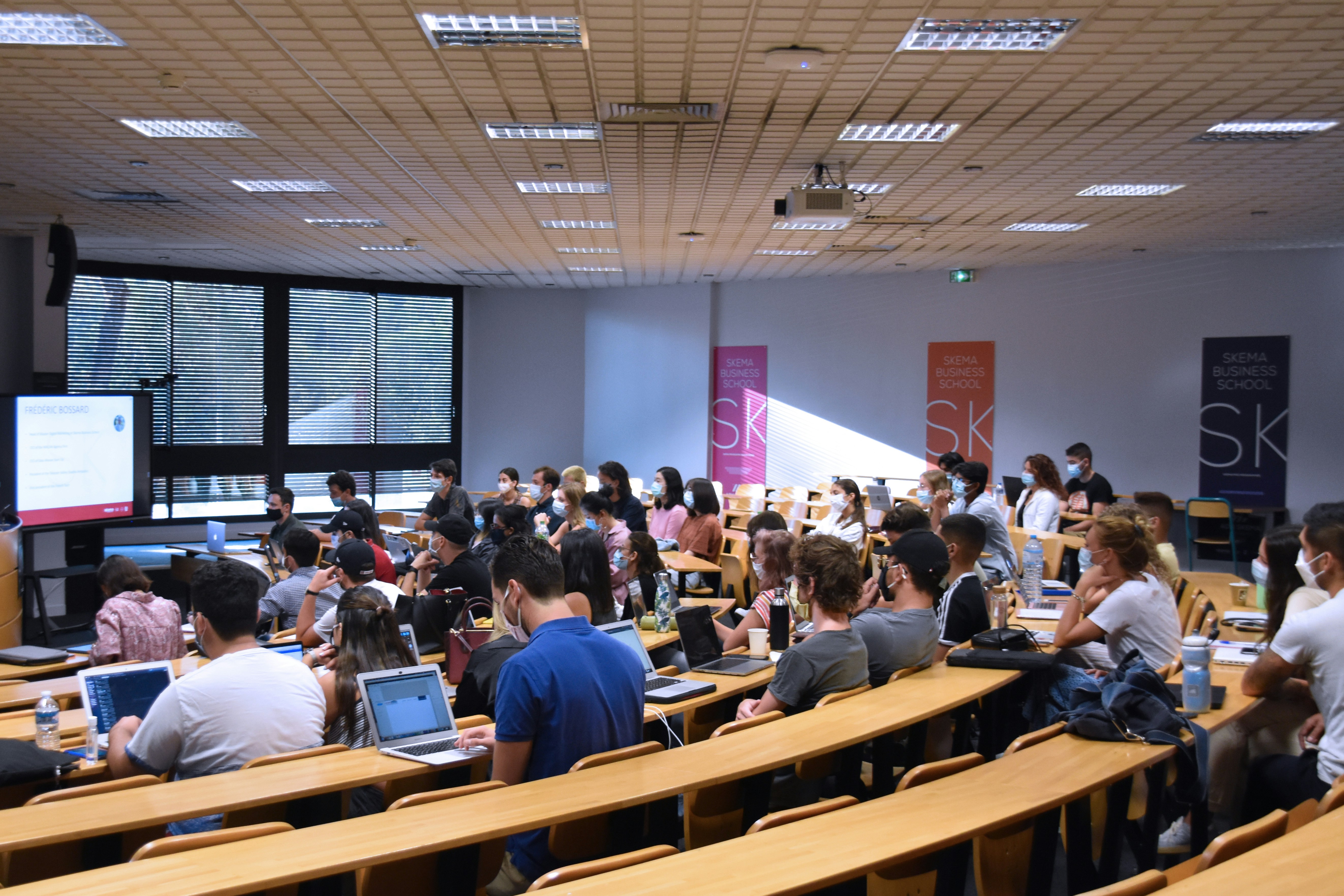
How does the learning environment differ in MOOCs versus traditional university courses
I’m trying to understand the best way to continue my education. I work full-time, so the flexibility of MOOCs is appealing, but I also value the structure and potential for in-person interaction I remember from my undergrad degree.
Specifically, I’m curious about the differences in things like:
- The level of interaction with instructors and peers: In a traditional course, you can raise your hand and ask a question. How does that compare to the opportunities for Q&A or discussion in a MOOC?
- The pace and structure of the course: Is a MOOC more self-directed or are there still deadlines and a defined schedule? How does that compare to the rigid schedule of a university course?
- The availability of support services: At university, I could visit the writing center or get help from a TA. Are similar support resources available in MOOCs?
- The overall feeling of community: Did people find traditional university courses fostered a stronger sense of community compared to MOOCs? I’m wondering if I’d miss that sense of belonging.
- The assessment methods: Are MOOCs primarily assessed through automated quizzes, or are there opportunities for more in-depth assignments like papers or projects, like in traditional courses? And how is feedback handled?
- Motivation and accountability: How difficult is it to stay motivated in a MOOC compared to a structured university course? Does the online format make it easier to procrastinate or lose track of progress?
I’m considering taking a MOOC in data science or project management, but I want to make sure I’m aware of the trade-offs before committing. Any insights based on your experiences would be greatly appreciated!
Answer
The learning environment in Massive Open Online Courses (MOOCs) differs significantly from that of traditional university courses across several key dimensions, including accessibility, interaction, assessment, pedagogy, community, resources, and institutional context.
Accessibility and Enrollment:
- MOOCs: Characterized by open enrollment, allowing anyone with an internet connection to participate regardless of geographical location, academic background, or financial status. The number of enrolled students can range from hundreds to hundreds of thousands in a single course.
- Traditional University Courses: Limited enrollment based on university admission criteria, program requirements, and course capacity. Enrollment is typically restricted to matriculated students meeting specific prerequisites.
Interaction and Communication:
- MOOCs: Interaction is primarily asynchronous, relying on discussion forums, online messaging, and occasionally, synchronous virtual office hours or webinars. Direct interaction with instructors is often limited due to the large class sizes. Peer-to-peer learning and support become crucial.
- Traditional University Courses: Opportunities for frequent and direct interaction with instructors through lectures, office hours, and in-person discussions. Smaller class sizes generally facilitate more personalized feedback and engagement. Interaction with peers occurs both inside and outside the classroom.
Assessment and Feedback:
- MOOCs: Assessment typically relies on automated quizzes, peer-graded assignments, and occasionally, more complex projects evaluated by a limited number of instructors or teaching assistants. Feedback is often automated or provided through rubrics, which can be less personalized than in traditional settings. Measures to prevent academic dishonesty, such as proctored exams or plagiarism detection software, can be implemented, but ensuring academic integrity at scale remains a challenge.
- Traditional University Courses: Diverse assessment methods, including exams, essays, presentations, projects, and class participation. Instructors provide more individualized feedback on student work, and there are opportunities for clarification and improvement. Academic integrity is maintained through established university policies and proctored exams.
Pedagogy and Course Design:
- MOOCs: Pedagogical approaches often prioritize short, engaging video lectures, interactive exercises, and gamified elements to maintain student engagement. Course design emphasizes self-paced learning and modular content delivery. Instructional design principles are used to create engaging and accessible learning experiences that cater to a diverse global audience.
- Traditional University Courses: Pedagogical approaches vary widely depending on the discipline and instructor, but often incorporate lectures, discussions, group work, and hands-on activities. Course design is typically structured around a semester-long schedule, with specific deadlines for assignments and exams.
Community and Support:
- MOOCs: Community building is fostered through discussion forums, social media groups, and study groups formed by learners themselves. Support services are often limited to technical assistance and general course information. Learners are responsible for self-directed learning and motivation.
- Traditional University Courses: A strong sense of community develops through shared learning experiences, extracurricular activities, and social interactions on campus. Students have access to a wide range of support services, including academic advising, tutoring, counseling, and career services.
Resources and Technology:
- MOOCs: Access to course materials is typically online, including videos, readings, and interactive exercises. Some MOOCs may offer access to virtual labs or simulations. Learners are responsible for providing their own technology and internet access.
- Traditional University Courses: Access to a wider range of resources, including libraries, laboratories, studios, and specialized equipment. The university provides technology infrastructure and support for students.
Institutional Context and Accreditation:
- MOOCs: MOOCs are often offered by universities or other educational institutions, but they may not always lead to accredited degrees or formal certifications. The value of MOOC credentials can vary depending on the institution and the employer.
- Traditional University Courses: Offered by accredited universities and lead to recognized degrees and certifications. The university provides a formal learning environment with established policies and procedures. The curriculum is designed and delivered by qualified faculty.
This content has been prepared by the Studentanswers editorial team for educational and informational purposes only. We recommend consulting a qualified professional before making any personal decisions.