
How I Paid Off $15,000 in Student Debt Before My College Graduation
In the spring of 2012, during my junior year of college, I set a goal that seemed almost impossible. I wanted to pay off my entire student loan balance—nearly $15,000—before I even walked across the graduation stage. It was an audacious, almost ridiculous ambition, but I was determined to try.
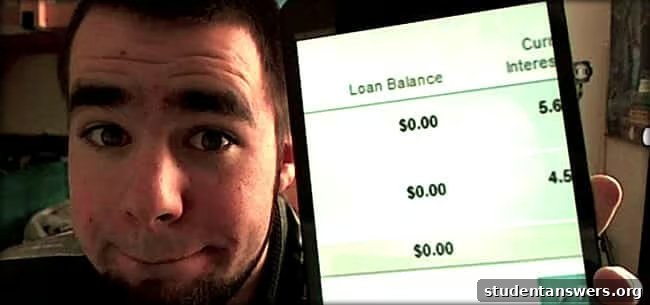
My journey began in October 2012 with my very first payment. Just six months later, on March 13, 2013, my final payment cleared. I had done it. I was completely debt-free, and I was still a full-time college student.
In this article, I’ll share my complete story, detailing the exact steps I took to eliminate my student loans. More importantly, I’ll provide you with a blueprint of actionable strategies you can use to minimize your own debt and start your journey toward financial freedom today.
How I Accidentally Racked Up $15,000 in Student Loans
The average college graduate today leaves school with around $27,000 in student loan debt. I should have been an exception. From the very beginning, my plan was to avoid debt entirely.
My parents were upfront with me long before I graduated from high school; I was largely on my own for college expenses. They simply didn’t have the funds to cover tuition, though they generously helped with personal costs like car insurance and my phone bill, for which I am incredibly grateful.
Motivated by this reality, I spent my junior and senior years of high school applying for every scholarship I could find. My hard work paid off. By the time I started my freshman year at Iowa State University, I had secured enough scholarship money to cover all of my tuition, with a little left over for books and fees. I also landed a part-time job at the campus IT support center before classes even began, ensuring a steady weekly income.
Despite all this planning, I still ended up in debt. How?
The answer was room and board. I was convinced that I needed to live in the on-campus dorms for my first couple of years to get the “full college experience.” I didn’t do enough research and assumed my only option was to pay for the entire year upfront. My FAFSA application offered me about $7,200 in Stafford loans to cover it, so without much thought, I accepted the full amount.
I made the exact same mistake my sophomore year. I moved back into my dorm and took out another $7,200 loan.
In hindsight, the solution was simple. I could have asked the university about a monthly payment plan for my housing. It’s a common option that I just didn’t know to ask about. With my job at the tech support center, where I worked 20 hours a week, I was earning more than enough to cover those monthly payments. But I fell into a common trap: I pushed the problem onto my “future self” and spent my income on a new computer setup and other non-essential purchases.
The Alarming Reality: Calculating the True Cost of My Debt
Like many students, my initial plan was to deal with the debt after graduation. I figured I’d land a high-paying job and the loan payments would be a minor inconvenience. “Future me will handle it,” I thought.
Curiosity got the better of me, and I decided to use an online loan calculator to see just how much this procrastination would cost. The results were a wake-up call.
The line that stood out was “Total Interest Paid.” If I followed the standard 10-year repayment plan, I would pay over $4,000 on top of the money I had borrowed. That was four thousand dollars for absolutely nothing in return. It was like setting a pile of cash on fire. That was unacceptable to me, and it sparked a new, far more aggressive plan.
My Audacious Goal and an Expensive Detour
During my junior year, I decided to aim for the impossible: I would become debt-free before I even had my diploma. I envisioned graduation as a launchpad for my life, and I didn’t want a single financial anchor holding me back.
At the time, my loan balance was close to $15,000, but I felt it was achievable. I had about $6,000 saved from a summer internship, and I was working as a Resident Advisor (RA), which meant my room and board were covered for the semester. All I needed was to earn more money.
I leaned on the web development skills I’d been teaching myself since high school. I reached out to my network and landed a few freelance projects, earning about $3,000 during the spring semester. Things were heading in the right direction.
And then, I got sidetracked.
A friend posted on Facebook about a summer trip to Japan and asked if anyone wanted to join. I had never traveled internationally, and the opportunity felt too good to pass up. I said yes.
To be clear, I have zero regrets about that trip. It was one of the most amazing experiences of my life. However, it completely drained my savings. By the end of the summer, I was financially back at square one. I had once again pushed my problems onto my future self, rationalizing that the travel opportunity was a once-in-a-lifetime chance, while the debt would always be there. When my senior year started, the goal of earning nearly $15,000 in just nine months felt impossible, and I even considered giving up.
The Breakthrough: How My College Blog Paid Off My Debt
Just when I was feeling most discouraged, my big breakthrough came from an unexpected place: the passion project I had been working on for years. I was able to turn my blog, College Info Geek, into my job.
I started the website in 2010 with no intention of making money. My goal was simply to share the strategies I was using to succeed in college. I also knew it would be a fantastic addition to my resume—a real project I had built from the ground up.
For nearly two years, the blog grew steadily. I became a better writer, got to travel to conferences for free, and connected with amazing people. But it wasn’t generating income. That changed when I discovered a blog called Smart Passive Income by Pat Flynn, who introduced me to the concept of affiliate marketing.
Affiliate marketing is a way to earn a commission by promoting another company’s products or services. When someone makes a purchase through your unique referral link, you earn a percentage of the sale.
Pat had two strict ethical rules that I immediately adopted:
- Only recommend products you have direct, positive experience with.
- Never pressure anyone to buy; simply offer your honest recommendation.
He was also completely transparent about his affiliate relationships. This honesty appealed to me. I had previously written a popular guide on how to build a personal website, and in it, I recommended the web hosting company I personally used, HostGator. I realized they had an affiliate program. It was the perfect fit.
I signed up, added my affiliate link to the guide, and included a clear disclaimer right at the top, explaining that I would earn a commission if readers signed up through my link. I was nervous people would think I had “sold out,” but the response was the exact opposite. Readers were supportive, and some even emailed me to make sure I got credit for their purchase. This taught me a powerful lesson: if you create genuine value and help people, they are happy to see you succeed.
The Staggering Results: From Side Project to Full-Time Income
So, what happened after I implemented this strategy? The results were beyond my wildest dreams. Here’s a look at my monthly earnings:
- June 2012: $600
- July 2012: $200
- August 2012: $1,800
- September 2012: $1,100
- October 2012: $750
- November 2012: $1,200
- December 2012: $3,375
- January 2013: $4,620
- February 2013: $4,900
- March 2013: $5,880
By the spring of my senior year, I was earning a full-time income from my website. All of that money went directly toward my student loans. And in March 2013, I made my final payment. My student debt was gone.
The Real Lesson: Finding Your Unique Path to Financial Freedom
So, should you start a blog to pay off your debt? Maybe, but that’s not the main point of my story. The real takeaway is that unconventional paths to earning money exist. I never imagined in a million years that a blog would be my ticket to debt freedom.
Your path will be different. It might involve freelance writing, graphic design, tutoring, starting a small e-commerce business, or a skill you haven’t even discovered yet. The key is to adopt an entrepreneurial mindset. Don’t limit your earning potential to a traditional hourly job. Explore side hustles, build valuable skills, and look for problems you can solve for others. It took me nearly two years to find my way, but with persistence, you can find yours too.
Your Blueprint for Tackling Student Debt (At Any Stage)
Now that you’ve heard my story, here are concrete strategies you can implement to either avoid debt or pay it off quickly.
For High School Students: Building a Debt-Free Foundation
- Get a Job and Save Aggressively: I worked 30 hours a week in high school, but I didn’t save much. Had I been disciplined, I could have started college with a significant financial cushion. Start saving now.
- Choose Your College Wisely: A degree from a public, in-state university is an incredible value. Don’t fall for the myth that a prestigious private school is the only path to success. Your effort and ambition matter far more than the name on your diploma.
- Become a Scholarship Hunter: Apply for scholarships relentlessly. Every small award adds up and reduces the amount you need to borrow.
For Current College Students: Strategies to Minimize and Erase Debt
- Work a Strategic Part-Time Job: An on-campus job is ideal because they are convenient and flexible with your class schedule. Look for a position, like at a library front desk, that might even allow you to do homework during downtime.
- Move Off-Campus After Freshman Year: Living in the dorms is a great first-year experience, but it’s often more expensive than an off-campus apartment, especially when you factor in mandatory meal plans.
- Master Your Budget: Track your spending and cut out non-essentials. Small daily expenses, like a fancy coffee, can add up to thousands of dollars per year that could be going toward your loans.
- Develop a High-Income Skill: Use your free time to learn a skill you can monetize. Web design, coding, video editing, and digital marketing are all in high demand for freelance work.
For Recent Graduates: An Aggressive Payoff Plan
- Make Debt Your #1 Priority: As you start your career, resist the temptation to inflate your lifestyle. Don’t buy a new car or a house right away. Continue to live like a broke college student and funnel every extra dollar toward your loans.
- Get a Temporary Second Job or Side Hustle: Your 9-to-5 job is just one income stream. Dedicate your evenings and weekends to a second job or freelance project with the sole purpose of accelerating your debt repayment. Once the debt is gone, you can quit.
- Consider Refinancing: If you have good credit, you may be able to refinance your student loans to a lower interest rate. This can save you thousands of dollars in interest over the life of the loan and help you pay it off faster.
Your Journey to Financial Freedom Starts Now
I’ve shared my story to show you what’s possible, not to give you a magic formula. Being debt-free feels incredible, and it opens up a world of possibilities for your future. The freedom to take career risks, travel, or invest without the weight of student loans is a prize worth fighting for.
Whether your debt is $500 or $100,000, the journey begins with a single step. Take action today. Create a budget, look for ways to earn extra income, and make a payment—any payment—that’s more than the minimum. You can do this.