Understanding Talent
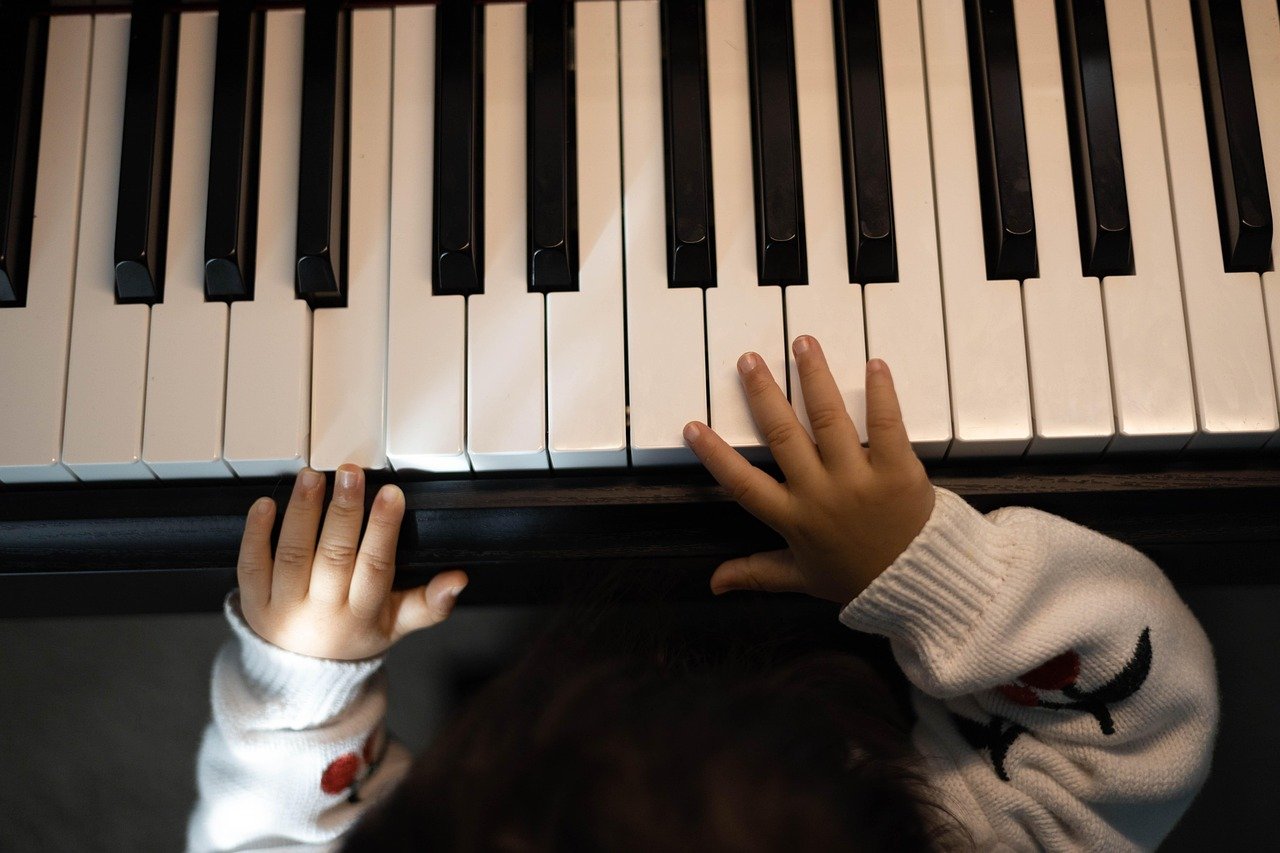
The concept of talent pertains to an innate ability that individuals inherently possess. This inherent aptitude is considered a gift, existing independently of one’s efforts or aspirations. Talent typically manifests in a variety of fields, including music, sports, and academia, where individuals demonstrate remarkable capabilities often from an early age. For instance, prodigious musicians may exhibit a natural inclination toward melody and rhythm, displaying dexterity and understanding that may not be easily taught.
From a psychological perspective, talent can be viewed as a combination of cognitive abilities and personality traits that contribute to an individual’s proficiency. This innate capability is influenced by a range of factors including genetics, which plays a crucial role in determining an individual’s predisposition toward certain talents. Research suggests that hereditary factors can impact cognitive functions, motor skills, and even emotional intelligence, thereby positioning individuals favorably in specific fields or activities.
Moreover, early exposure and environmental factors can enhance or restrict the expression of an individual’s talent. Children who engage in musical activities or sports from a young age may develop their natural abilities more fully, influenced by both biological predispositions and the nurturing of these talents through practice and encouragement. This interplay between genetics and environment illustrates that while talent is an innate quality, its fullest expression often requires external support and stimulation.
In summary, talent represents an innate, natural ability distinct from the skills acquired through learning and experience. Understanding the multifaceted nature of talent—considering both psychological and biological aspects—can enlighten discussions about the dynamics of learning. Thus, when examining the question of whether learning is a skill or talent, it becomes essential to acknowledge the role of inherent talent in forming abilities within varied domains.
Defining Skill
The concept of skill pertains to the ability to perform tasks and activities proficiently, which is developed through consistent practice, education, and firsthand experience. Skills are not innate; rather, they are cultivated over time through deliberate learning and effort. Unlike talent, which is an innate, natural ability that a person is born with, skill represents a learned competency that can be acquired and refined. For instance, an individual who learns to play a musical instrument does not rely solely on their natural aptitude but rather engages in a structured process of practice and formal training.
Skills can be categorized into various domains including technical skills like programming, soft skills such as communication, and practical skills such as cooking. Each skill set requires a distinct approach to learning, emphasizing the need for mentorship, foundational training, and consistent effort. Individuals who seek to improve their skills often engage in various types of educational resources, including workshops, online courses, or one-on-one coaching sessions. These resources provide guidance and foster an environment conducive to realistic practice.
Moreover, the development of skills plays a crucial role not only in personal growth but also in professional advancement. In the workplace, employees are often evaluated based on their skill sets, which can determine their contributions to team projects or their potential for promotion. Employers frequently prioritize candidates who demonstrate a willingness to learn and adapt, as well as those who actively engage in career development opportunities.
In conclusion, skill encompasses a spectrum of learned competencies developed through various means of practice and experience. While talent may initiate an individual’s journey, it is the commitment to honing skills that ultimately leads to mastery and proficiency in any given field.
The Relationship Between Skill and Talent
The ongoing debate regarding whether learning is a skill or talent is one that examines the interplay between innate abilities and acquired competencies. Talent is often defined as an innate, natural ability that a person is born with; it can be perceived as a gift that exists independently of an individual’s effort or desire. In contrast, skill is fundamentally acquired through learning and experience, developed over time through practice and dedication. This distinction is crucial when trying to understand how individuals achieve excellence in their respective fields.
Research and anecdotal evidence suggest that while talent may provide individuals with a head start, consistent and focused practice is the determining factor in achieving mastery. For instance, renowned mathematicians and musicians often practice their crafts for hours daily, showcasing that the development of skill can surpass the influence of raw talent. Take the example of Wolfgang Amadeus Mozart, whose prodigious talent as a child was evident; however, it was his rigorous practice routines and exposure to various musical styles that propelled him to greatness. Conversely, individuals without apparent talent can achieve remarkable success through deliberate and sustained effort.
This relationship suggests that success often lies in a blend of both skill and talent. While talent can lead to initial advantages, it is the drive to learn, improve, and master a discipline that truly determines long-term success. Numerous case studies highlight the importance of hard work and perseverance among those who may not have been the most naturally gifted in their fields. Athletes, artists, and scientists convey that talent alone is insufficient; continuous learning and the honing of specific skills are pivotal in realizing their potential.
Ultimately, the question of whether learning is a skill or talent is less about choosing one over the other and more about appreciating the synergy between them. By recognizing the essential contributions of both, individuals can adopt a more holistic approach to their endeavors, understanding that consistent effort and a willingness to learn are fundamental to achieving excellence in any area.
Conclusion: The Balance Between Talent and Skill in Learning
In the discourse surrounding the question of whether learning is a skill or a talent, it is crucial to acknowledge that both factors play significant roles in the educational journey of an individual. Talent is an innate, natural ability that a person is born with; it’s a gift that exists independently of the person’s effort or desire. This inherent capability can certainly provide a head start in various domains, enhancing one’s ability to learn and excel in specific areas. However, it is essential to recognize that talent alone does not guarantee success. This is where the concept of skill comes into play.
Skill is acquired through learning and experience, and it is often through systematic practice and dedication that individuals develop their abilities to their fullest potential. Unlike talent, which may come easily to some, the cultivation of skills requires deliberate effort, persistence, and an open mind to feedback and improvement. The integration of these skills into one’s learning process can bridge the gap between potential and achievement, allowing individuals to reach their goals regardless of their initial talent level.
Ultimately, success in any field is rarely about talent or skill alone; it is about the interplay between the two. While talent can indeed provide an advantage, it is the development of skills through hard work and resilience that determines long-term success. Therefore, readers are encouraged to recognize their own unique talents, while also committing to actively nurturing their skills through continuous practice and a dedicated growth mindset. By doing so, one can navigate their learning journey with a balanced approach that embraces both innate abilities and the transformative power of learned skills.
This content has been prepared by the Studentanswers editorial team for educational and informational purposes only. We recommend consulting a qualified professional before making any personal decisions.


