
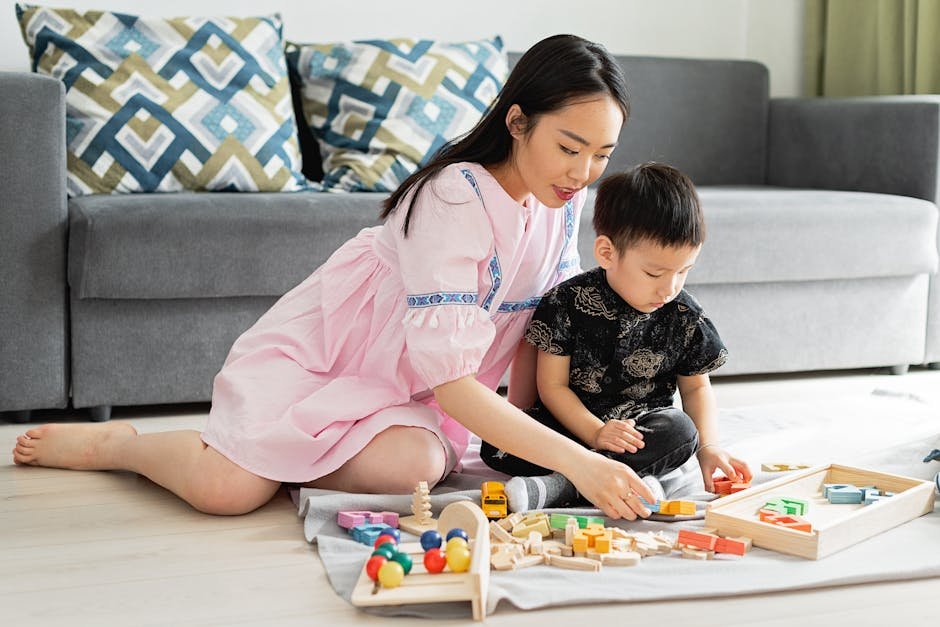
I’m a parent of a four-year-old, and I’ve been hearing a lot about play-based learning lately. My local school district is considering implementing it more widely in their preschool and kindergarten programs. On the one hand, it sounds great – fun, engaging, and allowing kids to learn at their own pace. I can see how it might be good for some children.
However, I’m also a bit worried. My child thrives on structure and clear instructions. He gets overwhelmed easily when there are too many choices or not enough guidance. Will play-based learning be effective for him? Specifically:
-
What about children who are naturally shy or struggle with social interaction? Does play-based learning actually help them, or does it just leave them feeling left out?
-
Are there any particular learning styles that play-based learning isn’t well suited for? My child seems to learn best when things are explained step-by-step.
-
What kind of support is needed for teachers to effectively implement play-based learning for all children, especially those with diverse learning needs or developmental delays? I don’t want it to just be free play with no actual learning happening.
- How is progress assessed in a play-based environment, and how can I be sure my child is keeping up with his peers if there aren’t traditional worksheets and tests?
Basically, I’m looking for a more nuanced perspective than just "play is good." I want to understand the potential downsides and what needs to be in place to ensure play-based learning benefits all kids, not just some. I really want to make an informed decision when the school asks for parent input on this.
Answer
Play-based learning, an approach where children learn through active engagement in play experiences, is generally considered suitable for all children, but the specific implementation and considerations need to be tailored to individual needs, developmental stages, and learning styles.
General Suitability and Benefits:
- Universal Appeal: Play is a fundamental part of childhood, transcending cultural and socio-economic backgrounds. Children are naturally drawn to play, making it an engaging and motivating way to learn.
- Holistic Development: Play fosters development across all domains: cognitive, social-emotional, physical, and creative. It provides opportunities for children to explore, experiment, problem-solve, collaborate, and express themselves.
- Intrinsic Motivation: Play is driven by children’s intrinsic motivation, which can lead to deeper learning and a greater sense of ownership over their learning process.
- Adaptability: Play-based learning can be adapted to suit a wide range of learning objectives and curriculum areas.
- Inclusivity: With appropriate modifications and support, play-based learning can be made accessible to children with diverse abilities and learning needs.
Considerations and Adaptations for Specific Needs:
- Children with Disabilities: For children with physical, cognitive, or sensory disabilities, adaptations to the play environment, materials, and activities may be necessary. Assistive technology, modified equipment, and individualized support can help ensure that these children can fully participate and benefit from play-based learning. For example, a child with limited mobility might benefit from adapted toys and equipment that allow them to engage in physical play in a safe and supported manner. Children with sensory processing difficulties may need environments with reduced sensory stimulation or access to sensory tools to help them regulate their sensory input.
- Children with Learning Differences: Children with learning differences, such as dyslexia or ADHD, may require structured play activities, clear instructions, and additional support to stay focused and engaged. Multi-sensory play experiences can be particularly beneficial for these children.
- Children from Diverse Cultural Backgrounds: It is important to consider the cultural backgrounds of all children when planning play-based learning activities. Incorporating culturally relevant materials, themes, and activities can help children feel valued, respected, and connected to their learning.
- Early Childhood vs. Later Childhood: The type of play and the level of adult involvement will vary depending on the child’s age and developmental stage. Younger children may benefit from more free-flowing, unstructured play, while older children may engage in more complex, rule-based games and activities.
- Children with Social-Emotional Challenges: Children who struggle with social-emotional skills can benefit from play-based learning activities that focus on cooperation, communication, and empathy. Teachers can model positive social interactions and provide guidance and support to help children develop these skills.
- Children with Autism Spectrum Disorder (ASD): Play-based learning can be a very effective intervention strategy for children with ASD. It can help them develop social skills, communication skills, and imaginative play skills. However, it is important to provide structured play activities with clear goals and expectations. Visual supports, social stories, and other strategies can help children with ASD understand and participate in play-based learning activities.
- Children Who Prefer Structured Learning: Some children may initially resist play-based learning because they prefer more structured and teacher-directed activities. It is important to gradually introduce play-based learning activities and to provide clear explanations of the learning objectives. Teachers can also incorporate elements of structured learning into play-based activities to help these children feel more comfortable.
Role of the Educator:
The educator plays a crucial role in facilitating effective play-based learning. This includes:
- Creating a rich and stimulating play environment: Providing a variety of materials and resources that encourage exploration, creativity, and problem-solving.
- Observing and assessing children’s play: Paying attention to children’s interests, strengths, and areas for growth.
- Facilitating play interactions: Guiding and supporting children’s play, but also allowing them to lead their own learning.
- Providing scaffolding: Offering support and guidance when children need it, but gradually withdrawing support as they become more confident.
- Making connections to curriculum: Linking play-based activities to specific learning objectives and curriculum areas.
- Communicating with families: Sharing information about children’s learning and progress in play-based settings.
- Ensuring Safety: Creating a safe physical and emotional environment where children feel comfortable taking risks and exploring.
Conclusion:
Play-based learning is a valuable approach to education that can benefit all children when implemented thoughtfully and with attention to individual needs. The key is to create a supportive and stimulating environment, provide appropriate scaffolding, and adapt activities to meet the unique learning styles and abilities of each child. It’s not a "one-size-fits-all" approach, but rather a flexible framework that can be tailored to promote optimal development and learning for all children.

