

How to Travel to Japan on a Budget: The Ultimate 2024 Guide
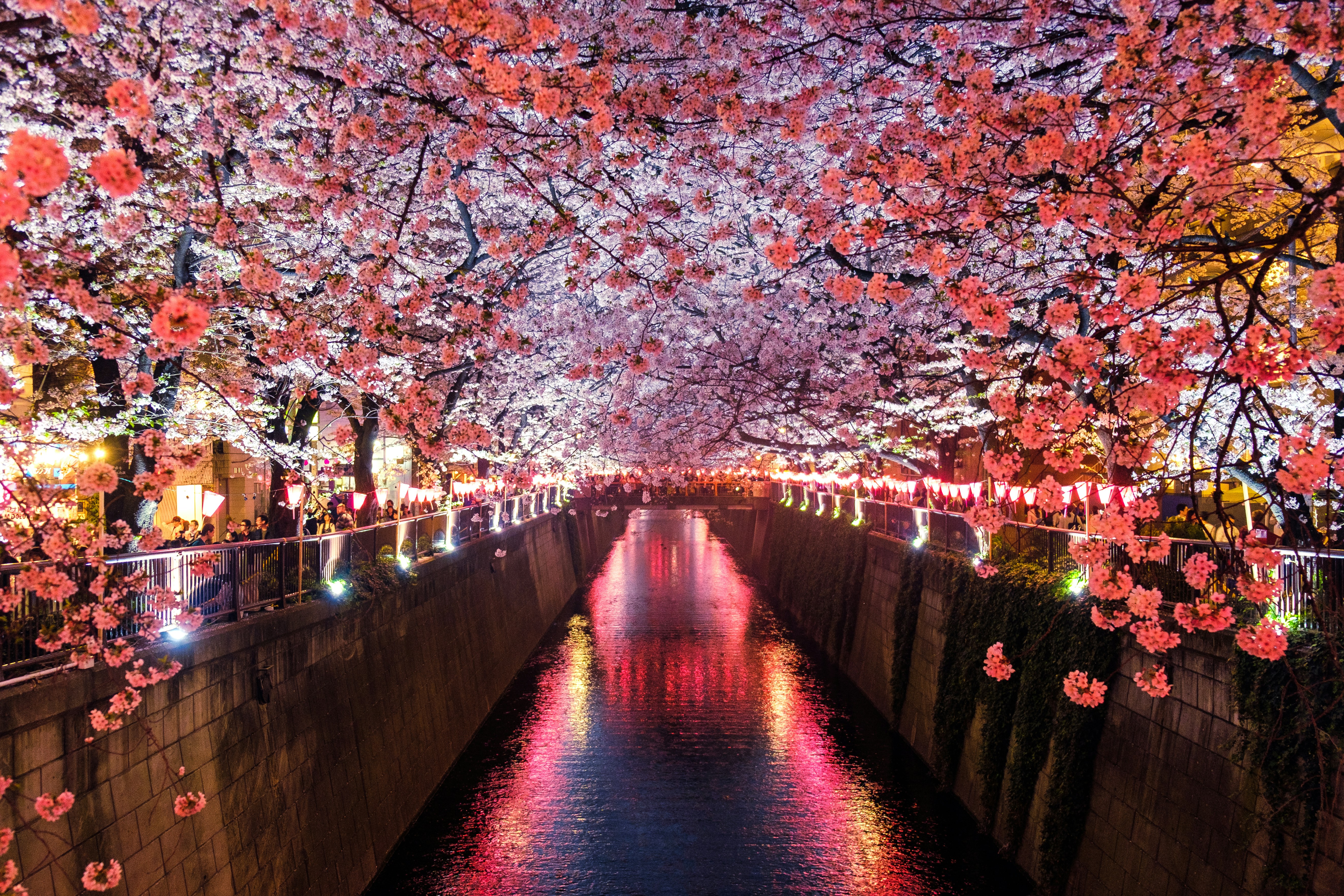
Japan is a country that captivates the imagination. From the futuristic cityscapes of Tokyo to the serene temples of Kyoto, it’s a destination that appears on countless travel bucket lists. I’ve been fortunate enough to visit twice, in 2012 and 2013, and I’m even planning another trip soon. Each time, I was struck by the incredible food, the rich culture, and the endless opportunities for exploration. However, Japan also has a reputation for being one of the most expensive countries in the world. This perception often discourages budget-conscious travelers from even considering a trip.
But here’s the secret: traveling to Japan on a budget is not only possible, but it can also be an incredibly rewarding experience. By being strategic and using a few key travel hacks, you can explore this amazing country without emptying your bank account. Over my trips, I’ve discovered numerous resources and techniques that make a cheap Japan trip a reality. This comprehensive guide will share those money-saving tips, covering everything from finding affordable flights to eating delicious food for less. Whether Japan is your dream destination or you’re just looking for general travel advice, these strategies will help you travel smarter.
Finding Affordable Flights to Japan
Your flight will likely be the single largest expense of your trip. Tackling this cost head-on is the first step to a successful budget journey. A little flexibility and the right tools can save you hundreds of dollars.
Travel During the Off-Season or Shoulder Seasons
Timing is everything. The most expensive times to fly to Japan are during peak seasons like the cherry blossom bloom (late March to early April) and Golden Week (late April to early May). Autumn, with its beautiful foliage, is also popular. To save money, consider traveling during the shoulder seasons (May-June or September-November) or the off-season (winter months from December to February, excluding holidays). Not only will flights be cheaper, but you’ll also face smaller crowds at popular attractions.
Use Flight Comparison Tools Strategically
Don’t book the first flight you see. Use powerful flight aggregator websites to compare prices across dozens of airlines. These tools are indispensable for finding the best deals.
- Skyscanner: Excellent for its “whole month” or “cheapest month” search feature, which shows you the cheapest days to fly.
- Kayak: Offers a price forecast tool that advises whether you should book now or wait for a potential price drop.
- Hipmunk: Visualizes flight options based on a combination of price, duration, and “agony,” making it easy to find the most convenient and affordable choice.
Pro Tip: Always search for flights in an incognito or private browser window. Some airline and booking websites use cookies to track your searches and may increase prices if they see you repeatedly looking at the same route.
Be Open to Layovers and Alternative Airports
Direct flights are convenient but almost always more expensive. A flight with one or two layovers can significantly reduce your ticket price. Tools like Clever Layover specialize in finding “hacker fares” by combining separate one-way tickets on different airlines. Also, look at flying into airports other than Tokyo’s Narita (NRT) or Haneda (HND). Osaka’s Kansai International Airport (KIX) often has competitive international fares and is a great starting point for exploring the Kansai region.
Smart Accommodation: Where to Stay Without Breaking the Bank
After flights, accommodation is the next major cost. Fortunately, Japan offers a wide variety of budget-friendly lodging options beyond traditional hotels.
Hostels and Guesthouses
Japan has a fantastic network of modern, clean, and safe hostels. They are no longer just for young backpackers. You can find private rooms in many hostels if you prefer more privacy than a dorm. Hostels are also a great way to meet other travelers and often have communal kitchens, allowing you to save even more money by cooking your own meals.
Capsule Hotels
For a uniquely Japanese experience, try a capsule hotel. You sleep in a small, self-contained pod that typically includes a bed, light, and power outlet. While not for the claustrophobic, they are incredibly efficient, clean, and cheap, making them perfect for solo travelers who just need a safe place to sleep.
Business Hotels
Business hotel chains like APA Hotel, Toyoko Inn, and Super Hotel offer great value. They provide small, no-frills, but impeccably clean rooms with private bathrooms and all the essential amenities. They are often conveniently located near train stations and offer a reliable standard of comfort at a reasonable price.
Eating Well in Japan on a Budget
One of the best parts of visiting Japan is the food, and you don’t need to dine at expensive restaurants to enjoy it. Some of the most authentic and delicious meals can be found for just a few dollars.
Embrace the Convenience Store (Konbini)
Japanese convenience stores—like 7-Eleven, FamilyMart, and Lawson—are a budget traveler’s paradise. They offer an incredible array of high-quality, cheap food. You can get a full and satisfying meal for under $10. Look for:
- Onigiri: Rice balls with various fillings like salmon, tuna mayo, or pickled plum.
- Bento Boxes: Pre-packaged lunch boxes with rice, meat or fish, and vegetables.
- Noodles and Soups: Fresh soba, udon, and ramen bowls.
- Sandwiches (Sando): Famous for their soft, crustless bread and delicious fillings like the egg salad sandwich.
- Fried Chicken (Famichiki/L-Chiki): Crispy, juicy, and addictive.
Dine at Noodle Shops and Gyudon Chains
For a hot, cheap, and fast meal, nothing beats a local noodle shop or a gyudon (beef bowl) chain. You can get a huge, steaming bowl of ramen, soba, or udon for just a few hundred yen. Chains like Yoshinoya, Sukiya, and Matsuya serve delicious beef-on-rice bowls 24/7, often for less than $5.
Visit Supermarket Basements (Depachika)
The basement floors of large department stores are elaborate food halls called depachika. While they sell gourmet items, they are also a great place to find deals. Head there about an hour before closing time, and you’ll see staff marking down prepared foods like sushi, bento boxes, and tempura by 30-50%. It’s a fantastic way to sample high-quality food at a fraction of the price.
Getting Around Japan for Less
Japan’s public transportation is world-class, but it can be expensive. The famous Japan Rail (JR) Pass is a popular option, but it isn’t always the most cost-effective choice. Assess your itinerary before you buy.
The Japan Rail (JR) Pass: Is It Worth It?
The JR Pass allows for unlimited travel on most JR trains, including the Shinkansen (bullet train). It’s a great value if you plan to make multiple long-distance trips between cities in a short period (e.g., Tokyo to Kyoto to Hiroshima within 7 days). However, if you’re primarily staying in one city or region, the pass will likely not pay for itself. Calculate the cost of your individual train journeys on a site like Japan-Guide to see if the pass is a good investment for your specific trip.
Use Regional Passes and IC Cards
If the nationwide JR Pass is too expensive, look into regional rail passes that cover specific areas like Kansai or Hokkaido. For local travel within cities, get a rechargeable IC card like Suica or Pasmo. These cards make tapping on and off subways and buses seamless and can be used at many vending machines and convenience stores.
Consider Highway Buses
For long-distance travel, overnight highway buses are a much cheaper alternative to the Shinkansen. While the journey takes longer, you save money on both the ticket and a night’s accommodation. Buses in Japan are clean, comfortable, and punctual.
Essential Planning Resources
Thorough planning is the key to a successful budget trip. These websites are invaluable for building your itinerary and finding up-to-date information.
- Japan-Guide.com: An incredibly detailed and comprehensive resource for everything related to Japan travel, from temple opening times to transportation options.
- Wikitravel: A great source for crowd-sourced tips, off-the-beaten-path suggestions, and practical advice written by fellow travelers.
- Tofugu: While focused on Japanese language and culture, this blog has fantastic, in-depth articles on travel that provide a unique perspective.
Traveling to Japan doesn’t have to be a once-in-a-lifetime splurge. By being a savvy planner, choosing your travel season wisely, and embracing local ways of eating and getting around, you can experience all the wonder this country has to offer on a surprisingly modest budget. It’s a destination that is accessible to everyone—you just need the right strategy.