

Mastering College Affordability 39 Essential Financial Tips
Feeling like your bank account is being sucked into a black hole called “college tuition”? You’re not alone. The cost of higher education can feel astronomical, but you don’t need a spaceship to fight back. College expenses can feel like a relentless force, determined to drain every dollar from your savings.
But there’s hope. Think of your degree as your ticket to a brighter financial future. With it, you’ll be equipped to not only succeed in your career but also to reclaim the money you’ve invested. While that payoff might seem distant, you can take action right now to protect your finances.
This guide is your ultimate toolkit for fighting back against soaring college costs. We’re not just offering small tips; we’re providing a comprehensive strategy to slash your expenses and build a solid financial foundation. Here are 39 powerful ways you can reduce the cost of college, organized to help you make the biggest impact.
- Strategies to dramatically lower your overall education costs.
- Practical frugality tips and tools for everyday savings.
- Proven methods for making money while in school to minimize debt.
Let’s dive in and start saving.
1. Choose Your College Wisely to Maximize Savings
No other decision will impact your finances as much as your choice of college. This is the single most important factor in determining the total cost of your degree. To set yourself up for success, start with a smart baseline.
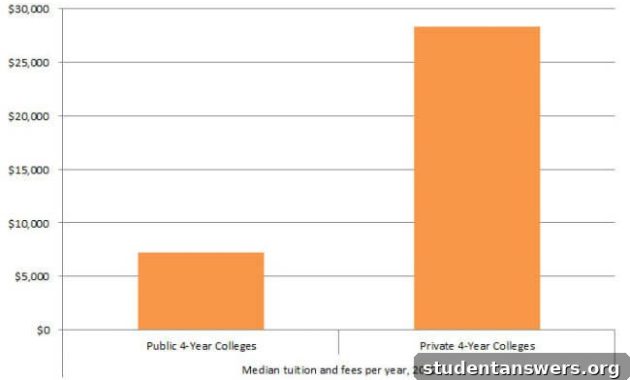
If you’re still exploring your options, consider an in-state, public university as your primary choice. For most students, these institutions offer the best value and the lowest tuition fees. While there are exceptions, on average, this is your most affordable path to a bachelor’s degree. Historical data consistently shows a significant gap in tuition between public and private universities, with private schools often costing two to three times more.
This doesn’t mean you must avoid private colleges altogether. If you can secure substantial scholarships or grants that make a private institution’s net price competitive with or cheaper than a public one, it could be a fantastic choice. However, if you anticipate needing student loans, it’s crucial to anchor your decision-making in financial reality. Don’t commit to a more expensive school until you have a clear plan to pay for it without excessive debt.
2. Start at a Community College
Attending a community college for your first one or two years is one of the most effective strategies for cutting college costs. You can complete your general education requirements at a fraction of the price of a four-year university before transferring to complete your bachelor’s degree.
According to Georgetown University’s Center on Education and the Workforce, a significant percentage of Americans with associate’s degrees earn more than those with bachelor’s degrees, especially in high-demand technical fields.
This highlights that career success is often more dependent on your skills and personal effort than the prestige of your school. Starting at a community college allows you to build a strong academic foundation while saving tens of thousands of dollars. Ensure the credits you earn are transferable to your target four-year institution by checking articulation agreements in advance.
3. Live Off-Campus After Freshman Year
Living in a dorm during your freshman year is an excellent way to immerse yourself in campus life, make friends, and stay close to your classes. However, this convenience comes at a premium price. After your first year, moving off-campus can lead to substantial savings.
In most college towns, renting an apartment with roommates is significantly cheaper than paying for a dorm room and a mandatory meal plan. Consider this typical cost comparison:
- Housing: Dorms can cost hundreds more per month than a shared apartment.
- Food: A required campus meal plan often averages over $7 per meal, while cooking your own meals can easily cost less than half that amount.
Do your research on local rental markets to confirm the potential savings, but in most cases, you’ll find that living independently is the more financially savvy choice.
4. Adopt a Minimalist Mindset
Minimalism isn’t about deprivation; it’s about intentionality. It’s a lifestyle focused on questioning what truly adds value to your life and eliminating the rest. By clearing away physical and mental clutter, you can focus on what matters: your health, relationships, and education.
“Minimalism is a tool to rid yourself of life’s excess in favor of focusing on what’s important—so you can find happiness, fulfillment, and freedom.” – The Minimalists
Adopting this mindset helps you resist the pressure to consume. You’ll be more content with a functional thrift-store couch, a reliable older car, and a clutter-free living space. This deliberate approach to consumption keeps your bank account healthier and reduces stress, allowing you to focus on your studies and personal growth.
5. Inquire About Monthly Dorm Payments
Most universities require students to pay for their dorm room in a large, lump-sum payment each semester. This can be a huge financial burden, often forcing students to take out loans just to cover housing. However, many schools offer an alternative that isn’t widely advertised.
Ask your university’s housing department if they offer a monthly payment plan. Many do, but it may require you to opt-in by a specific deadline. If you have a steady income from a part-time job, paying monthly can help you avoid taking on unnecessary debt and the interest that comes with it. Don’t be afraid to ask the questions that others don’t; it can save you a lot of money.
6. Build Your Own Loft Bed
Dorm rooms are notoriously small, and a loft bed is a classic solution for creating more usable space. However, renting one from the university or buying a pre-made kit can be expensive, often costing over $100. If you have access to some basic tools and a bit of DIY spirit, you can build your own for a fraction of the cost. You can find simple, sturdy loft bed plans online that cost as little as $20 in materials. It’s a great weekend project that saves money and customizes your space.
7. Master Home Cooking to Slash Food Costs
Cooking your own food is one of the most impactful ways to save money in college. It’s far cheaper than a campus meal plan and exponentially less expensive than eating out. Learning to cook a few simple, healthy, and affordable meals can save you hundreds of dollars each month.
A large, healthy stir-fry with rice, chicken, eggs, and vegetables can cost as little as $3.50 per serving. To make cooking easier and more sustainable, try these tips:
- Master a Few Recipes: Learn a handful of go-to meals so well that you can cook them on autopilot.
- Meal Prep: Plan your meals for the week, shop for ingredients in bulk, and cook several servings at once. This saves time and reduces food waste.
- Use a Slow Cooker: A slow cooker is a student’s best friend. You can make large batches of chili, soup, and pulled meats with minimal effort.
8. Optimize Your Meal Plan
If you’re required to have a meal plan, especially during your freshman year, find ways to get the most value out of it. Meal plans are notoriously expensive, but you can hack the system to reduce costs.
- Choose a Smaller Plan: Opt for a plan with fewer meals per week. You probably don’t need three full meals a day from the dining hall. You can supplement with simple foods you make in your dorm.
- Maximize Each Visit: If your dining hall is all-you-can-eat, eat a larger, more nutrient-dense meal to keep you full longer.
- Take Food to Go: Check the rules, but many dining halls allow you to take a piece of fruit or a bagel with you. This can serve as a snack for later, saving you from buying something else.
9. Brew Your Own Coffee
A daily trip to the coffee shop can drain your wallet faster than you think. A $4 latte every day adds up to over $1,200 a year. The solution is simple: brew your own coffee. You can start with a basic coffee maker and pre-ground coffee for a very low initial investment.
If you appreciate a higher quality brew, an AeroPress is a fantastic and affordable gadget that makes coffee comparable to a French press without the grit. Paired with an inexpensive grinder and an electric kettle, you can make café-quality coffee for a fraction of the price.
10. Continuously Apply for Scholarships
Scholarships aren’t just for high school seniors. There are thousands of awards available specifically for current college students. In fact, you may be a stronger candidate now that you have a college GPA, work experience, and a portfolio of projects.
Author Kristina Ellis, who won over $500,000 in scholarships, emphasizes focusing on your passions. “Years of dedication to a few things you really excel in can be more appealing in scholarship applications than participating in a ton of activities that require little commitment.”
Here’s how to succeed:
- Focus on Local Awards: Start with scholarships offered by your university, department, or local community organizations. The competition is much lower.
- Schedule Time: Dedicate a small amount of time each week to searching and applying for scholarships.
- Build Your Brand: Your personal brand and online presence matter. A professional portfolio or website can make you stand out.
11. Graduate in Less Than Four Years
The traditional four-year timeline for a bachelor’s degree is a guideline, not a rule. If you’re highly motivated and organized, you can finish your degree early and save an entire year’s worth of tuition and living expenses.
Strategies for accelerating your graduation include:
- Overloading Credits: Take more than the standard number of credits each semester.
- Strategic Course Selection: Look for classes that fulfill multiple degree requirements simultaneously.
- Testing Out of Classes: Use CLEP exams or departmental tests to earn credit for knowledge you already have.
- Summer and Winter Courses: Take classes during breaks to get ahead.
This approach requires significant discipline and may limit your time for internships and extracurriculars, so weigh the pros and cons carefully. It’s a powerful option if minimizing cost is your top priority.
12. Earn College Credits in High School
Getting a head start on college credits while you’re still in high school is a brilliant way to save both time and money. By earning credits through dual-enrollment programs, AP (Advanced Placement) classes, or IB (International Baccalaureate) exams, you can enter college as a sophomore and bypass many introductory-level courses.
Before enrolling in any program, always confirm that the credits will be accepted by the colleges you plan to attend. A quick call or email to the admissions office can save you from wasting time and effort on non-transferable courses. Graduating high school with a semester or even a year of college already completed is a massive financial advantage.
13. Never Pay Full Price for Textbooks
Textbooks are a notorious budget-killer, with students often spending over $1,000 per year. You should never pay the full sticker price. With a little planning, you can drastically reduce this expense.
- Get Your Book List Early: The sooner you know which books you need, the more time you have to find cheap options.
- Contact Your Professor: Email your professor before class starts to ask if an older or international edition of the textbook is acceptable. This can save you a fortune.
- Explore All Options: Check your university library, rent from services like Chegg, buy used from other students, or look for free PDF versions online (legally, of course).
- Use a Price Comparison Tool: Websites like StudentRate Textbooks compare prices across dozens of online retailers to help you find the best deal.
- Consider OER: Ask if your course uses Open Educational Resources (OER), which are free, high-quality digital textbooks.
14. Avoid Private Student Loans at All Costs
While federal student loans offer protections like income-driven repayment plans, deferment options, and potential forgiveness programs, private student loans offer almost none of these safeguards. They are far less flexible and can become an overwhelming financial burden after graduation.
Author Zac Bissonnette states in Debt-Free U, “Neither you nor your child should ever, under any circumstances, ever, take out any private student loans.”
This is strong advice. Exhaust every other option first: scholarships, grants, federal loans, and work-study programs. If you find yourself in a position where a private loan seems like the only option, it may be a sign to reconsider your choice of college for a more affordable one.
15. Earn While You Learn with a Job or Side Hustle
Getting a part-time job or starting a side hustle is a fantastic way to earn money, gain valuable work experience, and reduce your reliance on loans. On-campus jobs are often flexible and understanding of a student’s schedule.
Look for jobs that align with your major or career goals, such as working in a campus IT department, becoming a research assistant, or tutoring. Freelancing in areas like web design, writing, or social media management can also provide a flexible and lucrative income stream. The experience you gain will make you a much more attractive candidate for internships and full-time jobs after graduation.
16. Lower Your Cell Phone Bill
Your cell phone is a necessity, but that doesn’t mean you have to overpay for it. If possible, staying on your parents’ family plan is often the cheapest option. If you need your own plan, avoid expensive contracts from major carriers.
Explore lower-cost alternatives like MVNOs (Mobile Virtual Network Operators) such as Mint Mobile, Ting, or Google Fi. These providers use the same networks as the major carriers but offer significantly cheaper plans, especially if you don’t need unlimited data. A site like WhistleOut can help you compare dozens of plans to find the best deal for your usage patterns.
17. Always Look for Student Discounts
Your student ID is a powerful money-saving tool. Many businesses offer discounts to students, but they often don’t advertise them. Always ask if a student discount is available before you pay.
- Technology: Apple, Dell, and many software companies like Adobe and Microsoft offer educational pricing.
- Streaming & Subscriptions: Amazon Prime, Spotify, and YouTube Premium all have discounted student plans.
- Retail: Many clothing stores, especially those near campus, offer 10-15% off with a student ID.
- Travel: Websites like StudentUniverse offer special deals on flights and hotels for students.
- Local Businesses: Restaurants, movie theaters, and museums in your college town are likely to have student specials.
18. Take Advantage of Free Campus Resources
Your tuition and student fees pay for a wide array of resources and activities that are “free” for you to use. Taking advantage of them is a great way to have fun and stay healthy without spending extra money.
- Fitness Center: Use the state-of-the-art gym, pool, and fitness classes instead of paying for a private membership.
- Entertainment: Attend free on-campus movie nights, concerts, guest lectures, and sporting events.
- Health Services: The student health center often provides free or low-cost medical consultations and wellness resources.
- Transportation: Many universities offer a free bus service for students to get around campus and town.
- Free Food: Keep an eye out for club meetings, departmental events, and welcome week activities—they almost always feature free pizza or snacks.
19. Use Credit Cards Responsibly to Build Credit
Using a credit card responsibly in college is the best way to build a strong credit history, which will be crucial when you want to rent an apartment, buy a car, or even get a job. The key is to treat it like a debit card and always pay the balance in full every month.
Here’s how to do it right:
- Choose a Student Card: Look for a card designed for students, preferably one with no annual fee and cash back rewards.
- Automate Payments: Set up automatic payments to ensure you never miss a due date.
- Keep Utilization Low: Try to use less than 30% of your available credit limit to maximize your credit score.
By paying your bill on time and in full, you’ll never pay a cent in interest, and you’ll graduate with a valuable financial asset: a great credit score.
20. Track Your Finances with a Budgeting App
As the saying goes, “What gets measured, gets managed.” You can’t control your spending if you don’t know where your money is going. A budgeting app is the easiest way to get a clear picture of your financial health.
Apps like Mint, YNAB (You Need a Budget), or Rocket Money automatically link to your bank accounts and credit cards, categorizing your transactions and showing you exactly how you’re spending your money. Seeing it all laid out can be a powerful motivator to cut back on non-essential categories like fast food or subscription services you don’t use.
21. Use Cash for Discretionary Spending
If you find that you’re still overspending despite using a budgeting app, try the envelope system or simply use cash for your variable expenses like dining out, entertainment, and shopping. At the beginning of the week, withdraw a set amount of cash for these categories. Once the cash is gone, you can’t spend any more. Swiping a card is psychologically easy; handing over physical cash forces you to be more mindful of each purchase.
22. Negotiate Your Monthly Bills
Many recurring bills, like your internet or cell phone plan, are negotiable. Companies would rather give you a small discount than lose you as a customer. Periodically call your service providers and politely ask if there are any promotions or better plans available. Mentioning that you’re considering switching to a competitor can often unlock “secret” retention deals that aren’t publicly advertised. A 10-minute phone call could save you $10-20 every month.
23. Implement a 30-Day “Impulse Buy” Rule
To curb impulse spending, create a “30-Day List.” Whenever you feel the urge to buy a non-essential item over a certain price (say, $50), write it down on the list with the date. Then, wait 30 days. After a month has passed, if you still genuinely want and need the item, you can consider buying it. More often than not, you’ll find that the initial desire has faded, and you’ll be glad you saved the money.
24. Become a “Shopping Sniper”
A “shopping sniper” is someone who goes to the store with a precise mission and executes it without getting distracted. This applies to both grocery shopping and general retail.
- Always Make a List: Know exactly what you need before you enter the store.
- Shop Efficiently: Move through the store quickly, getting only the items on your list. Avoid browsing aisles where you don’t need anything.
- Avoid Temptation: Steer clear of sales displays for items you don’t need and be firm with salespeople.
This focused approach prevents you from making unintended purchases that can quickly derail your budget.
25. Be Intentional with Your Indulgences
It’s okay to spend money on things you truly enjoy. The key is to be deliberate. Identify the few treats or activities that bring you the most joy—whether it’s a craft beer, a high-quality coffee, or a monthly trip to the movies—and spend your “fun money” on those. At the same time, ruthlessly cut out mindless spending on things you don’t really care about, like vending machine snacks or cheap souvenirs. This ensures your money is spent on what actually makes you happy.
26. Get Creative with Low-Cost Dates
Dating doesn’t have to be expensive. In fact, creative and thoughtful dates are often more memorable than a generic “dinner and a movie” night.
Plan activities that foster connection and fun without a high price tag. Some ideas include:
- Having a picnic in a scenic park.
- Visiting a free museum or art gallery on a community day.
- Going for a hike or bike ride on a local trail.
- Cooking a meal together at home.
- Building an elaborate scavenger hunt with clues and puzzles.
The effort and creativity you put in will be more appreciated than the amount of money you spend.
27. Start Investing, Even a Small Amount
If you have your high-interest debt under control and have a small emergency fund, it’s a great idea to start investing as early as possible. Thanks to the power of compound interest, even small, consistent investments made in your late teens or early twenties can grow into a substantial sum over time. Open a Roth IRA with a low-cost index fund provider like Vanguard or Fidelity and set up automatic monthly contributions, even if it’s just $25 or $50 to start. Your future self will thank you.
28. Create a “Spending Firewall”
A spending firewall is a simple psychological trick to prevent overspending. Keep the majority of your money in a separate savings account that isn’t linked to your debit card for overdraft protection. Only keep enough money in your checking account to cover your known monthly bills and a modest amount for discretionary spending. This extra step of having to manually transfer money from savings to checking forces you to pause and think before making an impulse purchase.
29. Save Money When You Go Out
Socializing is an important part of the college experience, but nights out can be a major drain on your budget. You can still have fun without overspending.
- Set a Budget: Decide how much you’re going to spend before you leave home, and only bring that amount in cash.
- Look for Specials: Pay attention to happy hours, daily drink specials, and nights with no cover charge.
- Pre-Game Responsibly: Having a drink at home with friends before you go out is a classic way to save money. Just be safe and responsible.
- Plan Your Ride: Arrange for a designated driver or know the public transit schedule in advance to avoid an expensive late-night cab or rideshare.
30. Cultivate a Passion or Hobby
Boredom is the enemy of your budget. When you’re bored, it’s easy to turn to consumption for entertainment—buying things you don’t need, mindlessly scrolling and shopping online, or overspending on food and drinks. The best defense is to find a passion or hobby that engages your mind and time. Whether it’s learning to code, joining a hiking club, playing an instrument, or volunteering, having a fulfilling activity to focus on will reduce the temptation to spend money out of sheer boredom.
31. Make the University Library Your Second Home
Your university library is an incredible, free resource. Beyond being a quiet place to study, it offers a wealth of entertainment and knowledge.
Instead of buying books or paying for movie streaming services, check them out from the library for free. You can borrow novels, non-fiction books, graphic novels, movies, and even music. Developing a love for reading is one of the most affordable and enriching hobbies you can have.
32. Practice Financial Mindfulness
Mindfulness is simply the practice of being deliberately aware of your actions and their consequences. Applied to your finances, it means thinking ahead and understanding how your daily choices impact your long-term goals. For example, being mindful means remembering to register for classes the moment registration opens so you get the schedule you need, or starting your internship search a semester early to get the best opportunities. This proactive mindset helps you avoid costly mistakes and seize money-saving opportunities.
33. Buy and Sell on Online Marketplaces
Online marketplaces like Craigslist, Facebook Marketplace, and OfferUp are treasure troves for finding used items—furniture, electronics, bikes, and more—for a fraction of their retail price. You can also use these platforms to make extra cash by selling things you no longer need. I once bought a used bike for $50 simply to avoid waiting for a bus, then sold it a few days later for $80, effectively getting paid $30 for my ride home. Be smart and stay safe when meeting buyers or sellers, but don’t overlook the power of the second-hand market.
34. Resist Peer Pressure Spending
It’s natural to want to do things with your friends, but this can lead to “peer pressure spending”—going to an expensive concert or a fancy dinner that you can’t really afford because you don’t want to feel left out. It’s important to be honest with your friends about your financial goals. Suggest cheaper or free alternatives for group activities. True friends will understand and respect your decision to stick to your budget.
35. Learn Basic Travel Hacking
Traveling in college is an amazing experience, and it doesn’t have to be prohibitively expensive. With some basic travel hacks, you can see the world on a student budget.
- Be Flexible with Flights: Use tools like Google Flights or Kayak to set price alerts and find the cheapest dates to fly.
- Stay in Hostels: Hostels provide affordable accommodation and a great way to meet other travelers. Sites like Hostelworld are excellent for finding and booking them.
- Cook Your Own Meals: Stay in hostels with communal kitchens and cook most of your own meals, splurging only on a few special dining experiences.
36. Get Free Tax Preparation Services
If you have a job, you’ll need to file a tax return. Instead of paying for software or an accountant, use the IRS’s Volunteer Income Tax Assistance (VITA) program. VITA sites offer free basic tax return preparation to people who generally make $60,000 or less. They are often located on college campuses and staffed by certified volunteers, providing a valuable free service to students.
37. Deduct Your Educational Expenses
When you file your taxes, be aware of education-related tax credits and deductions, such as the American Opportunity Tax Credit and the Lifetime Learning Credit. These can reduce the amount of tax you owe or increase your refund. You can typically claim expenses for tuition and fees that are required for enrollment. Keep good records of your educational spending throughout the year.
38. Claim Sales Tax Refunds on Textbooks
This is a little-known tip that applies in certain states. Some states offer a sales tax exemption for textbooks and required course materials. However, campus bookstores often charge sales tax anyway. Check your state’s tax laws to see if you are eligible to file a form to get that sales tax refunded. I did this in Iowa and got $75 back one year. It’s free money for a little bit of paperwork.
39. Create an Aggressive Debt Payoff Plan
Once you have student loan debt, the best way to “save” money is to pay it off as quickly as humanly possible to minimize the amount of interest you pay over the life of the loan. Declare war on your debt.
- Pay More Than the Minimum: Always pay as much extra as you can afford each month. Even an extra $50 can save you thousands in interest and shave years off your repayment term.
- Target the Principal: Ensure your extra payments are being applied directly to the principal balance of your loan, not as a pre-payment for future months.
- Use the Avalanche Method: Make minimum payments on all your loans, and then direct all extra money toward the loan with the highest interest rate. Once that’s paid off, roll that entire payment amount onto the loan with the next-highest interest rate.
Take Control of Your Financial Future
You now have 39 actionable strategies to reduce the cost of college and build a stronger financial future. The key is to start now. Don’t feel overwhelmed by trying to implement everything at once.
Pick one or two tips from this list that seem most achievable for you right now. Maybe it’s brewing your own coffee or setting up a budgeting app. Once those become habits, come back and choose a few more. Small, consistent changes will compound over time, leading to massive savings. You have the power to conquer college costs and graduate on solid financial footing.