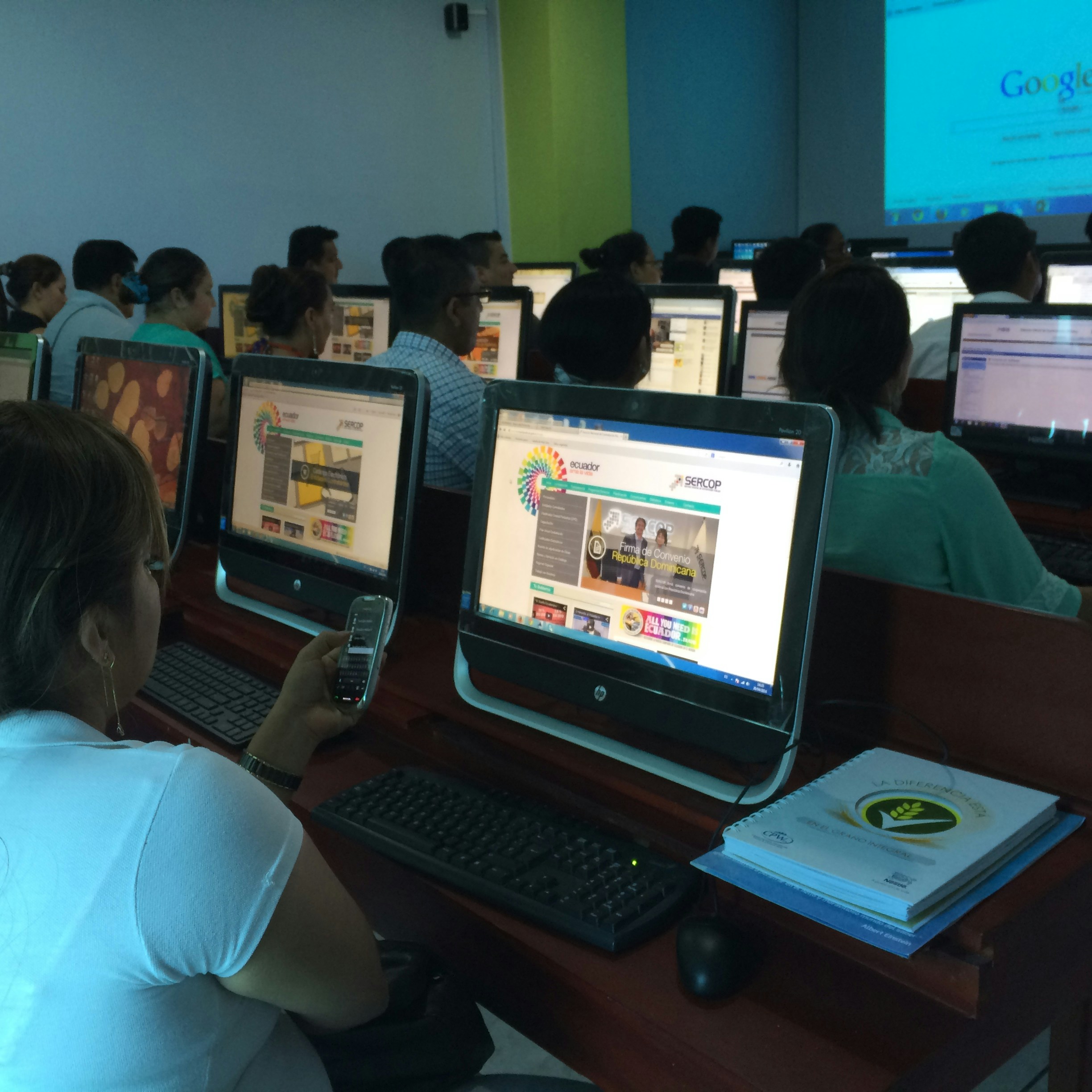
Navigating Online Education: A Guide for Families
Understanding Online Education for Families
Online education has increasingly become a viable option for families seeking alternative modes of learning. Unlike traditional classroom settings, online education provides flexible scheduling, accommodating various family needs and lifestyles. This flexibility allows learners to engage in educational activities at their own pace, which can lead to a more personalized and effective learning experience. As a growing trend, it encourages families considering online education to join a supportive community of learners who share experiences, resources, and strategies for academic success.
One of the significant benefits of online education is the wide variety of learning materials and methodologies available. Families have access to numerous resources, including interactive online platforms, video tutorials, and e-books, fostering a more engaging learning environment. In addition to academic subjects, online courses often offer enrichment opportunities such as extracurricular activities, skills training, and collaborative projects, allowing learners to explore interests beyond the standard curriculum.
However, as families transition from traditional education to online learning, they may face certain challenges. Navigating the enrollment processes typically involves initial consultations, placement assessments, and orientation sessions to ensure smooth transitions. These processes are crucial in understanding how best to utilize the platforms available and to adapt to online learning environments effectively.
Families also receive detailed information about device requirements, internet specifications, and recommended study environments for optimal learning. Recognizing these needs can enhance the overall experience, ensuring families are well-prepared for the unique demands of online education. As the educational landscape evolves, it is evident that online learning offers a contemporary method to meet diverse educational needs, ultimately enriching the learning journey for students and their families.
The Importance of Community in Online Education
In the realm of online education, the significant role of community cannot be understated. For families considering online education, joining a supportive community of learners who share experiences, resources, and strategies for academic success is vital. These community networks, often facilitated through online platforms or forums, provide a space where families and students can connect, exchange knowledge, and foster collaborative learning experiences.
One of the primary benefits of joining such communities is the availability of resource sharing. Families can gain access to a wealth of information, including study materials, online tools, and educational resources that enhance the learning journey. Furthermore, they can collaborate with others to find solutions to common challenges faced during online education, helping to create an inclusive atmosphere that encourages shared learning.
Emotional support is another crucial aspect of these communities. Online education can occasionally lead to feelings of isolation or overwhelm, especially for students and their families who are navigating this learning path for the first time. Community forums provide a platform for members to express their concerns, share their successes, and seek encouragement during challenging times. It is through this shared experience that families feel less alone and more engaged in their educational pursuits.
Furthermore, families receive detailed information about device requirements, internet specifications, and recommended study environments for optimal learning within these communities. This guidance helps ensure a smooth transition into online education, allowing families to focus on the learning process without unnecessary distractions or technical difficulties.
Overall, the benefits of being part of a community are numerous and significant. They create opportunities for collaboration, enhance access to resources, and provide emotional support, enriching the online learning experience for everyone involved.
Engaging with Other Families: Sharing Experiences
In the realm of online education, families considering online education join a supportive community of learners who share experiences, resources, and strategies for academic success. This collective engagement can be deeply rewarding, leading to invaluable insights and encouragement that benefit all participants.
To foster such connections, various platforms serve as communication avenues. Social media groups, forums, and dedicated websites provide the settings for families to interact, exchange knowledge, and seek advice on navigating online curricula. By being part of these communities, families can share their unique journeys, whether through challenges encountered or milestones achieved, thereby enhancing the overall educational experience.
One of the key advantages of connecting with other families lies in sharing experiences. This exchange allows families to learn from one another, as each member brings a different perspective shaped by their individual experiences and educational journeys. For instance, discussions may revolve around effective learning strategies, suitable technological tools, or even tips for creating productive study environments. Such interactions encourage families to evaluate their methods and make informed decisions on their educational approaches.
Furthermore, engaging with peers helps to alleviate common concerns associated with online learning. Families often express apprehensions regarding the effectiveness of online education or the potential for their children to feel isolated. However, as families share their successes and strategies in fostering social interactions through virtual or community-based activities, these conversations can mitigate fears while reinforcing a sense of shared purpose.
As families connect and learn from each other, the overall experience of online education becomes more enriching and supportive. The collaboration and solidarity displayed within these networks can significantly enhance academic outcomes and foster resilience among learners.
Navigating the Enrollment Process
The enrollment process for online education can be a straightforward experience when families consider a structured approach. Initially, families considering online education join a supportive community of learners who share experiences, resources, and strategies for academic success through initial consultations. These consultations serve as an opportunity for educators and administrators to gauge students’ needs, discuss learning goals, and clarify any questions parents or students may have about the online learning environment.
Once initial consultations are completed, the next step often involves placement assessments. These assessments are vital as they help in determining the appropriate grade level and course placement for students. By evaluating the students’ existing knowledge and skills, educational institutions can tailor their offerings to better meet the individual academic needs of each learner. This step ensures that students are placed in courses that will challenge them while also providing the necessary support to foster their educational growth.
Following placement assessments, families typically partake in orientation sessions. These sessions are crucial in acclimatizing students and parents to the online learning platform, curriculum, and available resources. During orientation, families receive detailed information about device requirements, internet specifications, and recommended study environments for optimal learning. These guidelines help families prepare adequately, ensuring students can transition smoothly into online education.
In conclusion, navigating the enrollment process requires careful consideration and engagement from families. By participating in initial consultations, placement assessments, and orientation sessions, families can foster a successful online education experience tailored to their needs and goals.
Device and Internet Requirements for Online Learning
For families considering online education, understanding the necessary device specifications and internet requirements is crucial for a successful learning experience. To facilitate effective online learning, students typically need a reliable computer or tablet. Recommendations for devices suggest that a laptop or desktop with at least an Intel i3 processor, 8GB of RAM, and a dedicated graphics card is optimal for multitasking and running educational software. Tablets can also function efficiently for younger learners, provided they support necessary applications.
Effective online learning not only relies on the device but also on appropriate software. Commonly used platforms include video conferencing tools like Zoom, learning management systems such as Google Classroom, and resources for assignments and collaborative work. Families should ensure that their devices can run these applications smoothly, requiring updated operating systems like Windows 10 or macOS Catalina, as well as the latest version of browser software.
Equally important is the internet connection. Families will benefit from a high-speed internet connection to serve online educational needs adequately. The recommended minimum internet speed for peak performance during classes is around 25 Mbps for downloads and 3 Mbps for uploads. This ensures that families considering online education can join a supportive community of learners without interruptions. It is advised to have a backup internet connection or mobile data available in case of connectivity issues, which could hinder the learning process.
Device requirements and internet specifications ensure that families are well-prepared for optimal online learning, contributing positively to students’ experiences. Providing learners with the right tools helps them engage fully and participate in their educational journey without unnecessary barriers.
Creating an Effective Study Environment at Home
Establishing a conducive study space is essential for families considering online education, as it significantly influences academic success. An effective study environment not only enhances focus and concentration but also promotes a positive attitude towards learning. To begin with, designating a specific area within the home exclusively for study can help students mentally separate academic work from recreational activities. This can be a quiet room or a specific corner that is equipped with the necessary tools and resources for learning.
When organizing this space, it is crucial to minimize distractions. Families should consider limiting access to electronic devices that are not needed for education, such as televisions, game consoles, and social media platforms during study hours. Furthermore, organizing the space to keep only essential items—like textbooks, notebooks, and stationery—can help maintain focus by eliminating clutter. Some families might find it beneficial to introduce noise-canceling headphones or calming music to further enhance concentration during study sessions.
Lighting also plays a significant role in creating an effective study environment. Adequate lighting can reduce eye strain and enhance productivity. Natural light is ideal, so positioning the study area in a well-lit room with windows, if possible, is advantageous. Additionally, families should ensure comfortable seating arrangements to support longer study periods without discomfort.
As families navigate the enrollment processes for online education, they typically engage in initial consultations, placement assessments, and orientation sessions to ensure smooth transitions. During these processes, it is essential that families receive detailed information regarding device requirements, internet specifications, and recommended study environments for optimal learning. This well-prepared setting, along with a supportive community of learners who share experiences, resources, and strategies for academic success, fosters a holistic approach to online learning.
Resources for Enhancing Online Learning
Families considering online education have a wealth of resources at their disposal that can significantly enhance the learning experience. These resources include various tools, websites, and applications that supplement the core curriculum and help develop critical skills. Educational platforms such as Khan Academy, Coursera, and edX offer a variety of free courses that families can incorporate to reinforce their children’s learning across subjects. Additionally, many libraries provide free access to online resources including eBooks, audiobooks, and educational databases.
In addition to academic resources, families are encouraged to utilize community assets, such as local libraries and community centers, which often host workshops or events tailored to online learners. By engaging with these community resources, families considering online education can join a supportive community of learners who share experiences, resources, and strategies for academic success. Specialized technology tools such as Google Classroom or Microsoft Teams can facilitate communication between educators and students, enhancing collaboration and organization.
Furthermore, educational apps designed for various age groups can be a fun way to reinforce learning concepts. Apps like Duolingo for language learning or Prodigy for math offer interactive experiences that make learning enjoyable and effective. Families should also explore online forums and social media groups that focus on homeschooling and online education, as these platforms can provide valuable insights and advice from experienced parents and educators.
Lastly, it is essential for families to prepare for the enrollment processes which typically involve initial consultations, placement assessments, and orientation sessions to ensure smooth transitions into online learning. These sessions often include detailed information about device requirements, internet specifications, and recommended study environments for optimal learning, ensuring that families are equipped for a successful online education journey.
Strategies for Academic Success in Online Education
In the ever-evolving landscape of education, families considering online education join a supportive community of learners who share experiences, resources, and strategies for academic success. To fully embrace this mode of learning, effective strategies are paramount. One of the most crucial elements is time management. Without the traditional structure of a classroom, students must develop the ability to plan their academic schedules, balancing coursework with other responsibilities. Utilizing digital calendars and task management apps can help keep track of deadlines and prioritize assignments.
Goal-setting plays a vital role in sustaining motivation and focus. Families can benefit from setting both short-term and long-term academic goals. For instance, weekly targets for course completion or specific skill acquisition can foster a sense of accomplishment and provide momentum toward achieving larger educational objectives. This approach not only cultivates a routine but also encourages learners to reflect on their progress periodically.
Another essential strategy is maintaining proactive communication with educators and peers. Online education platforms often provide various communication tools such as forums, chat functions, and video conferencing. Families should encourage students to engage actively with their teachers for clarification of concepts and to seek assistance when necessary. Building a network with fellow students can also enhance the learning experience, as sharing ideas and resources promotes collaboration.
Moreover, as families embark on this online educational journey, they will find that the enrollment processes typically involve initial consultations, placement assessments, and orientation sessions to ensure smooth transitions. Understanding these processes can alleviate any anxiety related to the switch to online learning. Additionally, families receive detailed information about device requirements, internet specifications, and recommended study environments for optimal learning, ensuring a supportive backdrop for academic achievement.
Future Perspectives on Online Education
As online education continues to evolve, it is essential for families considering online education to stay informed about emerging trends and innovations that shape the learning environment. One significant trend includes the increasing personalization of learning experiences. Educational institutions are utilizing advanced technologies, such as artificial intelligence and adaptive learning platforms, tailored to individual student needs. This approach enhances engagement and academic success, fostering environments where families join a supportive community of learners who share experiences and strategies.
Another notable innovation is the integration of virtual and augmented reality into curricula. Such technologies create immersive learning experiences, allowing students to explore complex subjects in dynamic ways. Families can benefit from these developments as they offer diverse educational opportunities that can cater to varying interests and learning styles.
The flexibility of online education pathways also continues to expand. With the rise of course offerings from numerous institutions, families now have access to a broader range of subjects, ranging from traditional academics to specialized vocational training. This diversification empowers families to select programs that align with their values and objectives, ensuring that students receive a holistic education. During these enrollment processes, families typically engage in initial consultations, assessment placements, and orientation sessions to enable smooth transitions and optimize their educational journey.
Equipped with knowledge about device requirements, internet specifications, and recommended study environments, families can set themselves up for success. As the online education landscape continues to shift, committing to ongoing learning and embracing adaptability will be crucial. Families must remain vigilant in seeking information, thus ensuring they can navigate changes in this educational format effectively. By doing so, they reinforce the importance of their community connections, facilitating engagement and collaboration as they foster academic success together.
This content has been prepared by the Studentanswers editorial team for educational and informational purposes only. We recommend consulting a qualified professional before making any personal decisions.