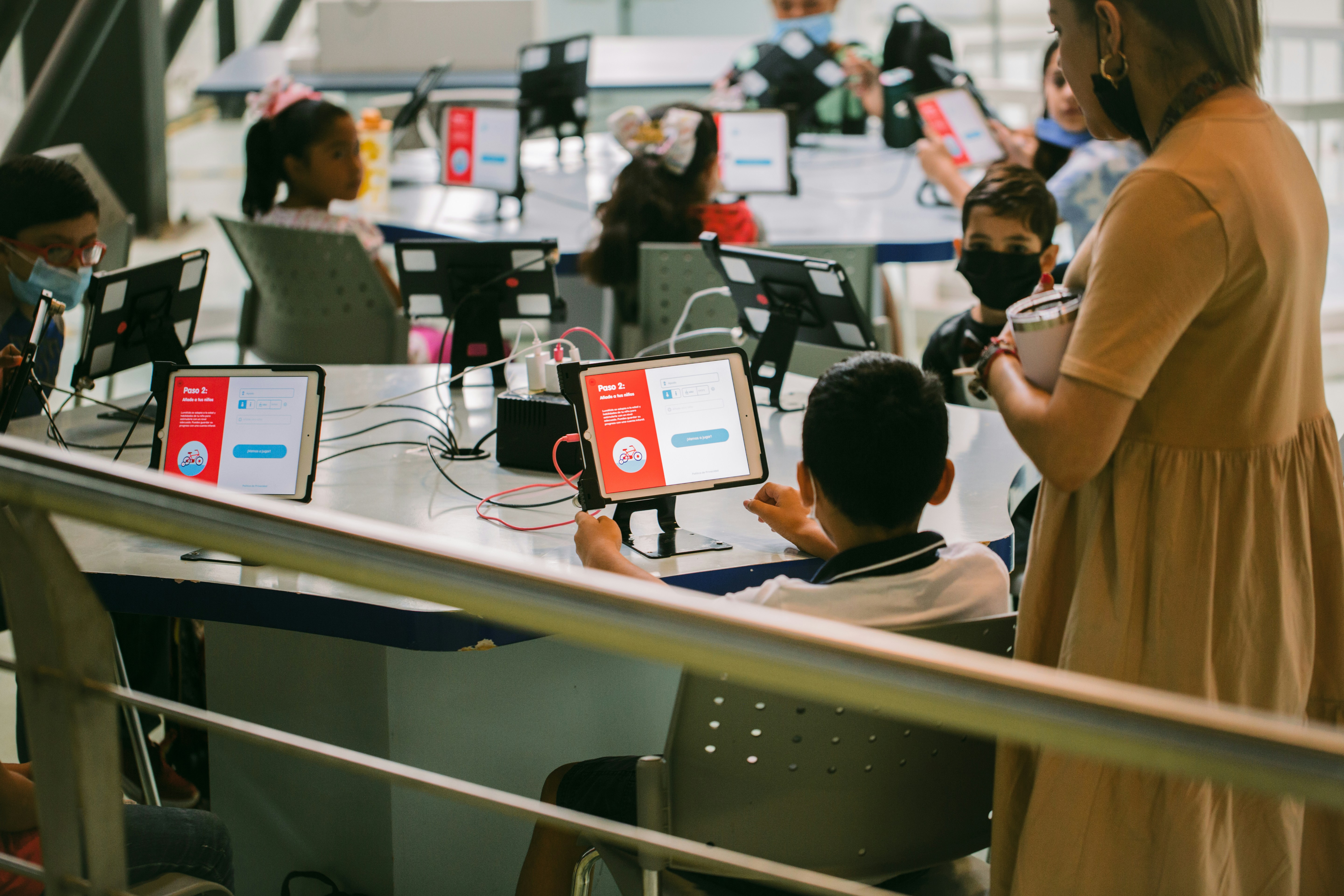
Navigating Online School Programs: A Guide to Digital Education for Elementary Students
Introduction to Online School Programs
Online school programs are rapidly gaining traction as a viable educational alternative for elementary students. These digital education programs offer a structured, interactive environment that leverages technology to facilitate learning. Designed to meet the varied needs of young learners, online school programs provide a comprehensive curriculum covering essential subjects such as mathematics, science, language arts, and social studies, all tailored for a virtual setting.
One of the primary reasons for the soaring popularity of online education for elementary students is the flexibility it affords families. Parents can select programs that best fit their child’s learning pace and style, ultimately fostering a personalized educational experience. Moreover, these programs often include innovative learning tools such as animated lessons, interactive games, and multimedia resources that engage students more effectively than traditional methods.
When families choose to enroll their children in online school programs, they can expect a multitude of benefits. Access to qualified educators via live instruction, frequently complemented by assignments and assessments, ensures consistent knowledge delivery. Furthermore, many programs allow for the integration of extracurricular activities and social interaction opportunities, ensuring that students do not miss out on vital social skills development, which is crucial at this developmental stage.
Additionally, online education has proven to be a resilient option during unforeseen circumstances, such as pandemics or natural disasters, wherein traditional schools may be temporarily unavailable. This adaptability underscores the importance of considering online school programs, particularly in our increasingly digital world. As parents look to facilitate their child’s education, understanding what to expect from these digital platforms is imperative.
Benefits of Online Education for Elementary Students
The rise of digital education programs has transformed the landscape of learning, particularly for elementary students. One of the most significant advantages of online school programs is the opportunity for personalized learning experiences. Each child possesses unique learning styles and paces, and online education can adapt to these individual needs. This tailored approach allows students to grasp concepts at their own speed, ensuring a deeper understanding of the subject matter.
Another notable benefit is the flexibility in scheduling that online education offers. Traditional schooling often adheres to strict timetables, which may not align with every child’s learning rhythm. Online school programs provide the ability to structure the learning day in a way that best suits the student, allowing families to integrate educational activities with daily routines, extracurricular commitments, and other responsibilities.
Moreover, digital education programs offer access to a wide array of resources that may be limited in conventional educational settings. Students can explore interactive learning tools, virtual libraries, and global educational content. This vast array of materials not only enriches the learning experience but also encourages children to engage with subjects that spark their interest, thereby fostering a love for learning.
Furthermore, online programs effectively cater to various learning styles. Visual learners can benefit from engaging videos and infographics, while auditory learners can access podcasts and interactive discussions. Kinesthetic learners, meanwhile, may make use of practical projects tailored to their hands-on learning preferences. This approach facilitates a comprehensive educational experience that traditionally structured schools may struggle to provide.
Understanding Graduation Requirements in Online Education
Graduation requirements for online school programs elementary can vary significantly from traditional education frameworks. Online education providers establish specific criteria that students must meet to graduate, and these often include credits, assessments, and other benchmarks necessary for successful completion. Understanding these requirements is crucial for families considering digital education options.
Typically, online school programs require students to earn a certain number of credits, which are usually similar to those mandated in conventional schooling. Each credit generally equates to a specific quantity of coursework or learning hours. Therefore, families should ensure that the selected online education program aligns with their educational standards and goals.
Assessments play a critical role in gauging student progress in online programs. Many online institutions utilize a combination of quizzes, standardized tests, and project-based evaluations to assess comprehension and skill mastery. It is important for parents and students to familiarize themselves with the assessment frameworks, as they can vary widely from one program to another.
Additionally, benchmarks—milestones set to track progress—are a key component of the online learning experience. These can include completion of modules, participation in interactive sessions, and submission of assignments. Achieving these benchmarks not only indicates readiness for advancement but often serves as a prerequisite for earning credits towards graduation.
In comparing these requirements to those of traditional schooling, families may find that online education offers more flexibility in pacing and learning styles. However, it necessitates a disciplined approach from students to meet set targets. With comprehensive information on graduation requirements and the integrity of assessments, families can better make informed decisions about enrolling in online school programs for their elementary-aged children.
Choosing the Right Online School Program
As families embark on the journey of selecting the appropriate online school programs elementary for their children, it is crucial to evaluate several key factors to ensure a rewarding educational experience. The choice of online school is pivotal, as it shapes the learning outcomes and overall satisfaction of both students and parents.
One of the primary considerations should be the curriculum quality. A reputable online school program must provide a comprehensive curriculum that aligns with state educational standards and the individual learning needs of elementary students. It is beneficial for parents to review the subjects offered, the depth of content, and the methods implemented to foster engagement and development of critical thinking skills.
Teacher credentials play a significant role in the effectiveness of online education. Families should ensure that educators are not only certified but also experienced in online teaching methodologies. Trained teachers can offer a supportive learning environment and adapt lessons according to the varying competencies of students. Communication is another essential aspect; therefore, checking if teachers are accessible for queries can greatly enhance the learning experience.
The usability of the chosen platform is another critical factor. An intuitive and user-friendly interface can help young learners navigate their studies with ease. Look for online school programs that offer interactive elements and engaging content, as these can motivate students and aid retention.
Finally, evaluating reviews and testimonials from other families can provide valuable insights into their experiences with the online school programs. Feedback regarding the overall satisfaction, academic performance, and support services is vital for making an informed decision. By conducting thorough research and considering these factors, families can create a solid foundation for their children’s educational journey through digital programs.
Curriculum Overview of Online School Programs
Online school programs for elementary students are designed to offer a comprehensive curriculum that aligns with educational standards while embracing the flexibility of digital learning. The core subjects typically included in these programs are mathematics, language arts, science, and social studies. They are structured to facilitate the development of critical thinking and problem-solving skills, essential for young learners. Educators often employ interactive tools and multimedia resources to make these subjects engaging and accessible for students.
In addition to the core subjects, online school programs often provide supplementary options that enhance the educational experience. These can include art, music, physical education, and even elective courses in areas like technology or foreign languages. Such offerings aim to foster a well-rounded education that caters to diverse interests and encourages creativity and self-expression. For instance, art programs may incorporate platforms for digital art creation, while physical education can include virtual fitness classes tailored for young learners.
Furthermore, many online programs are designed to accommodate various learning styles, utilizing a mixture of synchronous and asynchronous teaching methods. Students can engage in live discussions or access recorded lessons at their convenience, ensuring a tailored learning experience that meets individual needs. By covering a broad array of subjects and skills, online school programs for elementary students not only meet academic requirements but also nurture personal growth and adaptability in an increasingly digital society.
This flexibility is particularly important for families who are exploring digital education programs, as it allows them to find the right fit for their child’s unique learning style and pace. Choosing an online curriculum with a well-rounded approach is key to ensuring that students emerge equipped with the knowledge and skills necessary for success in future educational endeavors.
Parental Involvement in Online Learning
Parental involvement is a crucial component of online school programs, particularly for elementary students who may require more guidance and support during their educational journey. Engaging actively in your child’s online education can significantly enhance their learning experience and overall academic performance. One practical strategy is to establish a structured routine that aligns with the schedule of online school programs elementary. Consistency in timing helps children understand the importance of education while fostering a productive learning environment.
Creating a dedicated learning space is another effective method for parents to support their child’s online education. This area should be free from distractions and equipped with all necessary materials, such as computers, books, and other learning resources. A well-organized and comfortable space encourages focus and promotes a positive attitude towards learning. Additionally, parents should take an active role in curating educational content that aligns with the curriculum, allowing their children to explore various subjects and discover their interests.
Communication with teachers also plays a fundamental role in the online education process. Regular contact can provide parents with insight into their child’s progress, enabling them to identify areas needing attention or support. Most online school programs offer parent-teacher meetings and progress reports, which can help families stay informed about graduation requirements and educational milestones. Furthermore, parents should encourage their children to communicate openly with their instructors, promoting self-advocacy and accountability in their learning pursuits.
In summary, parental involvement is vital in fostering a successful online education experience for elementary students. By establishing routines, creating conducive learning environments, and maintaining open lines of communication with teachers, families can effectively support their children’s academic growth within online school programs.
Challenges and Solutions in Online Education
Online education has gained significant traction, especially for elementary students, as families increasingly explore online school programs elementary. However, parents and students often face several challenges that can hinder the overall learning experience. One of the most prominent issues is motivation. Students may find it difficult to remain engaged in an online environment where distractions are abundant, affecting their ability to focus on lessons and assignments.
Another challenge frequently encountered is technical difficulties. Inconsistent internet access, software glitches, or unfamiliarity with digital tools can impede the learning process. These disruptions not only affect students’ ability to participate in lessons but may also lead to frustration and decreased confidence in digital education programs.
Fortunately, there are effective strategies to overcome these challenges. To combat motivation issues, families can establish a structured daily routine that mimics a traditional school day. Setting specific times for lessons, breaks, and recreational activities can create a balanced schedule. Moreover, incorporating interactive learning tools and gamified educational resources can enhance engagement and make learning enjoyable.
Technical difficulties can be alleviated by conducting regular checks on equipment and internet connectivity. Schools offering online programs often provide support services; families should take advantage of these resources. Ensuring that all software is updated and that students are familiar with the tools they need for learning can also mitigate disruptions.
Additionally, parent involvement plays a crucial role. Encouraging parents to monitor their child’s progress and offer support can foster a positive learning environment. By fostering effective communication between teachers and families, students in online education settings can receive the guidance they need to succeed.
Social Interaction and Extracurricular Activities
One of the pivotal aspects of online school programs for elementary students is the provision of social interaction and extracurricular activities. While digital education programs offer a flexible learning environment, they can sometimes lack the face-to-face interactions common in traditional school settings. Therefore, it is essential for families engaged in online school programs to actively seek out opportunities for their children to connect with peers and participate in various activities.
To foster social interaction, online programs are incorporating forums, virtual group projects, and live classes where students can collaborate and communicate. These platforms allow young learners to interact not only with their teachers but also with their classmates, thereby enhancing their social skills and networking capabilities. Additionally, organizing virtual field trips or group challenges can help students build camaraderie and relationships promptly. Such initiatives not only add an element of fun but also ensure that the children do not feel isolated during their online schooling experience.
Furthermore, extracurricular activities play a vital role in a child’s educational journey. Families should look for community centers or local organizations that offer programs ranging from arts and crafts to sports teams to science clubs. Many online school programs have established partnerships with local groups that provide extracurricular opportunities specifically designed for students in digital education scenarios. After-school programs can bridge the gap between learning and socialization, allowing students to engage in interests outside their academic curriculum.
By prioritizing social interaction and extracurricular engagement, families can optimize their children’s learning experience within online school programs. Keeping in mind the importance of these elements will enable students to foster friendships, develop new skills, and enjoy a well-rounded educational experience, even in a virtual context.
The Future of Online Education for Elementary Students
As technology continues to advance, the landscape of online school programs elementary is evolving rapidly. These changes are shaping the future of education for young learners in unprecedented ways. Emerging trends indicate a growing reliance on digital platforms that offer not only traditional curricular subjects but also increasingly personalized learning experiences. This evolution aligns with a broader shift towards a more tailored approach to education, where students can progress at their own pace.
One notable advancement in this realm is the integration of artificial intelligence and data analytics into online school programs. These technologies facilitate adaptive learning paths, enabling educators to customize content that fits each student’s unique needs. This personalized approach helps in addressing diverse learning styles and challenges, thereby optimizing educational outcomes. Furthermore, the use of gamification in educational software engages elementary students, making learning not only informative but also enjoyable. As a result, retention rates and student engagement levels see a steady increase.
Moreover, as families learn about digital education programs, they are becoming more discerning about the quality and effectiveness of online offerings. This scrutiny encourages providers to adhere to higher standards, ensuring that graduation requirements are met and educational goals fulfilled. Schools must demonstrate efficacy through research-backed insights, showcasing how their programs help students achieve and progress. The push for quality in online education leads to a more competitive marketplace, driving innovation and better service delivery.
Overall, the future of online education for elementary students looks promising. With continuous developments in technology and a growing emphasis on individualized learning experiences, parents and students can expect a dynamic educational environment that fosters growth and success. As this field progresses, it will play an integral role in shaping how young learners engage with knowledge and skills for years to come.
This content has been prepared by the Studentanswers editorial team for educational and informational purposes only. We recommend consulting a qualified professional before making any personal decisions.