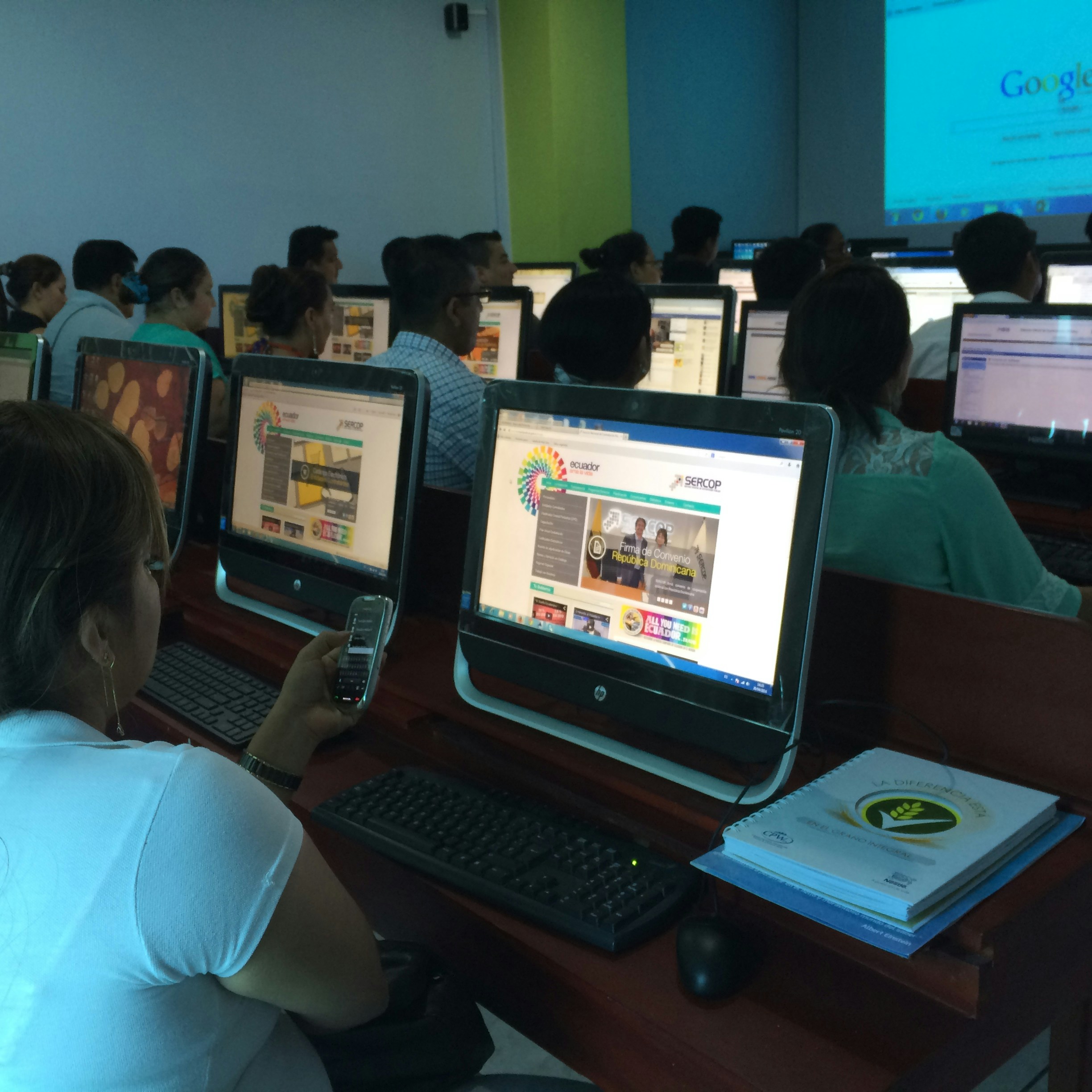
Navigating Online Schools and Programs: Expert Tips for E-Learning Opportunities
Introduction to Online Education
The concept of online education has gained significant traction in recent years, particularly catalyzed by the global pandemic. Traditional classroom settings have undergone a substantial transformation as educational institutions pivot towards virtual learning frameworks. As a result, many students, educators, and parents have sought to compare online schools and programs to understand the best options available.
Online education allows for flexible scheduling, catering to diverse learners who may have different commitments or learning styles. The shift from in-person education to e-learning highlights the adaptability of educational institutions. Many students benefit from combining their studies with work, family responsibilities, or other engagements, thanks to the accessibility that online programs offer.
During this transition, schools and universities have developed increasingly sophisticated online platforms that enhance the learning experience. These platforms offer interactive materials, video lectures, and forums for discussion, creating an engaging environment that replicates the nuances of a physical classroom. Furthermore, online education extends beyond just academic courses; it encompasses vocational training, professional development, and lifelong learning opportunities. As educational paradigms continue to evolve, institutions are striving to meet the needs of all learners by improving curriculum delivery, technological integration, and support systems.
In addition to personalized schedules, online education provides an array of resources designed to address common concerns. From addressing technical difficulties to offering guidance on managing study time, schools are dedicating efforts towards enhancing the online learner’s experience. For those considering their educational paths, it is beneficial to get expert tips on e-learning opportunities to ensure informed choices. Our blog aims to serve as a knowledge base, helping prospective students navigate the various options available in online education.
The Benefits of Online Schooling
Online schooling presents a multitude of advantages that cater to the diverse needs of learners. One of the most significant benefits is the flexibility it offers. Students can design their own schedules according to their personal commitments, allowing them to manage education alongside work, family, or other responsibilities. This adaptability makes online education particularly appealing to adult learners or those with irregular hours.
Additionally, the accessibility of online programs broadens educational opportunities significantly. Individuals who reside in remote areas or who have physical disabilities may find traditional schooling to be challenging or even impossible. Online education eliminates geographical barriers, enabling students to enroll in programs from institutions around the world without the need for relocation. This ensures that quality education is within reach for a broader audience.
Another notable advantage is the ability to learn at one’s own pace. Students can revisit lectures, access resources as needed, and spend additional time on challenging subjects without the pressure of keeping up with peers in a classroom setting. This self-paced learning approach can lead to a deeper understanding of the material and empower students to take control of their educational journey.
Furthermore, online schooling often incorporates diverse technological tools that enhance learning. For example, interactive elements such as discussion boards, webinars, and virtual simulations can provide engaging ways to comprehend complex topics. Students can also collaborate with peers across different locations, enriching the learning experience through varied perspectives.
Cost-effectiveness is another significant factor, as online programs may reduce expenses associated with commuting and classroom materials. By comparing online schools and programs, prospective students can identify options that align with their financial capabilities while still meeting their educational goals. Overall, the flexibility, accessibility, self-paced learning, technological resources, and cost benefits denote that online schooling is an effective alternative to traditional education methods.
Types of Online Programs Available
Online education has grown significantly, providing a diverse range of programs designed to meet the needs of different students. Individuals aiming to enhance their qualifications or learn new skills can now explore various online formats tailored to their specific objectives. Among these, full degree programs, certification courses, and individual classes are the most common offerings.
Full degree programs often mirror traditional education structures, offering associates, bachelor’s, master’s, and even doctoral degrees in various fields. These programs allow students to earn their qualifications completely online, providing flexibility and accessibility to those juggling work or family commitments. When you compare online schools and programs, the breadth of degree options can be striking, with disciplines ranging from business to healthcare, technology, and the arts.
Certification courses present another valuable option for those interested in gaining specific skills or knowledge without the commitment of a full degree. These short-term programs tend to focus on particular skill sets or professional certifications, such as project management, coding, or graphic design. This route is ideal for individuals seeking immediate upskilling or workforce re-entry, paving the way for new career opportunities.
Furthermore, individual classes provide a less formal approach to education. Students may opt to take one or more classes in subjects of particular interest or relevance to their career growth. This flexibility allows for personal enrichment, specialization, or exploration of new fields altogether. Many institutions also offer non-degree pathways, which can provide an affordable and efficient means of expanding one’s knowledge base.
In summary, the variety of online programs available is extensive, catering to a broad audience. With options that range from comprehensive degree programs to focused certification courses and individual classes, students have the resources to find the right e-learning opportunities that meet their needs. Get expert tips on e-learning opportunities by exploring these options thoroughly to make an informed decision about your online educational journey.
Understanding Scheduling Options
When you decide to compare online schools and programs, one of the most critical aspects to consider is the scheduling options they offer. These options significantly affect your ability to manage your studies alongside other commitments, such as work and family. Broadly, online courses can be characterized into two categories: synchronous and asynchronous.
Synchronous classes are real-time classes where students attend lectures or discussions at set times. This format is similar to traditional classroom learning but conducted online. It can enhance engagement, providing immediate interaction with instructors and peers. However, it also requires students to be online at specific times, which may not suit everyone, especially those balancing jobs or care responsibilities.
Alternatively, asynchronous classes allow students to access course materials, lectures, and assignments on their schedule within a defined timeframe. This flexibility can be beneficial if you wish to learn at your own pace, fitting study times around your existing commitments. Many students find this format more suitable as it permits balancing education with work or family responsibilities.
It is also important to evaluate how online schools facilitate interaction between students and instructors in asynchronous settings. In such cases, effective communication methods, like discussion forums and recorded lectures, become vital for educational engagement. Additionally, with the rise of e-learning opportunities, many institutions now offer hybrid models that combine both synchronous and asynchronous elements, giving students even more flexibility.
In conclusion, understanding the differences between synchronous and asynchronous classes and their impact on student learning can significantly influence your choice when you compare online schools and programs. This knowledge, combined with expert tips on e-learning opportunities, will empower you to make an informed decision and enhance your educational experience.
Common Concerns About Online Learning
Online learning has gained significant traction in recent years, yet it remains a source of concern for many prospective students. One of the predominant worries is the perceived lack of social interaction in an online learning environment. Traditional classroom settings facilitate spontaneous interactions, fostering friendships and collaborative learning. However, many online schools and programs address this concern through virtual classrooms, discussion forums, and collaborative projects, enabling students to engage with peers and instructors despite physical distance.
Another major apprehension that frequently arises is the need for self-discipline and motivation. Without the structure of a formal classroom, some learners may find it challenging to stay focused and keep up with their coursework. To navigate this, it is advisable for students to establish a regular study schedule, set specific goals, and utilize time management tools. Research shows that students who implement these strategies often thrive in online settings, successfully balancing their coursework and personal commitments.
Finally, the credibility of online programs is a legitimate concern for many learners. The proliferation of unaccredited institutions can lead to skepticism about the quality of education offered online. Nonetheless, potential students can compare online schools and programs to ensure they are enrolling in accredited institutions that provide recognized qualifications. Resources are available to help prospective learners investigate accreditation status, faculty qualifications, and graduate outcomes. Moreover, seeking reviews and testimonials from current or former students can further elucidate the quality of a program.
By addressing these common concerns, individuals can feel more confident as they explore e-learning opportunities. It is essential to gather information and take proactive steps, as this will make the transition to online education smoother and more rewarding.
Strategies for Success in Online Learning
Online learning presents unique challenges and opportunities that require students to adapt their study habits and strategies. To truly thrive in this digital learning environment, there are several practical strategies that can facilitate success.
First and foremost, effective time management is crucial. Without the structure provided by traditional classroom settings, students must be disciplined in allocating their time. One effective approach is to create a detailed timetable that outlines when to study for each subject, complete assignments, and revise course materials. By breaking down tasks into manageable intervals, students can stay organized and avoid last-minute stress.
Creating an effective study environment is another key strategy for online learners. A designated, clutter-free workspace equipped with necessary materials can significantly enhance focus and productivity. Students should choose a location that minimizes distractions, such as noise or interruptions from family members. Additionally, ensuring comfortable seating and proper lighting can aid concentration during study sessions.
Setting specific goals also plays an essential role in successful online learning. Goals provide direction and motivation, helping students to track their progress throughout their courses. It’s beneficial to establish both short-term goals, such as completing weekly assignments, and long-term objectives, like achieving a particular grade in the overall course. Regularly revisiting and adjusting these goals can keep students aligned with their aspirations.
Lastly, students are encouraged to compare online schools and programs before committing to a course. This research can inform them about different e-learning opportunities, ultimately leading to a better fit for their individual learning styles and needs. Our blog offers knowledge base explaining scheduling options, answering frequent concerns for those looking to enhance their online learning experience.
Technology Requirements and Recommendations
Engaging effectively in online programs necessitates a reliable and efficient technological framework. To successfully participate in these virtual learning environments, certain devices and software are essential. Primarily, a computer or a tablet with a stable internet connection is crucial. While smartphones can be used for some educational applications, they may not provide the optimal experience for more complex tasks.
In terms of specifications, a device equipped with a minimum of 8GB RAM is advisable to handle multitasking and heavy applications. Sufficient storage space, approximately 256GB or more, is essential to accommodate educational materials and software. Furthermore, it’s beneficial to utilize a device with a good quality microphone and camera to facilitate participation in video conferencing, a common feature in online programs.
When considering software, several applications can enhance the e-learning experience. For document creation and collaboration, platforms such as Google Workspace or Microsoft 365 are invaluable. To maintain organization and deadlines, project management tools like Trello or Asana may prove helpful. Regarding communication, tools like Zoom for meetings and Slack for team interactions can significantly streamline collaboration.
Moreover, learners should consider additional tools that support accessibility and organization, such as note-taking applications like Evernote or Notion. These can assist in compiling and managing study materials effectively. It’s pertinent to ensure that your chosen software is compatible with the device you utilize, reinforcing the need to compare online schools and programs based on their technological necessities.
To navigate the array of options successfully and choose the right combination of technology for your learning journey, it’s advisable to get expert tips on e-learning opportunities that focus on the tools best suited to different learning styles. This careful consideration will ultimately enhance one’s overall educational experience in the expansive world of online learning.
Finding the Right Online School or Program
When seeking to compare online schools and programs, it is essential to conduct thorough research in order to make an informed decision. The first aspect to evaluate is accreditation, as this assures you that the institution meets certain standards of quality and is recognized by employers and educational entities. Accreditation may come from regional or national bodies, and it’s advisable to choose schools that carry legitimate credentials.
Next, consider the quality of the curriculum being offered. Investigate the courses available to see if they align with your educational goals and career aspirations. A well-structured program should offer a comprehensive curriculum that is both rigorous and relevant to current industry trends. Look for programs that regularly update their courses in response to advancements in the field.
Faculty qualifications play a crucial role in your online educational experience. Research the instructors’ backgrounds, including their academic credentials, professional experience, and teaching styles. Faculty who possess real-world experience can provide valuable insights that enhance your understanding of the subject matter.
Additionally, student reviews and testimonials can offer a glimpse into the experiences of others who have attended the online school or program you are considering. Look for both positive feedback and critiques to gather a balanced view. Online forums or educational review websites can be excellent resources for this purpose.
In conclusion, understanding these key factors—accreditation, curriculum quality, faculty qualifications, and student feedback—will empower you to compare online schools and programs effectively. Taking these considerations into account will help you select an online program that meets your educational needs and sets you up for success in your future endeavors.
Conclusion and Future of Online Education
As we draw this discussion to a close, it is important to reflect on the rapid evolution available through online education. As both students and educators increasingly prioritize flexibility and accessibility, the emphasis on the ability to compare online schools and programs becomes essential. This analysis allows prospective learners to select the most suitable e-learning opportunities tailored to their individual needs.
This blog has highlighted numerous facets of the online learning environment, including the importance of varying scheduling options to accommodate diverse lifestyles. Addressing frequent concerns regarding online schooling, such as accreditation and student engagement, offers reassurance to those considering such pathways. Additionally, as we venture further into the digital age, it is critical to stay abreast of emerging trends and technologies that promise to redefine e-learning. For example, advancements in artificial intelligence and augmented reality are beginning to transform the way educational content is delivered, enhancing interactivity and real-world applications.
The future of online education looks promising, with continued innovations improving the learning experience. As online schooling becomes increasingly mainstream, the need for adaptability in both students and institutions alike will grow. It is advisable for students to remain constantly informed about the evolving landscape of education, ensuring they can effectively compare online schools and programs and seize the most relevant e-learning opportunities. Staying engaged in current developments will better equip learners to navigate their educational journeys and thrive in a competitive environment.
This content has been prepared by the Studentanswers editorial team for educational and informational purposes only. We recommend consulting a qualified professional before making any personal decisions.