
My First Week as an Intern: Navigating the Realities of a Corporate Job
Starting a new journey, whether it’s diving into a pool or stepping into a new job, is a stimulating experience. The blend of excitement, new surroundings, and the inherent uncertainty of a new chapter keeps you sharp and attentive. There’s a certain thrill in that initial plunge. However, when I began my internship at a major financial services company, the experience wasn’t the high-octane dive I had anticipated. Instead, my first week was a lesson in patience, observation, and understanding the unique rhythm of the corporate world.
Contrary to my expectations of being thrown into the deep end, the job began with a slow, deliberate pace. In those first few days, I found myself wondering what my role would truly entail. This is the story of that first week—a surprisingly gentle introduction to professional life.
The Orientation Day: A Gentle Start to Corporate Life
My first day began with a drive to the corporate campus for a morning orientation session. After the initial check-in process, which included getting a photo taken for my official ID badge, I joined the other new interns in a large conference room. The atmosphere was a mix of nervous energy and professional ambition. The orientation itself was a structured introduction to the company. It started with a welcoming speech from a senior leader, followed by essential briefings on physical security protocols and information security—a top priority in the financial industry. We learned about company policies, our responsibilities in protecting sensitive data, and finally, received a tutorial on how to log into our new computer systems.
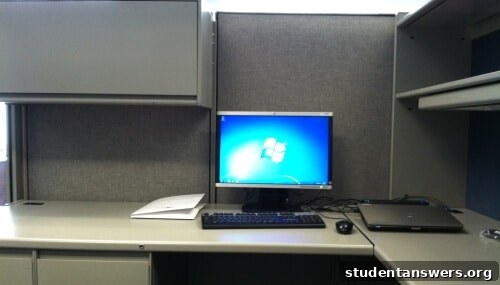
After the general session concluded, we were introduced to our individual team leaders who would guide us to our respective departments. My leader, Chris, turned out to be a knowledgeable and engaging network professional who also runs a jiu-jitsu school in his spare time. After a welcome lunch, he led me to my new home for the summer: my very own cubicle.
Settling In: From a Gray Cubicle to a Personal Workspace
In the whirlwind of applying for internships, acing interviews, and celebrating the job offer, it’s easy to romanticize what working for a large corporation will be like. The reality, however, often involves a standard-issue gray cubicle. It was certainly no Google campus, but it was a space to make my own.
I quickly realized that a sterile environment wasn’t for me. A little personalization can go a long way in making a workspace feel more inviting and productive. I treated the gray fabric walls as a blank canvas for self-expression.
Adding posters, pictures, and other personal items transformed the space. I noticed that I wasn’t alone; many of my colleagues had also customized their desks to reflect their personalities. It’s a small but significant part of the office culture. One particularly amusing piece of cubicle art I encountered offered a humorous take on productivity:
A herd of buffalo can move only as fast as the slowest buffalo. When the herd is hunted, it is the slowest and weakest ones at the back that are killed first. This natural selection is good for the herd as a whole, because the general speed and health of the whole group keeps improving by the regular killing of the weakest members.
In much the same way the human brain can only operate as fast as the slowest brain cells. Excessive intake of alcohol, we all know, kills brain cells, but naturally it attacks the slowest and weakest brain cells first. In this way regular consumption of beer eliminates the weaker brain cells, making the brain a faster and more efficient machine. That’s why you always feel smarter after a few beers.
This kind of humor and personality made the corporate environment feel much more human and approachable.
The Surprising Reality of a Slow Start
My biggest surprise during the first week was the pace of work. Or rather, the lack of it. Having come from fast-paced part-time jobs and the constant demands of college coursework, I was conditioned to hit the ground running. My previous summer job as a university orientation assistant involved an intense, semester-long training program that culminated in a non-stop, high-energy work schedule. I expected this internship to be similar: a quick training session followed by a deluge of tasks.
That was not the case. For the first few days, I had a significant amount of downtime. I spent some time reading through documentation and was eventually given access to a system to familiarize myself with the interface. But there were no urgent projects or a long list of duties waiting for me. This initial lull was a genuine culture shock.
After speaking with a few colleagues, I learned that this is a common experience in many large organizations. Integrating a new employee or intern is a process. Your managers and coworkers have their own ongoing projects and responsibilities; they can’t simply drop everything to onboard you. It takes time to get system access, assign appropriate tasks, and bring someone new up to speed. This was a crucial lesson: a corporate job isn’t always about constant, frantic activity. There’s a process and a rhythm that you have to adapt to.
Making the Most of Downtime and Building Connections
Instead of feeling idle, I decided to use the slow period proactively. I realized my team was incredibly friendly and inclusive, creating a great work environment. They were a fantastic group of people, and I made it a point to build a good rapport with them from the start. A simple but effective way to do this? Bringing in homemade cookies. It’s a small gesture, but it’s a great icebreaker and shows appreciation for the team that’s welcoming you.
Beyond baked goods, I learned the importance of breaking up the sedentary nature of desk work. I started riding my bike on the 13-mile commute to and from the office, which was a fantastic way to energize myself for the day. During breaks, I explored the extensive skywalk system connecting the downtown buildings, which provided a great opportunity for some light exercise and a change of scenery.
Professionally, I used the downtime to observe, listen, and learn. I familiarized myself with the team’s workflow, read any available training materials, and prepared myself for when the work would eventually ramp up. This proactive approach ensures you’re ready to contribute meaningfully when the time comes.
The Turning Point: When the Real Work Begins
By Thursday, things started to change. The pace began to pick up as I was walked through some of the core procedures and tasks I would be responsible for. While I wasn’t busy every minute of the day, I was finally able to dig into substantive work and apply what I was learning. This shift was incredibly rewarding. It felt great to start contributing, however small, to the team’s goals. The initial period of observation and learning had laid the foundation, and now I was ready to build on it. The week ended on a high note, with a clear sense that the following week would be even more productive and engaging.
Key Takeaways for Your Internship’s First Week
Reflecting on my initial experience, a few key lessons stand out. For anyone starting a new internship or corporate job, these takeaways might help you navigate your own first week:
- Embrace the Slower Pace: Don’t be alarmed if your first few days are slow. It’s often a normal part of the onboarding process in a large company. Use this time to observe, learn, and absorb the company culture.
- Be Proactive with Your Time: Downtime doesn’t have to be idle time. Read company documentation, explore internal software, or ask a coworker if you can shadow them for an hour. Show your eagerness to learn.
- Personalize Your Workspace: Making your desk or cubicle your own can significantly improve your mindset and comfort. It helps you feel more settled and signals that you’re there to stay.
- Build Relationships with Your Colleagues: Your team is your most valuable resource. Be friendly, ask thoughtful questions, and show your appreciation. Small gestures, like bringing in treats, can go a long way in building strong professional relationships.
- Manage Your Expectations: You won’t be asked to lead a major project on your first day. The initial phase is about integration and learning. Be patient with yourself and the process. The meaningful work will come.
My first week was a journey of adjusting expectations and discovering the rhythm of corporate life. It was a valuable reminder that every new beginning has its own unique pace. To see how my internship evolved, you can follow my journey in Part 2.