Introduction to Technological Transformation in the Workplace
The advancement of technology is fundamentally altering workplace dynamics across a myriad of industries. The rapid integration of automation, digital tools, and artificial intelligence has resulted in a significant transformation of traditional work environments. As organizations adopt these technologies, they are not only streamlining processes but also redefining job roles and employee expectations in the modern marketplace. This pervasive use of technology reshapes job roles and workplace expectations, necessitating new skill sets and competencies among the workforce.
Automation, in particular, has proven to be a catalyst for change, leading to the emergence of new types of careers that did not exist a decade ago. As tasks become increasingly automated, many jobs are being transformed, requiring employees to adapt to new languages and tools of technology. For instance, roles in coding, data analysis, and digital marketing have surged in relevance and demand, even as traditional positions evolve or diminish. Consequently, technology is not rendering jobs obsolete but rather creating new opportunities for innovation and specialization.
As technology continues to make inroads into everyday work practices, adaptability becomes the key skill for future workers. Professionals must cultivate an agile mindset, embracing continuous learning and flexibility to thrive in an environment of constant flux. Organizations, for their part, also need to foster a culture that encourages this adaptability by offering training and development opportunities that equip employees with the necessary skills to meet the evolving workplace expectations shaped by technological advances. Therefore, understanding how technology reshapes job roles and the adaptations required at both individual and organizational levels is critical for navigating the future landscape of work.
The Rise of Automation and Its Impact on Job Roles
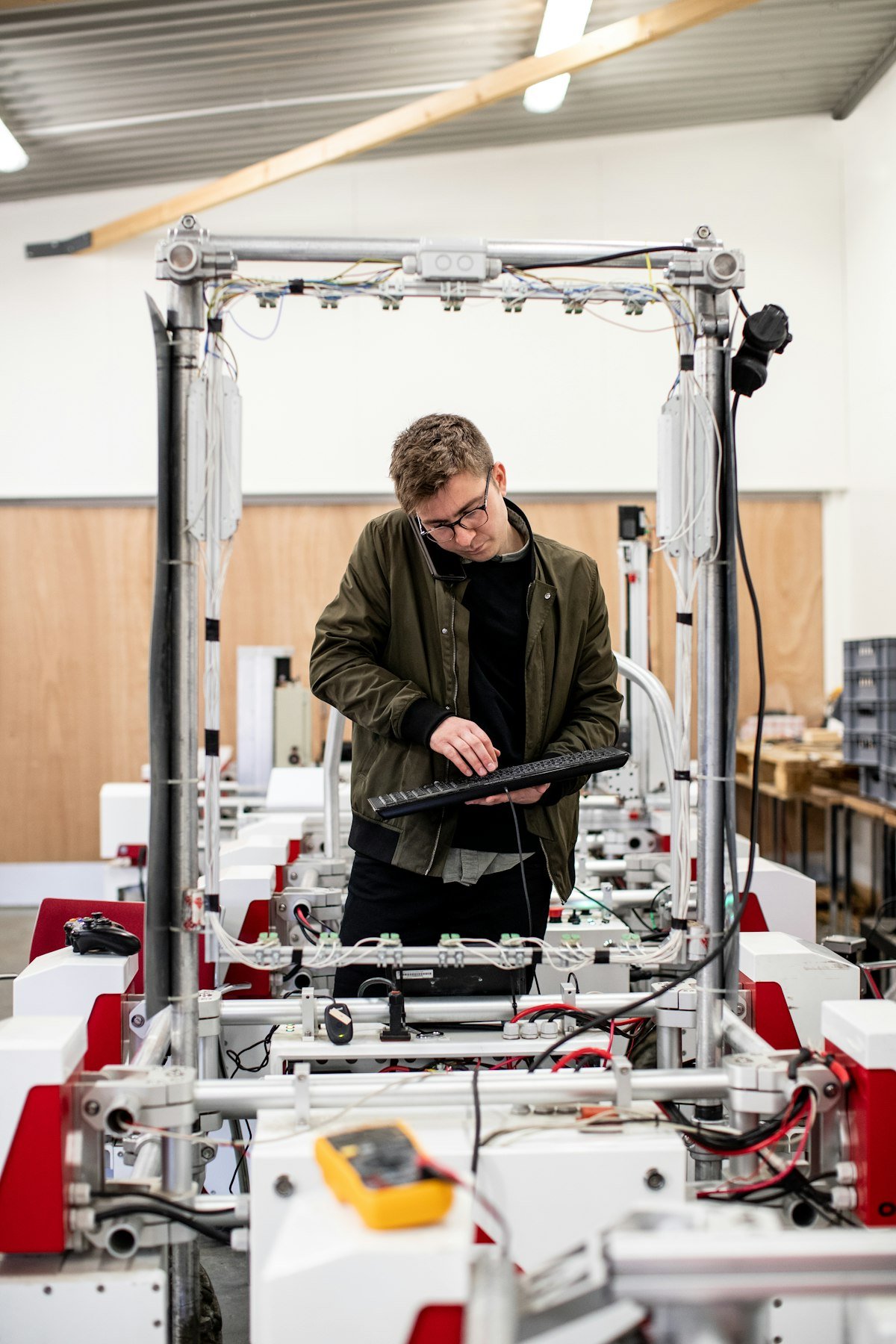
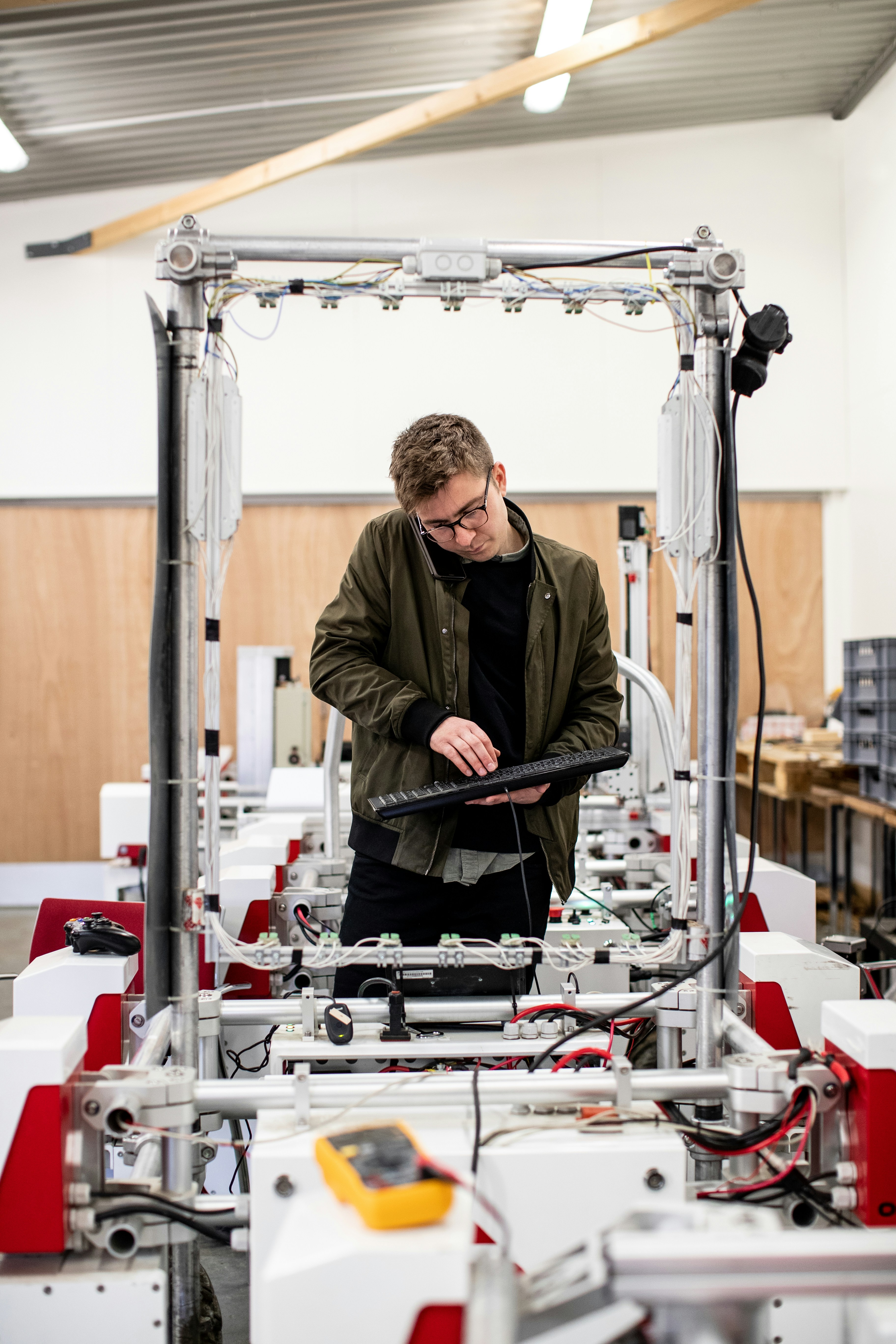
The advent of automation has brought significant changes to several industries, leading to a transformation in job roles and workplace expectations. As technology reshapes job roles, tasks that were once performed solely by humans are increasingly being executed by machines. For instance, in manufacturing, sequential tasks like assembly line work are now predominantly carried out by robots. This shift not only enhances efficiency but also underscores the shift in job descriptions that many workers must adapt to. Rather than focusing solely on routine tasks, the human workforce is required to engage in more complex roles that emphasize oversight, management, and the understanding of automated systems.
However, the conversation surrounding automation is often clouded by misconceptions. Many individuals fear that advancements in automation create an environment where job loss is inevitable. On the contrary, evidence suggests that automation creates new types of careers. As traditional job roles evolve, there is a rising demand for skills in areas such as data analysis, machine learning, and robotics maintenance. These emerging professions require workers to possess a distinct skill set, effectively highlighting adaptability as a key competency for future workers. Workers who can embrace change and develop new skills will find themselves better positioned to thrive in an increasingly automated landscape.
Moreover, it is important to recognize that while some job functions may become obsolete due to automation, it also leads to an increase in productivity and innovation within organizations. Companies can allocate human resources to more strategic initiatives, enabling them to focus on areas such as customer engagement and product development, ultimately enhancing their competitive edge. As technology reshapes job roles and workplace expectations, a dynamic landscape emerges where adaptability and a willingness to learn new skills will be paramount for success in the workforce of the future.
Emergence of New Job Roles and Career Paths
The rapid advancement of technology is fundamentally transforming job roles and workplace expectations across various industries. One significant outcome of this transformation is the emergence of new types of careers that did not exist a decade ago. As industries adapt to technological changes, roles such as artificial intelligence specialists, data analysts, and remote collaboration experts have surfaced, representing a shift in workforce needs. These positions require a unique skill set, highlighting the importance of adaptability in the modern job market.
Artificial intelligence specialists, for example, play a crucial role in developing, implementing, and maintaining AI technologies. To thrive in this career, one must possess a strong foundation in computer science, programming languages, and machine learning principles. This specialized knowledge is crucial as businesses increasingly rely on AI for efficiency and innovation.
Similarly, data analysts are becoming indispensable as organizations gather vast amounts of data through technology. These professionals are tasked with interpreting this data to guide decision-making and strategy. Skills in statistical analysis, data visualization, and proficiency with analytical tools are essential for success in this rapidly growing field. As companies realize that data-driven insights can lead to a competitive advantage, the demand for such roles continues to rise.
Another notable position is that of the remote collaboration expert, which has gained relevance with the rise of remote work due to technological advancements. These individuals are responsible for facilitating effective communication and collaboration in virtual environments. Skills in digital communication tools, project management, and team dynamics are vital for ensuring productivity in a decentralized workplace.
Thus, the notion that technology reshapes job roles and workplace expectations is evident in the development of these new careers. As automation creates new types of careers, adaptability becomes the key skill for future workers. Organizations and individuals must navigate this evolving landscape to harness the opportunities presented by technological advancements.
Shifting Workplace Expectations: Flexibility and Remote Work
In recent years, technology has become a crucial factor in reshaping job roles and altering workplace expectations. The rise of remote work policies and flexible hours reflects the evolving needs of the modern workforce, where work-life balance is highly sought after. The COVID-19 pandemic accelerated this transformation, prompting organizations to adopt innovative technologies that facilitate remote collaboration and communication, thereby redefining traditional concepts of the workplace.
As organizations implement these technological solutions, employees are increasingly empowered to choose when and where they work. Tools such as video conferencing, project management software, and cloud-based applications have made it possible for teams to remain connected and productive regardless of their physical locations. Consequently, this shift has led to a greater emphasis on flexibility, with many companies now offering hybrid work models that combine in-office and remote work. This adaptability to new circumstances highlights how technology reshapes job roles and workplace expectations, granting employees greater autonomy in their jobs.
Moreover, the expectation for flexibility extends beyond remote work to include adjustable hours as well. Many organizations are recognizing the importance of accommodating employees’ individual circumstances, whether it be family obligations, academic pursuits, or personal interests. As a result, flexible work arrangements have emerged as key factors in attracting and retaining talent, thus enhancing overall job satisfaction.
As the landscape of work continues to evolve, the integration of technology remains vital in fostering these new workplace expectations. Adaptability becomes the key skill for future workers, enabling them to thrive in environments where change is constant. In conclusion, the melding of innovative technological solutions with the pressing demand for flexibility signifies a significant shift in how both employers and employees approach work today and in the future.
The Importance of Adaptability in the Modern Workforce
As technology reshapes job roles and workplace expectations, a fundamental shift is occurring in the skills that define a successful career. Adaptability has emerged as the cornerstone of success in this rapidly evolving landscape. Future workers must not only embrace change but also anticipate and prepare for the ongoing transformations brought about by advancements in automation and artificial intelligence. The ability to pivot and adjust one’s skillset in response to emerging technologies is now a requisite trait in the modern workforce.
Continuous learning has become essential for individuals seeking to thrive in this environment. Workers are encouraged to actively pursue professional development opportunities, such as online courses, workshops, and certifications, to remain relevant in their fields. Organizations, too, are recognizing the importance of fostering a culture of adaptability and lifelong learning among their employees. For instance, companies like Google and IBM have implemented training programs designed to reskill their workforce, ensuring employees are equipped to meet the demands of a technology-driven economy.
Real-world examples of success in adaptability abound. Consider the case of a mid-level marketing manager who transitioned into a data analyst role after investing time in data science training. By embracing the rise of data-driven decision-making, this individual not only secured a new position but also enhanced their value to their employer. Similarly, businesses that have successfully navigated changes in their industries often credit their resilience to an adaptable workforce. Firms that encourage a growth mindset and innovative problem-solving among their employees find themselves better equipped to adapt to market fluctuations and technological advancements.
In an era where technology continues to redefine industries, adaptability stands out as the key skill for future workers. Those who can quickly learn, unlearn, and relearn in response to new challenges will be well-positioned for success. As automation creates new types of careers, organizations and individuals alike must prioritize adaptability to not only survive but thrive in the future of work.
Upskilling and Reskilling: Preparing for Future Challenges
In today’s rapidly evolving job market, the significant impact of technology reshapes job roles and workplace expectations has become increasingly evident. As automation creates new types of careers, companies and individuals face the pressing need to adapt through continuous learning. Upskilling and reskilling have emerged as essential strategies to equip the workforce for future challenges, ensuring that employees remain competitive and capable in a technology-driven environment.
Corporate initiatives aimed at fostering a culture of learning are gaining traction. Organizations recognize that investing in their employees’ skills is crucial not only for retaining talent but also for driving innovation. Traditional training programs have evolved, embracing online courses and workshops that cater to various learning styles and preferences. Many companies are collaborating with educational institutions to create tailored programs that focus on relevant skills, thereby ensuring that their workforce is equipped to meet the future demands of the industry.
The rise of remote work has further emphasized the need for adaptability, making it vital for employees to acquire digital literacy and technological proficiency. Online platforms provide access to a wealth of resources, allowing individuals to learn at their own pace. Whether it’s mastering artificial intelligence, project management tools, or data analysis software, the opportunities for employees to enhance their expertise are abundant.
Moreover, organizations are increasingly implementing mentorship programs and peer-led learning initiatives that focus on knowledge transfer within teams. Such efforts not only empower employees to grow their skill sets but also foster a collaborative work environment that embraces change. By prioritizing upskilling and reskilling, businesses prepare their teams to navigate the complexities brought about by technological advancements effectively. Ultimately, as technology reshapes job roles, cultivating a workforce that is adaptable will be vital for organizational success and employee satisfaction.
The Role of Employers in Supporting Workforce Adaptation
As technology reshapes job roles and workplace expectations, the role of employers in facilitating the transition cannot be underestimated. Companies must take proactive steps to ensure that their workforce is not only prepared to adapt but is also equipped to thrive in an ever-evolving landscape. One of the primary strategies involves fostering a culture of continuous learning. This can be achieved through regular training sessions, workshops, and access to online resources that help employees stay abreast of emerging technologies and practices.
Moreover, employers should focus on providing resources for professional development. This may include offering financial support for further education, certifications, or attending industry conferences. By investing in their employees’ skills and career growth, organizations can create a more agile workforce that can readily embrace the changes brought about by automation and technological advancements. Accompanying this investment should be a clear communication strategy where the benefits of upskilling and reskilling are highlighted, ensuring that employees recognize the importance of these efforts in securing their future job prospects.
Additionally, cultivating an environment that encourages experimentation and innovation is crucial. Employers should provide space for employees to test new ideas, which can lead to the emergence of new roles and responsibilities. Encouraging collaboration across departments can also stimulate creative solutions to challenges posed by technological integration. As adaptability becomes the key skill for future workers, fostering a mindset that views change as an opportunity rather than a threat will contribute significantly to an organization’s resilience.
In conclusion, employers have a pivotal role in supporting their workforce as technology reshapes job roles and workplace expectations. By emphasizing learning, providing developmental resources, and promoting a culture of innovation, companies can successfully navigate the complexities of a rapidly evolving job market while fostering a sense of security and empowerment among their employees.
Challenges and Resistance to Change in the Workforce
The integration of technology into the workplace undoubtedly transforms job roles and expectations; however, it also presents several challenges that can lead to resistance among employees. One of the most prominent issues is the psychological barrier that occurs as individuals grapple with the fear of the unknown and the implications of these changes on their daily routines. When technology reshapes job roles, some employees may feel anxious about their ability to adapt to new tools or processes. This anxiety can breed a reluctance to engage with new technology, creating a cycle of avoidance that further hinders adaptation.
Another significant factor contributing to resistance is the lack of training provided by employers. As automation creates new types of careers, employees are often left feeling ill-equipped to handle the expectations tied to these roles without adequate support. Insufficient training programs can exacerbate feelings of insecurity and lead to decreased job satisfaction. Moreover, in a rapidly evolving technological landscape, continuous learning becomes essential for career development. Organizations must recognize that investing in employee training not only aids in individual adaptation but also enhances overall productivity and morale.
Additionally, the fear of job displacement is a critical concern among employees facing technological advancements. Many workers worry that automation may render their skills obsolete, leading to potential job loss. This fear can result in significant resistance to adopting new technologies, as employees may feel that their livelihood is threatened. To address these psychological barriers, companies can foster a culture of open communication that encourages discussions around technology implementation and its potential benefits. Support systems such as mentorship programs and collaborative learning environments can also enhance adaptability, allowing employees to navigate change more confidently. By recognizing these challenges and implementing strategic solutions, organizations can cultivate resilience within their workforce, ultimately facilitating a smoother transition into the technology-driven future.
Conclusion: Embracing Change for Future Success
The evolution of technology reshapes job roles and workplace expectations at an unprecedented pace. As organizations increasingly adapt to technological advancements, including automation, they redefine the very nature of work and the skills required to excel within it. This transformation presents a dual opportunity; while some traditional positions may diminished, new types of careers emerge, requiring a shift in mindset and skill sets. The labor market is evolving, emphasizing the importance of continuous learning and professional development.
One key takeaway is the significance of adaptability as a core skill for future workers. In a landscape where technology drives unprecedented changes, being flexible and open to learning enhances an individual’s marketability and career longevity. As automation creates new types of careers, workers who can quickly acclimate to evolving tools and processes find themselves in a favorable position within their industries. This adaptability not only fosters personal growth but also enables organizations to thrive in a competitive environment.
Furthermore, staying informed on ongoing technological trends remains crucial for professional success. By understanding the implications of emerging technologies, individuals can better navigate their career paths, leveraging these advancements to their advantage. Embracing change should not be viewed as a challenge, but rather as an opportunity to innovate and improve one’s professional trajectory. Ultimately, as technology reshapes the workplace, those who are proactive and engaged with these advancements will stand out, ensuring their relevance in a rapidly evolving job market.
This content has been prepared by the Studentanswers editorial team for educational and informational purposes only. We recommend consulting a qualified professional before making any personal decisions.


