

The Ultimate Guide to Buying Your First Suit: Fit, Style, and Confidence

Whether it’s for a crucial job interview, a formal university event, or your graduation day, the moment will come when you need to purchase your first suit. This step into the world of formalwear can feel daunting. With a unique language of lapels, inseams, and breaks, it’s easy to feel overwhelmed. But finding the perfect suit is less about mystery and more about knowledge. A well-fitting suit doesn’t just make you look good; it empowers you with confidence.
This comprehensive guide will demystify the process. We’ll walk you through everything from taking accurate measurements to understanding different fits, choosing the right color, and mastering the finishing details. Forget the guesswork and learn how to invest in a suit that will make you look and feel your best for any important occasion.
The Cornerstone of a Perfect Suit: Getting Your Measurements Right
Before you even think about color or style, you must focus on fit. A suit, much like a pair of high-quality shoes, is an investment that relies entirely on how well it fits your body. An ill-fitting suit, no matter how expensive, will always look cheap. The best first step is to visit a professional tailor or a reputable menswear store to have your measurements taken. This service is often complimentary, as they hope to earn your business.
However, understanding your own measurements is an invaluable skill. Here are the seven key measurements you need to know for a perfectly fitting suit:
- Chest: This is the most critical measurement for your jacket. Wrap the measuring tape around the fullest part of your chest, just under your armpits. Ensure the tape is level all the way around. It should be snug, but not so tight that it constricts your breathing. A good rule of thumb is to be able to fit one finger between the tape and your body.
- Arm Length (Sleeve): This measurement determines how your jacket sleeves will fall. Stand with your arm relaxed at your side. Measure from the top of your shoulder joint down to your wrist bone. The goal is for the jacket sleeve to end right at the wrist, allowing about half an inch of your shirt cuff to show.
- Overarm Shoulder Width: This defines the structure of your jacket. Measure across your back from the outside edge of one shoulder joint to the other. Getting this right is crucial to avoid a jacket that is either too tight and restrictive or too wide, creating a sloppy, padded look reminiscent of 1980s fashion.
- Neck: Essential for a comfortable dress shirt. Wrap the tape around the base of your neck, roughly where the collar will sit (about an inch below your Adam’s apple). You should be able to comfortably fit two fingers between the tape and your neck. This ensures your collar won’t be uncomfortably tight when buttoned.
- Waist: For your trousers, measure around your natural waistline, which is usually level with your navel. Again, keep the tape snug but allow for a finger’s width of space for comfort, especially after a meal. Remember that a belt is for accessorizing, not for holding up trousers that are too large.
- Inseam: This measurement determines the length of your trousers from the inside. It’s best to have a friend help with this one. Measure from the top of your inner thigh (where your leg meets your groin) straight down to the bottom of your ankle.
- Outseam: While the inseam is more common, the outseam provides a complete picture. Measure from the top of your waistband on the outside of your leg, all the way down to where you want the trousers to end (typically the top of your shoe).
Decoding the Suit Fit: Classic, Slim, or Skinny?
The “fit” of a suit refers to its overall silhouette and how closely it follows the lines of your body. This is largely a matter of personal preference and body type, but the current standards are slim and skinny fits.
- Slim Fit: This is the modern go-to for most men. It’s tailored to be closer to the body than a traditional suit, with a tapered waist and narrower trouser legs. It provides a sharp, contemporary silhouette without being restrictive, making it a versatile choice for almost any body type.
- Skinny Fit: A more fashion-forward choice, the skinny fit is the narrowest of all. The jacket is shorter and tighter, the lapels are thinner, and the trousers have a very narrow opening at the ankle. This style works best for slender body types and is perfect for making a bold style statement.
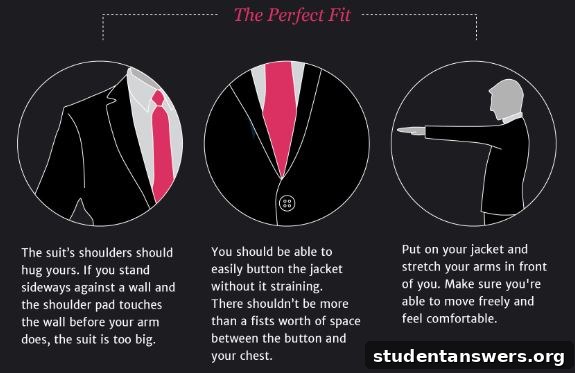
How a Suit Jacket Should Fit
The jacket is the centerpiece of your suit. Here’s a quick checklist for a perfect fit:
- Shoulders: The shoulder seam of the jacket should end exactly where your natural shoulder ends. If it hangs over, it’s too big. If it’s pulled tight and creates a divot, it’s too small.
- Chest: When you button the top button (on a two-button jacket), it should close smoothly without creating a prominent ‘X’ shape in the fabric. You should be able to slide a flat hand comfortably between the jacket and your chest.
- Length: The bottom of the jacket should typically cover the seat of your trousers. A good modern guideline is for it to end around your thumb’s knuckle when your arms are relaxed at your sides.
- Sleeves: As mentioned, the jacket sleeves should allow for about half an inch of your shirt cuff to be visible.
Choosing Your First Suit: Color Is Key
For your first suit, versatility is the most important factor. You want a color that can take you from a job interview to a wedding with just a change of shirt and tie.
- Charcoal Grey or Navy Blue: These are the undisputed champions of versatility. A charcoal or navy suit is formal enough for any professional setting but can also be dressed down. Navy pairs well with both black and brown shoes, offering more flexibility. Charcoal is classic, authoritative, and universally flattering.
- Black: While many think a black suit is the ultimate staple, it’s actually less versatile. It’s often considered too formal for business and is best reserved for black-tie events, funerals, or evening wear. For a first suit, navy or charcoal will serve you far better.
- Light Grey or Blue: These are excellent choices for a second or third suit. They are perfect for spring and summer events, daytime weddings, and more creative professional environments. A light grey suit looks particularly sharp at a graduation ceremony.
Mastering the Details: Lapels, Cuffs, and Accessories
The small details are what separate a good look from a great one. Paying attention to these elements shows a deeper understanding of style.
- Lapels: Most suits you encounter will have a notched lapel, which is a versatile standard suitable for any occasion. A peaked lapel is more formal and fashion-forward, often found on double-breasted jackets. A shawl lapel is the most formal, reserved for tuxedos and dinner jackets.
- Shirt Cuffs: As a rule, always wear a dress shirt when trying on a suit jacket. The goal is to consistently show about a half-inch of the shirt cuff beyond the jacket sleeve. This creates a clean, deliberate transition from suit to hand.
- Trouser Length (The “Break”): The “break” is the small fold of fabric that forms at the bottom of your trousers where they meet your shoes. A “full break” is more traditional, while a “slight break” or “no break” (where the trousers just skim the top of the shoes) is a more modern and clean look. Socks should only be visible when you are sitting or walking.
- Accessories: The key to accessories is restraint. Cufflinks, a tie bar, and a pocket square are all excellent additions, but a good rule is to choose only two of the three. Over-accessorizing can look try-hard. For a foolproof look, a simple white pocket square and a classic tie bar will always be in style.
Completing the Look: The Shirt and Tie
Your shirt and tie are how you inject personality into your ensemble. The most important rule is to match the fit of your shirt to the fit of your suit. A slim fit suit requires a slim fit shirt to avoid bunching fabric underneath.
When it comes to color, a crisp white or a light blue shirt are the most versatile and professional options. For your tie and pocket square, aim for complementing colors and patterns, not exact matches. For instance, a navy suit and white shirt look fantastic with a burgundy tie and a white pocket square with a burgundy border. Avoid the pre-packaged shirt, tie, and pocket square sets; they often lack quality and sophistication.
Don’t be afraid of the bow tie. Once reserved for eccentrics, it has enjoyed a massive comeback. A bow tie is a confident, fashion-forward choice. If you prefer a traditional necktie, opt for a slim or skinny tie to maintain a modern aesthetic.
Your Suit Is an Investment: A Final Word
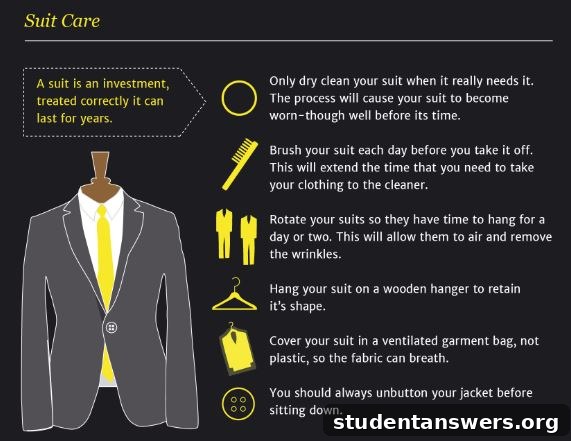
Now that you are equipped with the knowledge to navigate the world of menswear, there’s no excuse for a poor-fitting suit. View this first purchase as an investment in yourself. A great suit will last for years and will be ready for all the opportunities and milestones that lie ahead. By prioritizing fit above all else and choosing a versatile color, you’re not just buying an outfit; you’re acquiring a tool that will help you make the best possible impression, time and time again.