

Philly Steak Masterpiece
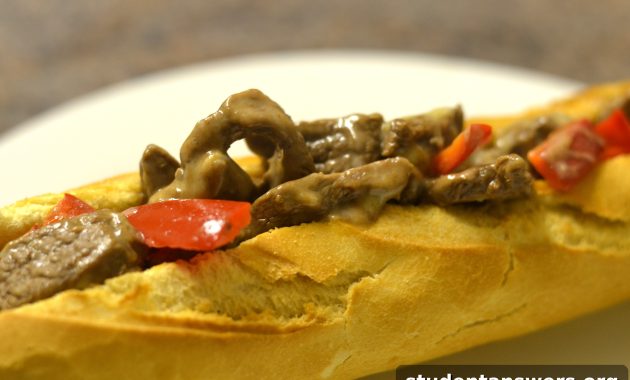
The Ultimate Guide to Making the Perfect Homemade Philly Cheesesteak
The Philly cheesesteak is more than just a sandwich; it’s a cultural icon, a symphony of savory flavors, and a testament to delicious simplicity. Combining thinly sliced, griddled steak, melted, gooey cheese, and a soft, crusty roll, this legendary creation from Philadelphia has captured the hearts and appetites of food lovers worldwide. While a trip to Philly to visit Pat’s or Geno’s is a worthy pilgrimage, you don’t need to book a flight to enjoy this masterpiece. In fact, creating a truly spectacular, restaurant-quality cheesesteak in your own kitchen is easier than you think.
This guide will walk you through everything you need to know, from selecting the perfect ingredients to mastering the cooking technique. We’ll ditch the overly complicated steps and focus on the core elements that make a cheesesteak unforgettable. Forget expensive takeout or disappointing imitations; get ready to craft the best Philly cheesesteak you’ve ever had, right at home.
What Exactly Is a Philly Cheesesteak?
At its heart, an authentic Philly cheesesteak is beautifully straightforward. It consists of frizzled, chopped steak piled high on a long, crusty roll, typically an Amoroso roll. The “cheesesteak” part comes from the addition of cheese, which is melted over the meat to create a decadent, savory filling. The most common cheese choices in Philadelphia are Cheez Whiz, provolone, or white American cheese.
While the classic recipe is a testament to minimalist perfection, many variations have become popular over the years. A cheesesteak ordered “wit” in Philly means it comes with sauteed onions, a classic and highly recommended addition. Other popular toppings include grilled bell peppers and mushrooms, turning the sandwich into a hearty and complete meal.
The Holy Trinity of a Perfect Cheesesteak: Steak, Cheese, and Bread
To achieve cheesesteak nirvana, you must pay respect to the three core components. Getting these right is 90% of the battle. Let’s break down what makes each element so crucial.
1. Choosing the Right Steak
The star of the show is, without a doubt, the steak. The traditional cut for a Philly cheesesteak is thinly sliced ribeye. Ribeye is prized for its high fat content and beautiful marbling, which renders down during cooking to create an incredibly tender, juicy, and flavorful result. The fat keeps the meat moist and ensures it doesn’t become tough or dry on the hot skillet.
While ribeye is the gold standard, other cuts can work well, especially if you’re on a budget. Sirloin or top round are excellent alternatives. They are leaner than ribeye, but still deliver great beefy flavor. The absolute key, regardless of the cut you choose, is to slice the meat as thinly as possible. A paper-thin slice allows the steak to cook quickly and achieve that signature “frizzled” texture.
Pro Tip for Slicing: To get super thin slices at home, place your steak in the freezer for about 30-45 minutes. This firms up the meat, making it significantly easier to slice thinly with a sharp knife against the grain.
2. The Great Cheese Debate
Cheese is the element that brings the entire sandwich together, and the choice of cheese is a source of passionate debate among cheesesteak purists. There are three main contenders:
- Cheez Whiz: For many, Cheez Whiz is the only authentic choice. Its salty, tangy flavor and perfectly smooth, liquid-gold consistency coat every piece of steak, creating an unparalleled gooey experience. Don’t knock it until you try it!
- Provolone: A milder, yet flavorful option. Slices of provolone are laid over the cooking meat and allowed to melt, providing a delightful cheese pull and a slightly sharp taste that complements the beef perfectly. It’s a less messy, more traditional cheese experience.
- White American Cheese: This is the perfect middle ground. American cheese offers a superior meltability, creating a creamy, velvety sauce that is similar in texture to Cheez Whiz but with a milder, classic cheesy flavor. It’s a fantastic and popular choice for a reason.
While the original recipe mentioned cheddar, and it certainly works in a pinch, trying one of these three classics will give you a more authentic and satisfying result. For this recipe, we’ll suggest provolone or American, as they are widely available and easy to work with.
3. The Importance of the Roll
The roll is the vessel, and its role is critical. It needs to be sturdy enough to hold the hefty, juicy filling without becoming soggy or falling apart, yet soft enough to be enjoyable to eat. The ideal choice is a classic Italian hoagie roll. These rolls have a slightly crisp, chewy crust and a soft, airy interior.
If you can’t find authentic hoagie rolls, a good-quality sub roll or a soft, fresh baguette will work wonderfully. The key is to find a roll that is substantial. Avoid soft, squishy hot dog buns, as they will quickly turn to mush. Lightly toasting the inside of the roll before assembling the sandwich is a game-changing step that adds texture and creates a barrier against sogginess.
The Definitive Homemade Philly Cheesesteak Recipe
This recipe is designed for maximum flavor and simplicity. We’ve included the classic additions of onions and peppers for a complete, satisfying meal that serves two people generously.
Ingredients:
- 1 lb ribeye or sirloin steak, sliced as thinly as possible
- 1 large yellow onion, thinly sliced
- 1 large green bell pepper, thinly sliced
- 4-6 slices of provolone or white American cheese
- 2 large hoagie rolls or baguettes
- 2 tablespoons neutral oil (like canola or vegetable)
- Salt and freshly ground black pepper to taste
- Optional: 1 tablespoon butter for toasting the rolls
Step-by-Step Instructions:
- Prepare Your Ingredients (Mise en Place): The cooking process for a cheesesteak is very fast, so it’s essential to have everything ready to go. Slice your steak, onion, and pepper. Split your rolls lengthwise, but not all the way through. Have your cheese slices ready.
- Sauté the Vegetables: Heat 1 tablespoon of oil in a large skillet, cast-iron pan, or flat-top griddle over medium-high heat. Add the sliced onions and peppers. Season with a pinch of salt and pepper. Cook, stirring occasionally, for 6-8 minutes, or until the vegetables are soft and the onions are lightly caramelized. Remove the vegetables from the pan and set them aside.
- Toast the Rolls: If you’d like, you can wipe the pan clean, add the optional butter, and place the rolls cut-side down for 1-2 minutes until they are lightly golden and toasted. This adds a fantastic layer of flavor and texture. Remove the rolls and set them aside.
- Cook the Steak: Add the remaining tablespoon of oil to the same hot skillet. Spread the thinly sliced steak in a single layer. Season generously with salt and pepper. The steak will cook very quickly, in just 2-3 minutes. Use two spatulas to chop and flip the steak as it cooks, breaking it into smaller pieces. This “frizzling” technique is key to the classic texture.
- Combine and Melt: Once the steak is just cooked through (with no pink remaining), reduce the heat to low. Add the cooked onions and peppers back to the skillet and mix them thoroughly with the steak. Divide the mixture into two equal portions in the pan, shaped roughly like your rolls.
- Get Cheesy: Lay the slices of cheese directly on top of each portion of the steak and vegetable mixture. The residual heat from the meat and pan will quickly melt the cheese into a gooey blanket. This should only take about 30-60 seconds.
- Assemble and Serve: Take your open, toasted roll and place it over one of the cheesy steak piles. Use a long spatula to slide underneath the entire mixture and flip it over into the roll. Your sandwich is now perfectly assembled. Repeat with the second roll. Serve immediately and enjoy the deliciousness you’ve created!
Pro-Tips for Cheesesteak Perfection
- Don’t Overcrowd the Pan: If you’re doubling the recipe, cook the steak in two batches to ensure it sears properly instead of steaming.
- Don’t Overcook the Steak: Because the slices are so thin, the steak will cook in minutes. Overcooking will result in tough, dry meat. Cook it just until the pink is gone.
- Season Every Layer: A little salt and pepper on the vegetables and on the steak makes a big difference in the final flavor profile.
- Embrace the Chop: Using your spatulas to roughly chop the steak in the pan is an authentic technique that creates the perfect texture and helps it integrate with the cheese and veggies.
Your Kitchen, Your Cheesesteak
The beauty of making a Philly cheesesteak at home is the complete control you have. This recipe provides a classic, fantastic foundation, but feel free to customize it. Love mushrooms? Sauté them with the onions and peppers. Craving some heat? Add some sliced jalapeños or a dash of hot sauce. Prefer a different cheese? Go for it! The goal is to create a sandwich that you will absolutely love. This homemade version is not only more affordable than eating out, but it’s also a fun and incredibly rewarding cooking experience. Welcome to a new world of sandwich perfection.