
The Ultimate Guide to Student Transportation: Bikes, E-Bikes, and Motorbikes
Starting university is an exciting new chapter, but it comes with a fresh set of logistical challenges. One of the biggest is figuring out the best way to get around. Whether you’re rushing to a 9 AM lecture, exploring your new city, or visiting friends across town, your choice of transport can significantly impact your student experience. While public transport is an option, relying on two wheels—be it a classic bicycle, a modern e-bike, or a powerful motorcycle—can offer unparalleled freedom, flexibility, and financial savings.
For the student who is constantly on the move, commuting on two wheels means escaping the crowded, unpredictable nature of rush-hour buses and trains. It puts you in control of your own schedule. To help you decide which option is the perfect fit for your university life, we’ve created this comprehensive guide to explore the world of two-wheeled student transport.
Pedal Power: The Classic, Budget-Friendly Choice
As a fresher, you have an entire city waiting to be discovered, and there’s arguably no better way to explore it than on a trusty bicycle. While your university will likely offer some form of transport, having your own bike provides a reliable and independent alternative. Cycling is not just a mode of transport; it’s a lifestyle choice that is cheap, efficient, convenient, and an excellent form of exercise. Forget expensive gym memberships; your daily commute can become your workout. Furthermore, with zero emissions, it stands as the most eco-friendly option available, allowing you to reduce your carbon footprint while you study.
Finding and Securing Your Bike
Before you get carried away and spend your student loan on a brand-new bike, the first practical step is to consider storage. Most university and private halls of residence provide dedicated bike sheds or racks. However, you must assess their security. A poorly secured area can make your bike a target for theft. If you’re renting privately, is there a secure space like a garage or shed? Or will you be forced to lock it to railings on the street? Knowing this will influence the type of bike you buy and the security measures you need.
Speaking of security, investing in high-quality locks is non-negotiable. The best practice is to use two different types of locks. A robust D-lock (also known as a U-lock) is essential for securing the frame to an immovable object. Complement this with a heavy-duty chain or cable lock to secure the wheels. This two-lock system presents a significant deterrent, as a potential thief would need different tools and more time to defeat both.
Buying Smart: Getting the Best Deal
When it comes to purchasing a bike, the second-hand market offers fantastic value. Websites like eBay and Gumtree are treasure troves of pre-loved bikes. However, always exercise caution. Insist that the seller provides proof of ownership, such as the original receipt or documentation. Be wary of deals that seem too good to be true—an unusually low price could indicate a stolen bike or a machine in need of costly repairs. Conversely, an overly expensive bike might cause unnecessary stress every time you leave it unattended. Also, look out for end-of-year sales from final-year students, especially international students, who are often keen to sell their bikes cheaply before they leave.
Join the E-Revolution: Electric Bikes for an Effortless Ride
Electric bikes, or e-bikes, are rapidly gaining popularity across the UK, and for good reason. These are essentially conventional bicycles enhanced with a small, quiet electric motor to provide assistance as you pedal. This creates a hybrid form of transport where your effort is supplemented by the motor, making cycling more accessible and less strenuous. In the UK, this assistance is legally limited to a maximum speed of 15.5mph. If you pedal faster than this, the motor cuts out, and you’re relying entirely on your own leg power.
Most modern e-bikes use a “pedal-assist” system, meaning the motor only engages when you are actively pedalling. This ensures you are still getting a healthy amount of exercise and maintaining the green credentials of cycling. E-bikes are perfect for bridging the gap between short journeys suitable for walking and longer trips that might otherwise require a car or public transport. If you plan to spend most of your time within your university city, an e-bike is a viable and powerful alternative to a car. Since they are legally classified as bicycles, they enjoy all the benefits of cycling—like using bike lanes—without the bureaucratic hassle of tax, insurance, or licensing associated with motor vehicles.
For a deeper dive into the world of e-bikes, this comprehensive Which? guide to ebikes is an excellent resource.
Head Out on the Highway: The Freedom of Motorcycles and Mopeds
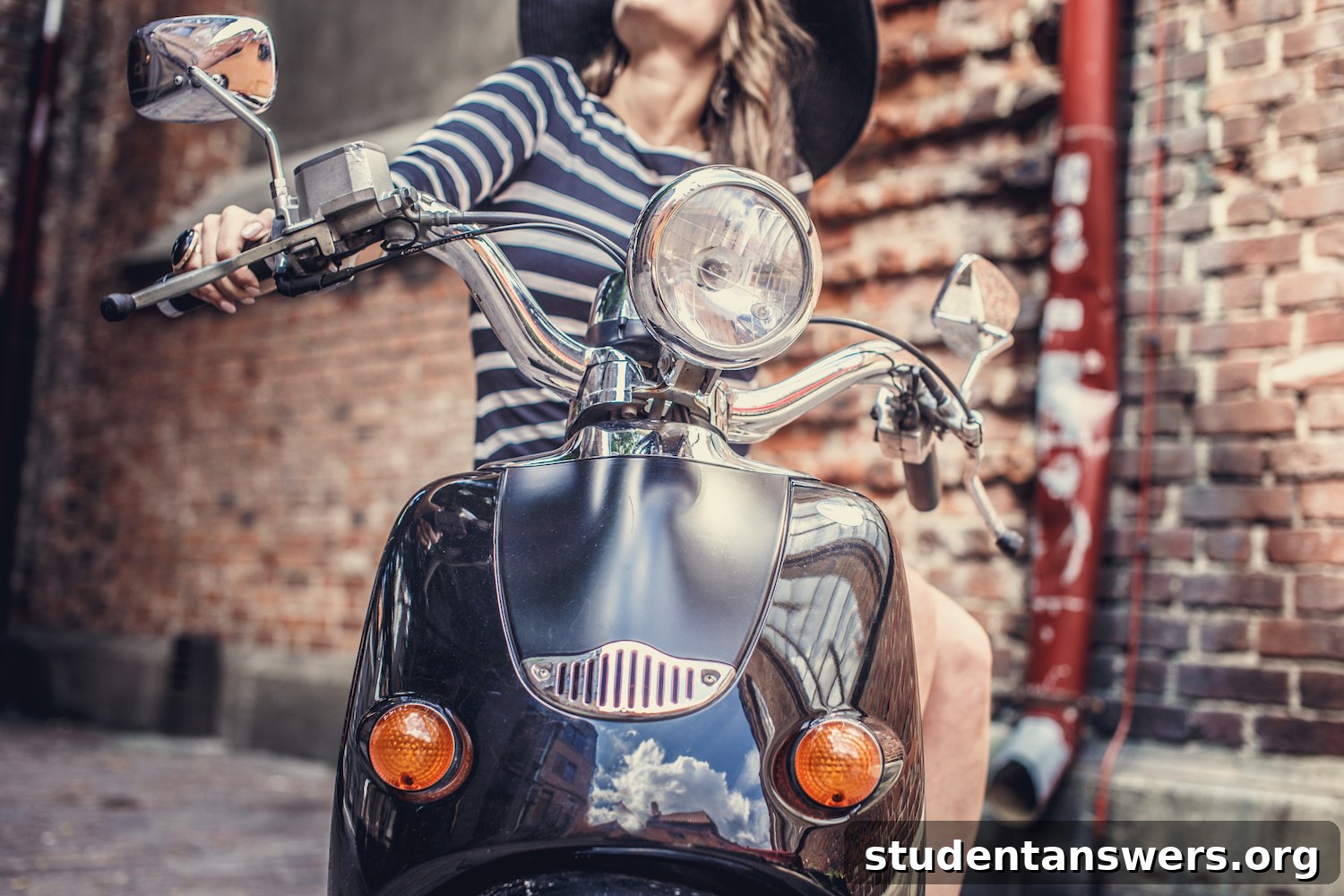
For students who face longer commutes, live in more rural areas, or want the freedom to travel home frequently during term time, a motorcycle or moped can be the ultimate solution. Compared to the expense of buying, insuring, and running a car, a powered two-wheeler is significantly more affordable. A motorbike can slash your journey time, helping you make it to that dreaded 9 AM lecture with time to spare. Once you arrive on campus, finding a parking spot for a motorcycle is almost always easier and cheaper than for a car.
The freedom extends beyond the daily commute. A motorcycle gives you the ability to explore the surrounding countryside or visit neighbouring cities without being tied to train or bus schedules. Beyond the practicalities, riding is an exhilarating experience. The feeling of freedom on the open road is simply unmatched.
Environmental and Health Perks
Motorcycles offer many of the same freedoms as cars but with lower environmental costs. They are typically more fuel-efficient, especially in urban environments where their ability to navigate through congestion saves fuel and time. As technology advances, electric motorcycles are also becoming a powerful and sustainable alternative to their petrol-powered counterparts.
Riding a motorcycle also brings surprising health benefits. It engages your core muscles for balance, strengthens your thighs and knees, and can even improve your body’s insulin sensitivity. The increased exposure to the outdoors also boosts your Vitamin D levels, which can have a positive impact on your mental well-being.
Getting on the Road Legally
To ride a motorcycle or moped on public roads, you must first obtain a provisional licence. The next crucial step is completing the Compulsory Basic Training (CBT). This is a day-long course that teaches you the fundamental skills of riding. Once you receive your CBT certificate, you can ride on the road as a learner. Remember that you must pass your full theory and practical tests within two years, or you’ll have to retake the CBT.
Different categories of motorbikes have different age and licence requirements. You can ride a moped (up to 50cc) from age 16, a light motorcycle (up to 125cc) from 17, a standard motorcycle (A2 license) from 19, and an unrestricted bike from 21 or 24, depending on your license path. For detailed information, visit the official Gov.uk website.
When buying your first machine, thorough research is essential, especially if you are considering a second-hand model. This guide on 10 things to do before buying a used motorcycle provides invaluable advice for new riders.
Safety gear is not optional. A quality helmet with protective eyewear, along with appropriate riding gear, is a must. On the road, always ride defensively, follow traffic laws, and be aware of your surroundings to keep yourself and others safe. Once you have your new pride and joy, you might want to personalise it. Companies like Number1Plates offer custom, fully road-legal number plates to give your bike a unique touch.
A Wise Investment in Your Student Life
Juggling a demanding academic workload with a vibrant social life is one of the core challenges of being a student. Having a reliable and efficient form of transport can make all the difference. Whether you choose the simple economy of a pedal bike, the assisted power of an e-bike, or the exhilarating freedom of a motorcycle, investing in two wheels can help you get where you need to be faster. The added benefits of saving money, improving your fitness, and reducing your environmental impact make it one of the smartest decisions you can make for a successful and enjoyable time at university.
Photo credit : Andrew Poplavsky/123RF