

Start Your Driving Journey with a 250 Prize from Go Girl
Mastering the Road: Your Ultimate Guide to Learning to Drive in the UK
The journey to getting your first driving licence is one of life’s most exciting milestones. It represents a new level of freedom, independence, and opportunity. Whether you’re a student planning for university life or simply eager to hit the open road, learning to drive is a valuable life skill. However, it’s no secret that the process can be expensive. From the cost of lessons to test fees, the expenses can quickly add up. This comprehensive guide will walk you through everything you need to know about learning to drive in the UK, from understanding the costs to passing your test and finding smart ways to save money along the way.
The True Value of a Driving Licence for Students
For many, a driving licence is more than just a piece of plastic; it’s a key that unlocks countless possibilities. This is especially true for university students. While running a car in a dense, congested city like London might not be practical, for many others, it can be a total game-changer.
Consider the benefits:
- Unmatched Convenience: If your university campus or accommodation is located away from the city centre or in a more rural setting, a car can save you significant time and hassle. No more relying on infrequent public transport to get to early morning lectures or the library for late-night study sessions.
- Enhanced Social Life: Having a car makes you a popular friend! You can easily organise trips with your new university mates, explore the surrounding countryside, or offer lifts to the supermarket for the weekly shop. It’s a fantastic way to bond and create lasting memories.
- Freedom to Go Home: Feeling a bit homesick? With a car, you can drive home whenever you like, without being tied to expensive train tickets or complicated coach schedules. Plus, you can bring that giant bag of laundry for your parents without a second thought!
- Improved Job Prospects: A driving licence can open up a wider range of part-time job opportunities that might otherwise be inaccessible, such as delivery roles or positions in neighbouring towns.
Getting your licence is a significant investment in your future, providing a skill that will serve you for the rest of your life.
Breaking Down the Costs: What to Expect on Your Driving Journey
Understanding the financial commitment is the first step in planning your path to passing. The Driver & Vehicle Standards Agency (DVSA) suggests that most learners need between 40 to 50 hours of professional instruction, supplemented by around 20 hours of private practice. Here’s a detailed breakdown of the typical costs involved.
1. Your Provisional Licence
Before you can even sit behind the wheel, you need a provisional driving licence. This is your official permission to start learning. You can apply for it online or via post. The cost is a one-time fee, and it’s the essential first expense on your list.
2. Driving Lessons: The Main Investment
The bulk of your budget will go towards professional driving lessons. The average cost per hour in the UK can vary significantly based on your location, but it typically ranges from £30 to £40. Using an average of £35 per hour, the total cost for 45 hours of lessons would be around £1,575. This is a substantial figure, which is why finding ways to save is so important.
3. The Theory Test
Before you can take your practical test, you must pass the theory test. This test is composed of two parts: a multiple-choice section testing your knowledge of the Highway Code and road safety, and a hazard perception section that tests your ability to spot developing dangers on the road. There is a set fee for taking the theory test, and you’ll need to pass both sections to receive your certificate.
4. The Practical Driving Test
This is the final hurdle. The practical driving test costs a set fee, which is slightly higher for tests taken on evenings, weekends, or bank holidays. You’ll also typically need to pay for an hour or two of your instructor’s time to use their car for the test and have a final warm-up lesson beforehand.
A Step-by-Step Guide to Passing Your Driving Test
Feeling overwhelmed? Don’t be. By breaking the process down into manageable steps, you can approach it with confidence and a clear plan.
Step 1: Get Your Provisional Licence
As mentioned, this is your starting point. You must be at least 15 years and 9 months old to apply, and you can start driving a car when you turn 17. Make sure your eyesight meets the minimum requirements before you begin.
Step 2: Find the Right Driving Instructor
A good instructor is crucial to your success. Look for an Approved Driving Instructor (ADI) who is registered with the DVSA. Check online reviews, ask for recommendations from friends and family, and consider finding an instructor who is patient, clear in their communication, and makes you feel comfortable and confident behind the wheel.
Step 3: Ace Your Theory Test
Don’t underestimate the theory test. Dedicate time to studying. Use the official DVSA resources, download revision apps, and take plenty of mock tests. The more you practice, the more prepared you’ll be on the day. You must pass this before you can even book your practical test.
Step 4: Build Your Practical Skills
Your lessons will cover everything from basic car control and manoeuvres (like parallel parking and turning in the road) to navigating complex junctions, roundabouts, and dual carriageways. Pay close attention to your instructor’s feedback. If possible, supplement your professional lessons with private practice in a family member’s or friend’s car—just ensure you have the correct learner driver insurance in place.
Step 5: Book and Conquer the Practical Test
Your instructor will let you know when you’re ready to book your test. On the day, try to stay calm. Have a light meal beforehand, get a good night’s sleep, and trust in the skills you’ve developed. The test lasts around 40 minutes and will include a period of independent driving and one of the set manoeuvres.
Smart Strategies to Save Money on Learning to Drive
The high cost of learning shouldn’t be a barrier to getting your licence. With some clever planning, you can significantly reduce the overall expense.
Block Book Your Lessons
One of the easiest ways to save is to pay for lessons in bulk. Nearly all driving schools and independent instructors offer a discount if you book and pay for 10, 20, or more hours upfront. This can often save you a few pounds per hour, which really adds up over 40-50 hours.
The Power of Private Practice
Supplementing your lessons with practice in a friend’s or family member’s car is incredibly valuable. It helps you build confidence and clock up the necessary hours without paying the premium for an instructor. Just remember, you must be supervised by someone who is over 21 and has held a full licence for at least three years. Crucially, you must be covered by a suitable learner driver insurance policy.
Search for Promotions and Giveaways
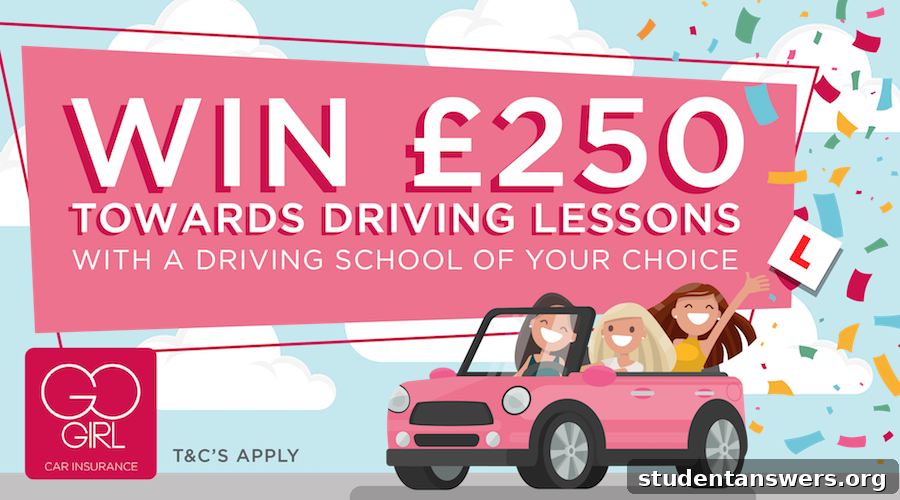
Keep your eyes peeled for special offers. Occasionally, companies run competitions or promotions that can help with the cost. For example, in the past, brands like Go Girl Car Insurance have run competitions offering winners money towards their driving lessons. While specific competitions may have ended, it’s a good reminder to check student websites, insurance company pages, and local driving schools for current deals, especially around the start of the university year.
Use Free Resources for Theory Practice
While official materials are great, there are countless free apps and websites that offer mock theory tests and hazard perception clips. This allows you to practice extensively without spending extra money on revision materials.
Your Road to Freedom Awaits
Learning to drive is an empowering journey that requires time, practice, and a financial commitment. However, by understanding the costs, following a structured plan, and using smart strategies to save money, you can make the process smoother and more affordable. The investment you make now in getting your driving licence will pay dividends for years to come, offering you unparalleled freedom, convenience, and opportunities. So, start saving, find a great instructor, and get ready to enjoy the open road.