The Health Illusion: Why We Fake Our Fitness on Social Media

In the age of curated feeds and digital personas, what we see online is often a carefully constructed highlight reel. This is especially true when it comes to health and fitness. A revealing new study has pulled back the curtain on our online habits, discovering that nearly half of all Brits exaggerate how healthy their lifestyle truly is on social media. This phenomenon points to a growing generation of ‘fit-ocrites’—individuals who project an image of peak wellness online that starkly contrasts with their reality.
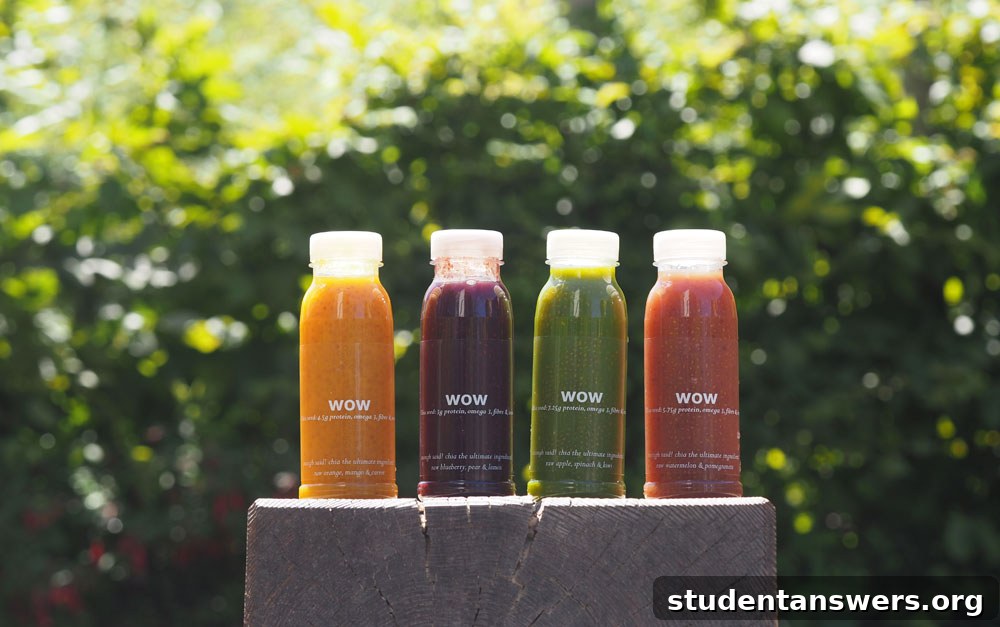
The research, commissioned by wow, Europe’s pioneering chia seed drink, surveyed 1,500 adults and uncovered a fascinating and somewhat troubling trend. It seems that while our social media profiles are filled with vibrant salads, sweaty gym selfies, and impressive run times, the truth behind the screen is often much less glamorous. This article delves into the reasons behind this digital deception, the common tactics used, and the broader implications of faking fitness in a hyper-connected world.
The Psychology of the Perfect Post: Peer Pressure and Celebrity Influence
What drives so many of us to embellish, or in some cases completely fabricate, our health and wellness routines? The study identifies two primary motivators: peer pressure and celebrity influence. The desire to fit in and be validated by our peers is a powerful human instinct. When friends and followers constantly post about their green smoothies and morning workouts, the pressure to project a similar image can be immense. It’s a digital version of “keeping up with the Joneses,” where the currency is likes, comments, and perceived self-discipline.
However, the influence extends beyond our immediate circle. A significant quarter of respondents admitted they are trying to emulate the lifestyles of fitness-forward celebrities and influencers like Lucy Mecklenburgh, Millie Mackintosh, and Mark Wright. These public figures often share immaculately staged photos of their workouts, perfectly portioned meals, and toned physiques, creating an aspirational—and often unattainable—standard. This constant exposure to perfection can make individuals feel inadequate about their own, more realistic lifestyles, prompting them to create a more flattering narrative online.
The result is a culture of performative wellness, where the appearance of health is more important than the practice of it. This creates a cycle of comparison and pressure that affects both the poster and the viewer.
Anatomy of a “Fit-ocrite”: The Tactics of Deception
The study reveals the specific ways in which this digital health illusion is maintained. The gap between online portrayal and offline reality can be staggering. Despite feeds filled with images of nutritious meals, a striking one in five people confessed that their actual diet is nowhere near as healthy as their social media suggests. The deception is often immediate; the research found that within just 47 minutes of posting a picture of a “superfood” meal, many admit to indulging in junk food.
The fakery extends beyond the kitchen and into the gym. The survey uncovered some bold fabrications:
- Ghost Workouts: An astonishing 14 percent of those polled have posted an update about a gym visit that never actually occurred.
- The ‘All Gear, No Idea’ Post: One in ten have uploaded a photo to Instagram or Facebook dressed in stylish gym attire, only to change back into their regular clothes moments later without breaking a sweat.
- The Art of the Selfie: For those who do make it to the gym, crafting the perfect selfie is a workout in itself. Nearly one in five admit to always breathing in to appear slimmer, while a cunning 10 percent apply a flattering filter to enhance their appearance.
Other common tricks to achieve the perfect fitness photo include pouting (7 percent), applying a full face of makeup before a “workout” (9 percent), and even using fake tan to create the illusion of a healthy glow (5 percent). Men are not immune, with flexing muscles (10 percent) and puffing out the chest (8 percent) being common tactics. In a truly dedicated act of deception, a small percentage even admitted to spritzing themselves with water to mimic the look of perspiration.
The Most Popular “Healthy” Posts We Love to Share
Certain types of content consistently perform well, reinforcing the ideal of a healthy lifestyle. These posts act as a form of social currency, signaling discipline, health, and success. The study identified the most common themes:
- Scenic Exercise Shots: A picture of an impressive landscape encountered during a run or cycle, suggesting an adventurous and active life.
_ New Gear: Unboxing new trainers or showing off a new piece of gym equipment to signal commitment to fitness.
_ The Superfood Salad: A colourful, artfully arranged salad, often featuring trendy ingredients, to showcase dietary virtue.
_ Smoothies and Juices: A vibrant green or fruit-filled drink, symbolizing detoxification and clean living.
_ The Gym Outfit: A head-to-toe shot of coordinated, branded gym wear.
_ Fitness Tech Screenshots: Sharing data from a running app or a step counter to provide “proof” of activity and calories burned.
_ The Action Shot: A picture or video of lifting weights, stretching, or holding a difficult yoga pose.
_ Body-Focused Photos: Close-up shots of abs, biceps, or other toned body parts.
_ The “Swealfie”: A post-workout selfie showcasing a sweaty face or body as a badge of honour.
The Superfood Mirage: Posting What We Don’t Understand
One of the most telling findings from the study relates to so-called “superfoods.” These nutrient-dense foods have become status symbols on social media. However, while many are quick to post about them, their real-world knowledge is often lacking. Despite the prevalence of chia seeds, goji berries, and quinoa in online health circles, the survey found that:
- Two-thirds of people would have no idea what a goji berry looks like.
- 45 percent admitted they couldn’t identify quinoa.
- A staggering two-thirds were unable to identify chia seeds.
This highlights a significant disconnect between the image we project and our genuine understanding of nutrition. It suggests that for many, these foods are props used to build a “healthy” personal brand rather than integral parts of their diet. A third of adults surveyed said they post more about diet and health than any other topic, with a brazen 12 percent admitting they post misleading pictures “all the time.”
The deception seeps into everyday conversations as well. One in ten people have told colleagues they jogged or cycled to work when they actually took public transport. The same number will document a quiet, “healthy” night in for their followers while actually being out for a big, boozy night with friends.
Beyond the Filter: The Real Impact of Faking Fitness
While faking a healthy lifestyle online may seem harmless, it can have detrimental effects on both the creator and the consumer of the content. For the person posting, maintaining a false narrative can lead to feelings of anxiety, guilt, and imposter syndrome. The pressure to live up to the idealized version of themselves can be exhausting and can diminish the joy of pursuing genuine health goals at their own pace.
For those viewing the content, the constant stream of seemingly perfect bodies and flawless healthy habits can be incredibly damaging. It can foster unhealthy comparison, lower self-esteem, and contribute to body image issues. Furthermore, it creates a warped perception of what a healthy journey looks like. Real wellness involves rest days, occasional indulgences, and imperfect progress—realities that are often erased from the social media highlight reel. This can leave people feeling like failures for not meeting an unrealistic and often fabricated standard.
Ultimately, the culture of the “fit-ocrite” raises important questions about authenticity in the digital age. As we navigate our online and offline lives, it’s crucial to remember that what we see is rarely the full story. Striving for genuine well-being, rather than just the appearance of it, is a far more rewarding and sustainable goal.