

In my junior year of university, I secured a highly sought-after paid internship at one of the prestigious Big Four global accounting firms. This experience was a pivotal moment in my career. Even though I ultimately chose a different path than accounting, having that renowned firm on my resume became a powerful key, unlocking numerous opportunities in the corporate world. It even led to a brief, surreal moment where I was featured in my business school’s promotional materials.
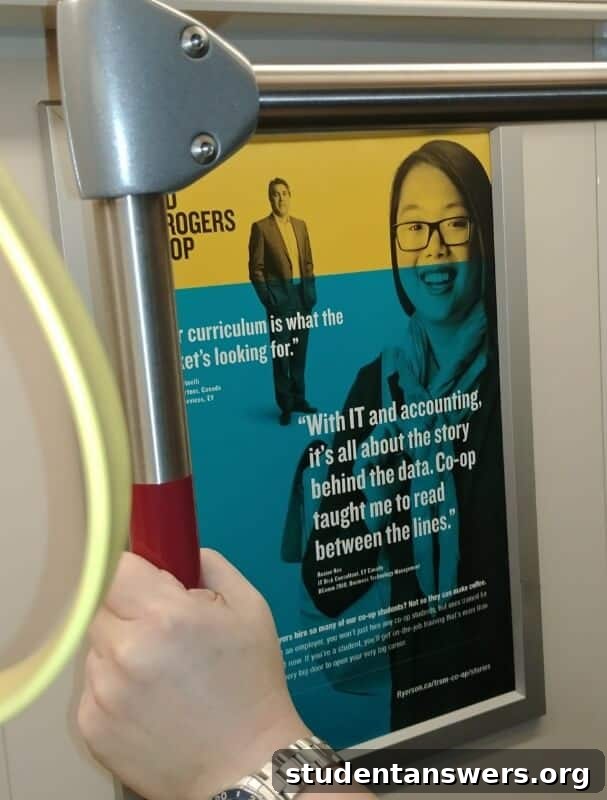
What made this achievement particularly interesting was that the firm wasn’t actively recruiting from my university at the time. To add another layer, I wasn’t even an accounting major; my focus was on business and Information Technology. So, how did I manage to land such a competitive role against the odds?
The secret wasn’t luck; it was a meticulous and strategic approach to the entire interview process. In this comprehensive guide, I will walk you through every stage, from pre-interview preparation to post-interview follow-up. I’ll share actionable tips and insights from my own journey to help you master your next job interview and land the offer you deserve.
The Ultimate Pre-Interview Preparation Checklist
Here’s a fundamental truth that every successful candidate understands: a remarkable 80% of your interview success is determined by the work you do before you ever step into the room. The pre-interview phase is your opportunity to build a foundation of confidence, knowledge, and strategy. The following steps are designed to help you prepare thoroughly, allowing you to walk into your interview feeling relaxed and ready to have a genuine conversation, not an interrogation.
Step 1: Cultivating a Winning Interview Mindset
“I used to walk in a room and wonder if they liked me. Now I look around and wonder if I like them.” – Harvey Specter, Suits
Your mindset is the most powerful tool you have. Approaching the interview with the right perspective can transform your entire performance.
Understand the True Nature of an Interview
First, reframe what an interview is. It is not a one-sided examination where you must prove your worth. Instead, view it as a professional conversation between two parties to determine if there’s a mutual fit. You are evaluating the company just as much as they are evaluating you. This mindset shift from “I hope they hire me” to “Let’s see if this is the right place for me” instantly boosts your confidence and places you on a more equal footing.
Empathize with the Hiring Manager
Remember that the company is just as eager to find the right person as you are to find a job. Hiring is a time-consuming and expensive process. The hiring manager is under pressure to find a candidate who can solve their problems and contribute to the team. Your job is to show them that you are that solution. Here’s a powerful insight: The hiring manager wants to hire someone who will make them look good to their own boss. If you can demonstrate that you are competent, reliable, and will make their team stronger, you become an incredibly attractive candidate.
Step 2: Building Your Foundation with General Preparation
“I don’t have dreams. I have goals.” – Harvey Specter, Suits
Long before I even applied for the accounting firm position, I invested significant time in building a solid professional foundation. Here are the essential steps you should take.
- Utilize Your School’s Career Services: Your university’s career center is a goldmine of resources. I participated in mock interviews, which were invaluable for practicing my storytelling and getting comfortable with the format. I also took advantage of resume critique sessions, which transformed my poorly written resume into a professional document. If your field is creative, get a portfolio review from a professor or industry professional.
- Leverage Your Network: As soon as I submitted my application, I reached out to a contact within the firm. This is a critical step. I asked about the company culture and, crucially, if he could put in a good word with the recruiter. This personal recommendation helped my application stand out from the pile and secured me a first-round video interview. He also connected me with past interns who gave me insider details about the in-person interview format, which included a case study and partner interviews. If you don’t have a direct contact, use LinkedIn to find alumni, ask friends and family, or connect with your university’s alumni association.
- Master Classic Interview Questions: While you can’t predict every question, you can prepare for the classics. Be ready for “Tell me about yourself,” “What are your greatest strengths and weaknesses?”, and “Describe a time you overcame a challenge.” For the “Tell me about yourself” question, don’t just recite your resume. Instead, craft a compelling narrative around three key qualities, such as being a quick learner, a proactive problem-solver, and a collaborative team player. Use a brief story to illustrate each quality.
- Back Up Your Claims with Data: Numbers add credibility. Instead of saying “I improved efficiency,” say “I streamlined the data entry process, reducing report generation time by 20%.” Even if they are estimates, quantifiable results make your accomplishments tangible and impressive. Be prepared to explain how you arrived at those numbers.
- Practice Your Stories Out Loud: It’s not enough to think about your answers. Lock yourself in a room and practice saying them. Use a simple and effective framework for your stories: State your point, tell the story (the situation, your action, the result), and then restate your point. This structure ensures your answers are clear, concise, and impactful.
- Prepare Your List of References: Have a document ready with the names, titles, email addresses, and phone numbers of 2-3 professional references. Always ask for their permission beforehand and give them a heads-up about the role you’re interviewing for so they can be prepared.
Step 3: Tailoring Your Approach for the Specific Job
“A good lawyer knows the law. A great lawyer knows the judge.” – Harvey Specter, Suits
General preparation is essential, but job-specific research is what sets exceptional candidates apart.
- Research Your Interviewers: Find out who will be interviewing you and look them up on LinkedIn. Learn about their role, their career path, and any shared interests or connections. This knowledge helps you build rapport and tailor your answers to their perspective.
- Understand the Interview Format: Ask the recruiter what to expect. Will it be a behavioral interview, a technical test, a case study, or a group interview? Knowing the format in advance allows you to prepare mentally and strategically. For my interview, knowing it was a long day with a case analysis and multiple partner meetings helped me pace myself.
- Prepare Using the “Briefcase Technique”: This is an advanced strategy where you go into the interview with a pre-prepared plan or sample of work. For example, if you’re a marketing candidate, you might bring a one-page document with ideas for their next social media campaign. This demonstrates initiative, shows you’ve done your homework, and gives them a tangible example of the value you can provide.
- Scout the Location: If possible, do a trial run to the interview location the day before to figure out travel time and parking. If not, use Google Maps Street View to familiarize yourself with the area. This small step eliminates a major potential source of stress on the day of the interview.
Game Day: How to Shine on the Day of the Interview

Morning Rituals for Peak Performance
“Anyone can do my job. But no one can be me.” – Harvey Specter, Suits
- Prioritize Sleep: A good night’s sleep is non-negotiable. Being well-rested ensures you are alert, sharp, and can think clearly under pressure.
- Focus on Grooming: Pay attention to the details. Get a fresh haircut, ensure your nails are clean, and take care of personal hygiene. Looking polished and professional shows you take the opportunity seriously.
- Dress for Success: Your attire makes an immediate impression. It’s always better to be slightly overdressed than underdressed. For men, a well-fitting suit or a blazer with dark slacks is a safe bet. For women, a tailored pantsuit, a pencil skirt with a blouse and blazer, or a conservative dress are all excellent choices. Ensure your clothes are clean, ironed, and comfortable.
- Eat a Healthy Meal: Have a light but nourishing breakfast or lunch before you go. You don’t want a growling stomach to distract you. Stay hydrated, but don’t overdo it on the coffee.
Arriving with Confidence
- Be Early, Not *Too* Early: Plan to arrive in the vicinity 20-30 minutes early. This gives you a buffer for unexpected delays. Enter the building and announce your arrival to the receptionist 5-10 minutes before your scheduled time.
- The Interview Starts at the Front Door: From the moment you enter the building, you are being evaluated. Be polite, friendly, and professional to everyone you meet, especially the receptionist or administrative staff. Their opinion of you can often influence the hiring decision.
- Stay Present: Don’t walk in with headphones on, scrolling through your phone. Keep your head up, observe the office environment, and be ready to engage. This shows you are present and interested.
Inside the Interview Room: Strategies for Success

During the interview, the hiring manager is looking for more than just correct answers. They are assessing your personality, your thought process, and your potential fit within the team. They want to know if they would enjoy working with you every day and if they can trust you to get the job done.
Making a Powerful First Impression
“I don’t play the odds. I play the man.” – Harvey Specter, Suits
- Deliver a Firm Handshake: Start with a firm, confident handshake and make eye contact. This simple gesture sets a positive and professional tone for the entire meeting.
- Project Confident Body Language: Sit up straight, lean slightly forward to show engagement, and maintain natural eye contact. Keep your hands relaxed in your lap or on the chair’s arms. Avoid fidgeting, as it can be a sign of nervousness. The goal is to take up space and appear comfortable and confident.
- Build Rapport: The interview should begin with some light small talk. Use this opportunity to connect with your interviewer. Compliment their office or ask about their day. If your research revealed any shared interests (like a university, a hobby, or a past employer), you can mention it to create a more personal connection.
Crafting Compelling Responses
- Leverage Storytelling: The most memorable candidates are great storytellers. When answering behavioral questions, use the STAR method: Situation (describe the context), Task (explain your goal), Action (detail the specific steps you took), and Result (share the outcome, using numbers where possible). This structure makes your answers clear, engaging, and impactful.
- Stay Positive and Professional: Never speak negatively about past employers, colleagues, or experiences. Even if you had a difficult job, frame it as a learning experience. For example, say, “It wasn’t the ideal cultural fit, but I learned a lot about what I value in a team environment.” A positive attitude is highly valued.
- Ask Intelligent Questions: When the interviewer asks, “Do you have any questions for me?” your answer should always be “Yes.” This is your chance to demonstrate your curiosity and intelligence. Prepare 3-5 thoughtful questions that can’t be answered with a simple Google search. Examples include: “What does success look like in this role in the first 90 days?”, “What are the biggest challenges this team is currently facing?”, or “Can you describe the team’s culture and communication style?”
- Handle the Salary Question with Grace: If possible, avoid discussing compensation until you have a formal offer. If pressed, you can say, “I’m focused on finding the right role and I’m confident that if we both feel this is a good fit, we can agree on a compensation package that is fair and competitive.” If you must give a number, provide a well-researched range rather than a single figure.
The Follow-Up: Sealing the Deal After the Interview
Send a Personalized Thank-You Note
This final step is crucial and often overlooked. Within 24 hours of your interview, send a personalized thank-you email to each person you spoke with. In your note, express your gratitude for their time, reiterate your enthusiasm for the role, and briefly mention something specific you discussed that resonated with you. This reinforces your interest and shows that you were actively listening.
Your Roadmap to Interview Success

Landing a job interview means the company already believes you are qualified on paper. The interview itself is your chance to prove you are the right person for the role—a capable, trustworthy, and valuable human being who can help their team succeed. By approaching the process with a strategic mindset, thorough preparation, and genuine confidence, you are no longer just another candidate. You are the solution to their problem. With these tips in your arsenal, you are ready to walk into your next interview and not just answer questions, but make a lasting, positive impression.