The Evolution of Online High School Diploma Programs: Meeting Diverse Needs
Introduction to Online High School Diploma Programs
The field of online high school diploma programs has evolved significantly since its inception, driven by technological advancements and the changing educational landscape. Initially, these programs emerged as alternative educational solutions aimed primarily at students seeking flexibility outside traditional classroom settings. Over the years, they have transformed, offering a comprehensive range of options to meet the diverse needs of learners.
Today, online high school diploma programs utilize cutting-edge technology to provide a curriculum equivalent to that of in-person education. These programs cater to varied learning styles and accommodate different schedules, enabling students to pursue their studies while balancing other life commitments. This shift from classroom-based education to online platforms marks a significant change in how students access and engage with academic material.
The rise of the internet and digital communication tools has made it possible for educational institutions to deliver quality instruction remotely. Schools that offer online high school diploma programs have invested in resources that enhance the learning experience, including interactive lessons, virtual classrooms, and personalized learning plans. This evolution emphasizes inclusivity, as the programs serve diverse learner populations, including gifted students, those with special needs, athletes, and performers.
Moreover, the development of customized accommodation plans ensures that all students can partake in quality education tailored to their unique requirements. These adaptations reflect an understanding that not all students thrive in conventional settings, highlighting the adaptability of online education. As a result, online high school diploma programs have become more than just an alternative; they represent a viable and often preferable choice for many learners seeking an education that fits their specific needs.
The Characteristics of Modern Online High School Programs
The field of online high school diploma programs has evolved significantly, characterized by features that meet the diverse needs of contemporary learners. One of the most prominent attributes of modern online high school programs is flexibility. These programs allow students to tailor their educational experiences to fit their individual schedules, making it easier for those with extracurricular engagements, such as athletes and performers, to balance their studies with other commitments. As a result, students can learn at their own pace, which is particularly beneficial for those who may require additional time to grasp complex subjects.
Accessibility is another critical feature of modern online high school programs. Unlike traditional educational environments, these programs are designed to serve diverse learner populations, including gifted students as well as those with special needs. Customization is a fundamental aspect, enabling educators to create unique accommodation plans that ensure every student can access quality instruction. This level of support enhances students’ learning experiences and helps them succeed in ways that align with their personal strengths and challenges.
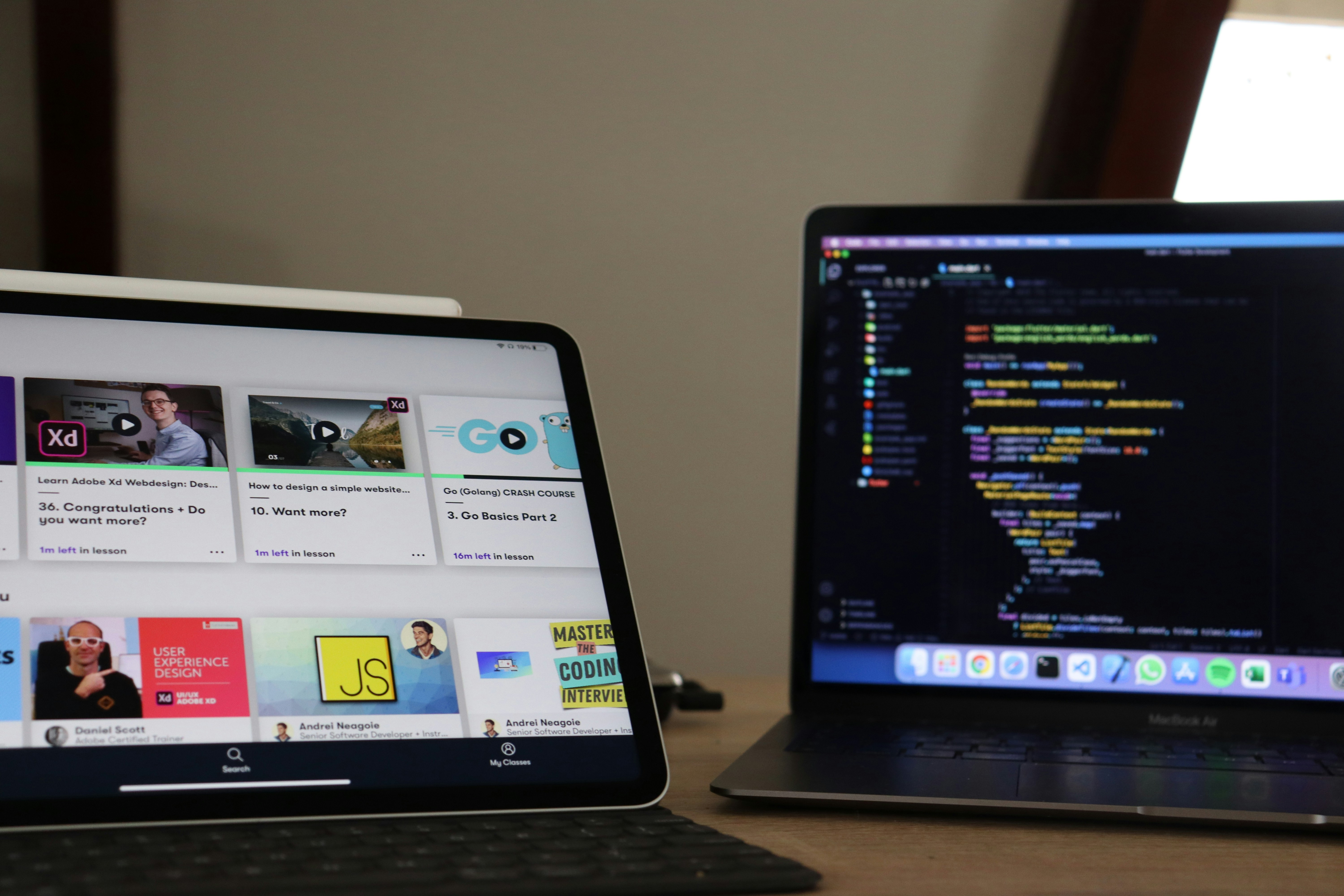
The integration of technology plays a pivotal role in enriching the educational experience provided by online high school diploma programs. Online learning platforms serve as central hubs for course materials, assignments, and communication between teachers and students. Additionally, multimedia resources and interactive tools further enhance learning engagement. For instance, virtual simulations, video lessons, and discussion forums foster collaboration and provide varied methods of instruction that cater to different learning styles. This technological integration not only makes learning more dynamic but also prepares students for advanced education and professional pursuits in an increasingly digital world.
Diverse Learner Populations: Who Benefits from Online High School Education?
The evolution of online high school diploma programs has resulted in a framework that supports a wide array of students, offering tailored educational experiences that meet their specific needs. Various learner populations benefit significantly from these online programs, including gifted students, those with special educational requirements, athletes, performers, and those who seek alternative educational environments.
Gifted students often require a curriculum that challenges them beyond the standard offerings of traditional schools. Online high school diploma programs provide access to advanced placement courses, accelerated learning paths, and enriched content, allowing these students to advance at their own pace. This flexibility enables them to engage in independent projects and research that align with their interests.
Students with special needs also find significant advantages in online education. Customized accommodation plans can be developed to ensure quality instruction tailored to their individual circumstances. This adaptability helps create a more inclusive educational experience, enabling such learners to thrive in an environment that respects their unique challenges and strengths.
Athletes and performers often have demanding schedules due to their commitments. Online high school diploma programs offer the flexibility to manage rigorous training and performance schedules while pursuing their academic goals. This model allows them to balance extracurricular activities with educational achievement without compromising their academic integrity.
Moreover, students seeking alternative educational environments, such as those experiencing bullying or disenchantment with the traditional school setting, find solace in online high school. These platforms provide a safe space where they can focus on their studies without external distractions, contributing to improved mental well-being and academic success.
As the field of online high school diploma programs continues to evolve, it is evident that they are equipped to serve diverse learner populations through customizable and accessible learning solutions.
Customized Accommodation Plans for Students
The field of online high school diploma programs has evolved significantly, providing students with diverse options that cater to different learning styles and schedules. One of the most critical advancements in this domain is the implementation of customized accommodation plans aimed at addressing the unique needs of various learners. Personalization in education is not merely a trend but a necessity for ensuring that every student can thrive.
Customized accommodation plans are designed to support gifted students, those with special needs, athletes, performers, and students who may benefit from alternative educational environments. These plans may include tailored instructional strategies, modified assessments, and flexible scheduling options, all essential for fostering an inclusive learning atmosphere. For instance, a gifted student might be provided access to advanced coursework or enriched learning materials that challenge their intellectual curiosity further.
Similarly, for students with special needs, accommodations may encompass resources such as assistive technology, specialized tutoring, and sensory-friendly learning spaces. This kind of support ensures that these individuals have equal opportunities to succeed academically, thereby nurturing their potential. As a practical example, an online high school program may conduct regular check-ins with students to adjust their learning plans proactively, ensuring they remain aligned with their evolving needs.
Moreover, these customized approaches facilitate a more personalized engagement with the material. When students can learn in a manner that aligns with their strengths and preferences, their motivation and academic performance often improve significantly. Therefore, the importance of customized accommodation plans cannot be overstated, as they play a vital role in helping diverse learner populations access quality instruction in the changing landscape of online education.
Learning Styles and Pedagogical Approaches in Online Education
The field of online high school diploma programs has evolved significantly, providing students with diverse options that cater to different learning styles and schedules. Recognizing that each student learns differently, these programs implement various teaching methodologies designed to address the primary learning styles: visual, auditory, and kinesthetic. For visual learners, instructional materials often include graphics, videos, and interactive elements that aid in comprehension and retention. Auditory learners benefit from lectures, podcasts, and discussions, facilitating engagement through sound and conversation. Meanwhile, kinesthetic learners find value in hands-on activities and practical applications, which can be achieved through simulations or projects integrated into the curriculum.
Online high school diploma programs also offer a blend of synchronous and asynchronous learning opportunities, carefully crafted to meet the needs of diverse learners. Synchronous learning allows for real-time interaction between students and instructors, fostering a collaborative environment essential for certain learning styles that thrive on immediate feedback and peer engagement. On the other hand, asynchronous learning provides flexibility, permitting students to study at their own pace, which is particularly beneficial for those who balance academic obligations with extracurricular activities such as sports or performing arts.
Additionally, these online programs often utilize adaptive learning technologies that can tailor the educational experience based on individual progress and preferences. This personalized approach not only enhances the overall effectiveness of the instruction but also encourages students to take ownership of their learning journey. By considering the various learning styles and integrating appropriate pedagogical approaches, online high school diploma programs ensure they cater effectively to all students, including those with special needs or alternative educational requirements.
The Role of Technology in Online High School Diploma Programs
The field of online high school diploma programs has evolved significantly, largely due to advancements in technology that have transformed educational delivery. Today, a plethora of tools and platforms provides students with diverse learning experiences tailored to their unique needs. Video conferencing tools, such as Zoom and Google Meet, have become essential in facilitating real-time interactions between students and educators. These tools allow for live discussions, collaborative projects, and immediate feedback, enriching the learning process.
Learning management systems (LMS) such as Canvas and Blackboard serve as centralized hubs where students can access course materials, track their progress, and submit assignments. These platforms streamline communication and organization, helping students manage their academic responsibilities effectively. Their user-friendly interfaces and robust functionalities support students with varying levels of tech literacy, ensuring that a wide range of learner populations can benefit from online education.
In addition to LMS and video conferencing, interactive applications have emerged as valuable resources in online learning environments. Applications that offer gamified learning experiences make lessons more engaging and accessible, particularly for gifted students or those who might struggle with traditional educational frameworks. Such interactive tools cater to various learning styles, ensuring that all students, including those with special needs or exploring alternative educational paths, can engage fully with the curriculum.
As technology continues to advance, the inclusion of personalized learning experiences, powered by artificial intelligence and data analytics, can further enhance these online programs. Customized accommodation plans, guided by real-time data, ensure every student accesses quality instruction tailored to their preferences and learning paces. The effective integration of these technologies thus plays a pivotal role in the continuous evolution of online high school diploma programs, catering to today’s diverse educational needs.
Success Stories: Testimonials from Students and Educators
The evolution of online high school diploma programs has significantly transformed the educational landscape, with many students and educators sharing compelling testimonials that provide insight into their experiences. One notable student, Sarah, a gifted learner, found traditional schooling restrictive and unchallenging. After enrolling in an online program, she discovered a tailored curriculum that allowed her to advance at her own pace. This flexibility not only nurtured her academic potential but also ignited a passion for independent learning, showcasing how online education caters to diverse learner populations.
Similarly, educators have recognized the benefits of online high school diploma programs. John, a high school teacher, transitioned to an online teaching role to better serve students with special needs. He has witnessed profound transformations in his students’ lives. With personalized instruction and customized accommodation plans, students who previously struggled in conventional classroom settings are now thriving. They engage more actively with the material, and many have reported higher levels of satisfaction and academic success.
Online learning has also proven advantageous for student-athletes like Mark, who juggles rigorous training schedules. He emphasizes the benefits of a program that accommodates his athletic commitments, allowing him to maintain academic progress without compromising his passion for sports. Mark’s story illustrates the adaptability of online high school diploma programs, ensuring that dedicated individuals can pursue their dreams without sacrificing their education.
Overall, these testimonials from both students and educators demonstrate the effectiveness of online high school programs in addressing varied educational needs. The evolution in this field has made it possible to create inclusive environments where every learner receives quality instruction, making a meaningful impact on their educational journeys.
Challenges Faced in Online High School Education
The field of online high school diploma programs has evolved significantly, yet it is not without its challenges. One of the primary obstacles faced by students is self-discipline. In a virtual learning environment, the absence of a structured classroom can make it difficult for some students to maintain focus and motivate themselves to complete their coursework. This challenge is particularly pronounced for students who are accustomed to traditional classroom settings.
Engagement also remains a critical concern within online high school programs. Students may feel disconnected from instructors and peers due to the lack of face-to-face interaction. This disconnect can hinder their ability to actively participate in discussions and collaborative projects, which are crucial for fostering a sense of community. As a result, students may experience feelings of isolation that can impact their overall learning experience.
Social isolation is another challenge that manifests in online high school education. For many learners, the traditional school environment serves as a vital social platform for developing interpersonal skills and forming friendships. When transitioning to online formats, students may miss out on these opportunities, which can lead to feelings of loneliness and decreased motivation. Addressing this need for social interaction is essential for maintaining student wellbeing.
To combat these challenges, the involvement of parents and guardians is increasingly important. Parental support can play a pivotal role in encouraging students to establish routines, set goals, and stay committed to their studies. Additionally, many online high school programs offer resources designed to facilitate parental engagement, ensuring that families are equipped to help their children succeed. Furthermore, implementing best practices, such as incorporating interactive elements and regular feedback, can enhance student participation and provide a more fulfilling educational experience.
The Future of Online High School Diploma Programs
The field of online high school diploma programs is poised for significant advancement in the coming years. With the constant evolution of technology, these programs are expected to further integrate innovative digital tools and platforms, allowing for more engaging and interactive learning experiences. This technological integration will not only enhance the educational experience but also provide students with opportunities to develop essential 21st-century skills, such as critical thinking, collaboration, and digital literacy.
In addition to technological advancements, curriculum standards are anticipated to evolve to reflect the changing needs of society and the workforce. As industries adopt new practices and technologies, online high school diploma programs will likely align their curricula to ensure that students are well-equipped with knowledge and skills that are relevant and applicable in real-world contexts. This continual alignment will benefit diverse learner populations and further bolster the quality of education provided.
Moreover, the future landscape of online high school education will likely place a significant emphasis on inclusivity. Programs will strive to meet the needs of various student demographics, including gifted students, those with special needs, athletes, and performers seeking alternative learning environments. Customized accommodation plans will become a standard feature in online programs, ensuring that each student receives quality instruction tailored to their unique learning style and requirements.
As we look to the future, it is clear that the evolution of online high school diploma programs will focus on fostering an adaptable, inclusive, and technology-driven education system. This will ultimately aim to create a more equitable learning environment that supports and elevates every student, preparing them for the challenges and opportunities that lie ahead in their educational and professional journeys.
This content has been prepared by the Studentanswers editorial team for educational and informational purposes only. We recommend consulting a qualified professional before making any personal decisions.