The Four Purposes of Education: A Comprehensive Overview
Understanding the Intellectual Purpose of Education
The intellectual purpose of education is fundamentally centered on promoting intellectual growth and equipping students with the necessary skills and knowledge to navigate an increasingly complex world. At its core, this purpose extends beyond rote memorization, aiming instead to cultivate critical thinking, creativity, and problem-solving capabilities in learners. These skills are essential for not only personal development but also for active and informed participation in civic life. In today’s global society, the ability to analyze information critically and derive meaningful conclusions is paramount.
Education serves as the foundation for fostering these intellectual skills, encouraging students to engage with diverse perspectives and develop their reasoning abilities. Various educational methods and philosophies—such as constructivism, inquiry-based learning, and experiential education—play a significant role in enhancing intellectual development. These approaches emphasize the importance of active learning, where students participate in discussions, engage in problem-solving activities, and work collaboratively to explore ideas.
Notably, different educational systems from around the globe illustrate diverse strategies for promoting intellectual growth. For instance, Finland’s education model prioritizes student well-being and emphasizes creativity and critical thinking, ultimately producing well-rounded individuals who are both knowledgeable and adaptable. In contrast, the project-based learning frameworks found in many American classrooms highlight the importance of hands-on experiences to foster an environment where students can thrive intellectually.
Through these diverse methods, the ultimate goal of the intellectual purpose of education becomes clear: to cultivate knowledgeable citizens who can critically engage with the world, make informed decisions, and contribute positively to society. By focusing on intellectual growth, educators are not merely imparting knowledge but are also shaping individuals who seek continuous learning and understanding throughout their lives.
The Social Purpose of Education: Civic Engagement and Skills Development
The social purpose of education plays a crucial role in preparing individuals for active participation in society. It is centered on fostering social skills that enable students to engage effectively with their peers and contribute positively to their communities. Education not only cultivates essential skills such as empathy, teamwork, and communication abilities but also emphasizes the importance of civic engagement. These competencies are vital for individuals to navigate social environments and collaborate with others towards collective goals.
One of the key aspects of education is its ability to instill a sense of civic responsibility in students. Through various educational programs, including community service initiatives and civic education courses, individuals learn the significance of being engaged citizens. Educational institutions serve as platforms for promoting these values, guiding students to understand their roles in society and the importance of contributing towards the common good. By participating in community service, students not only develop a deeper understanding of societal issues but also acquire practical skills that enhance their social interactions.
Furthermore, the social aspects of education create opportunities for students to practice teamwork and cooperation. Engagement in group projects and discussions encourages collaboration, fostering a culture where diverse perspectives are valued and respected. This is essential not only for personal development but also for preparing individuals to interact in broader social contexts. The four purposes of education emphasize that by equipping students with these social skills, they are better prepared for future engagements within their communities.
In conclusion, the social purpose of education is essential in building a foundation for civic engagement and developing interpersonal skills. It empowers individuals to actively participate in societal matters, fostering a sense of responsibility and community involvement that is crucial for a thriving democratic society.
Economic Purpose of Education: Preparation for Employment
The economic purpose of education is predominantly centered around preparing individuals for employment. In an ever-evolving job market, educational systems must adapt, providing students with the skills and knowledge necessary to navigate various career paths. This aspect of education aims to meet the demands of employers while equipping students to thrive in their future professions.
To understand the economic purpose of education better, one must consider the relevance of vocational training and higher education. Vocational training programs enable students to acquire specific skills related to trades, such as plumbing, electrical work, or culinary arts. These programs focus on practical, hands-on learning and often culminate in immediate job placements, making them an attractive option for many students. Higher education, encompassing colleges and universities, broadens an individual’s career prospects further by fostering critical thinking, specialized knowledge, and professional networks.
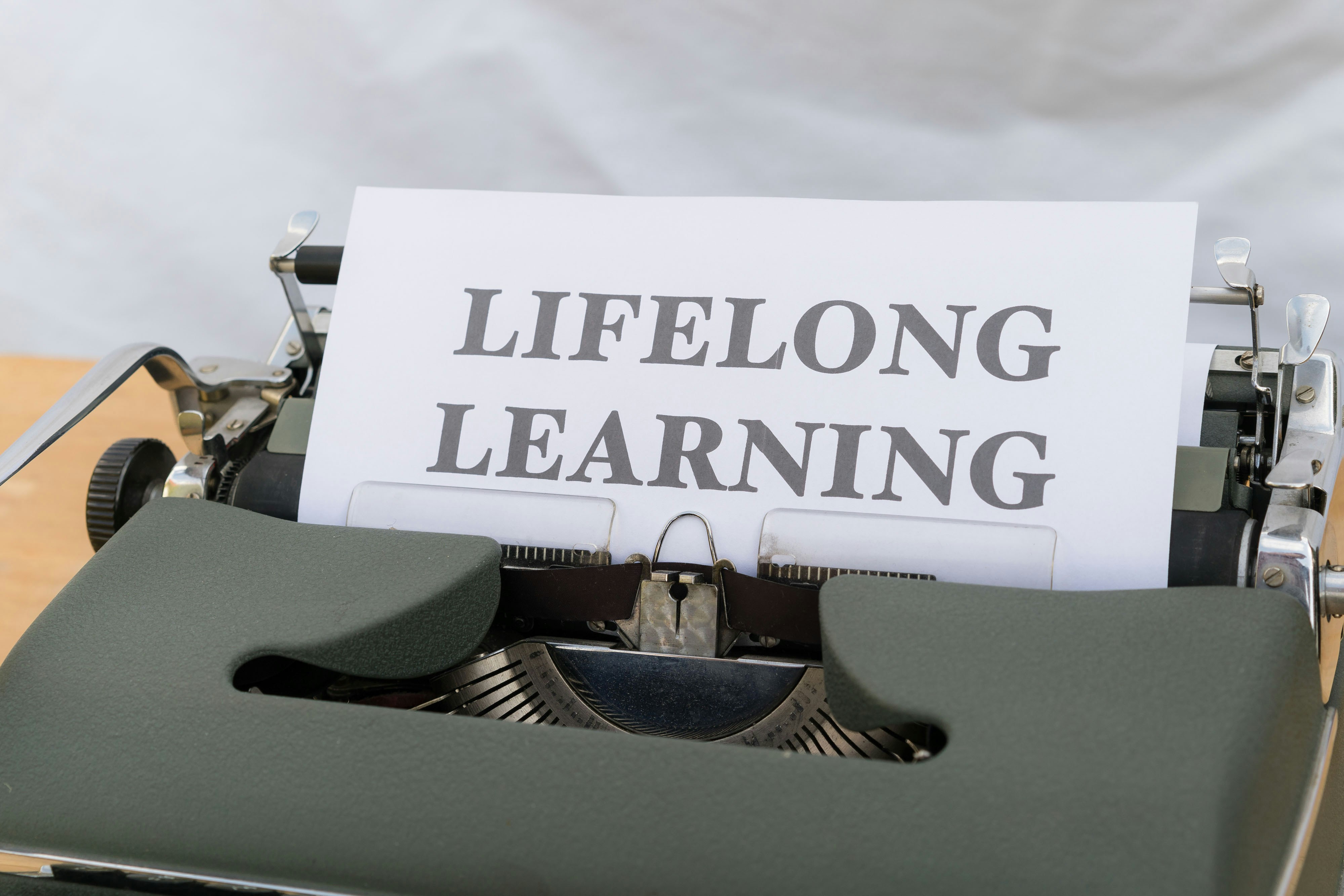
Lifelong learning is another critical component linked to the economic purpose of education. With industries evolving rapidly due to technological advancements, it is essential for individuals to continually update their skill sets. This ongoing education can take various forms, including workshops, online courses, and certifications. Such platforms facilitate career advancement, with many professionals attesting to the positive impact of lifelong learning on their job prospects and personal growth.
Illustrating the strong connection between education and career opportunities, consider examples from fields such as information technology and healthcare. Graduates with degrees in computer science or nursing often find themselves in high demand, with companies and medical facilities seeking qualified candidates to fulfill essential roles. These scenarios highlight the significance of the economic purpose of education, showcasing how structured educational pathways can lead to successful employment outcomes and individual economic stability.
In conclusion, the preparation for employment, as one of the four purposes of education, plays a pivotal role in shaping not only the workforce but also the overall economic landscape. By prioritizing relevant education, societies can foster growth and enhance opportunities for all individuals.
Personal Purpose of Education: Individual Development and Fulfillment
The personal purpose of education extends beyond mere academic achievement; it profoundly impacts individual development and self-fulfillment. Education serves as a catalyst for emotional intelligence, creativity, and lifelong learning, which are essential components of personal growth. As individuals engage with educational materials and collaborate with peers, they not only acquire theoretical knowledge but also cultivate essential life skills that contribute to their overall character and identity.
One of the key aspects of personal development through education is the enhancement of emotional intelligence. This involves the ability to understand and manage one’s emotions as well as empathize with others. Educational environments that encourage discussion, reflection, and teamwork facilitate the growth of emotional intelligence, which is crucial for effective interpersonal relationships and personal well-being. By learning to navigate emotional landscapes, students develop resilience that equips them to handle life’s challenges more effectively.
Moreover, education encourages creativity by fostering an environment where innovative thinking is promoted. Through engaging in diverse subjects and problem-solving tasks, individuals learn to think outside the box, explore various perspectives, and express themselves creatively. This creative outlet not only enriches personal satisfaction but also fuels a lifelong passion for learning and exploration.
In addition, lifelong learning is an integral part of an individual’s personal purpose in education. The journey of self-improvement does not conclude with formal education; instead, it is a continuous process that encourages individuals to seek knowledge and grow throughout their lives. This unwavering commitment to growth promotes a sense of fulfillment, as individuals constantly strive to become the best versions of themselves, aligning with their personal values and aspirations.
In conclusion, the personal purpose of education emphasizes the significance of individual development. It highlights how education not only equips individuals with essential knowledge and skills but also plays a crucial role in fostering emotional intelligence, creativity, and lifelong learning, proving to be invaluable for leading a meaningful and productive life.
This content has been prepared by the Studentanswers editorial team for educational and informational purposes only. We recommend consulting a qualified professional before making any personal decisions.