Introduction to Smart Cities
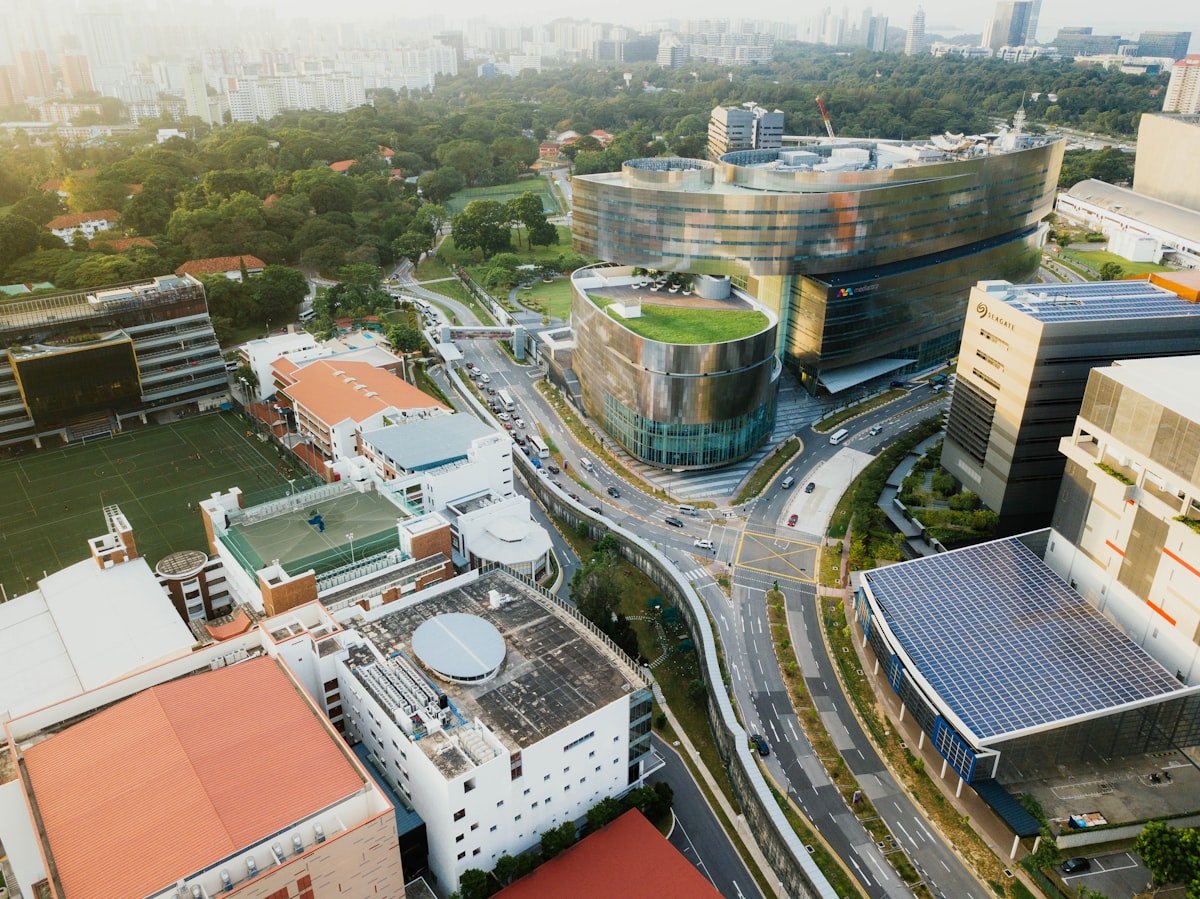
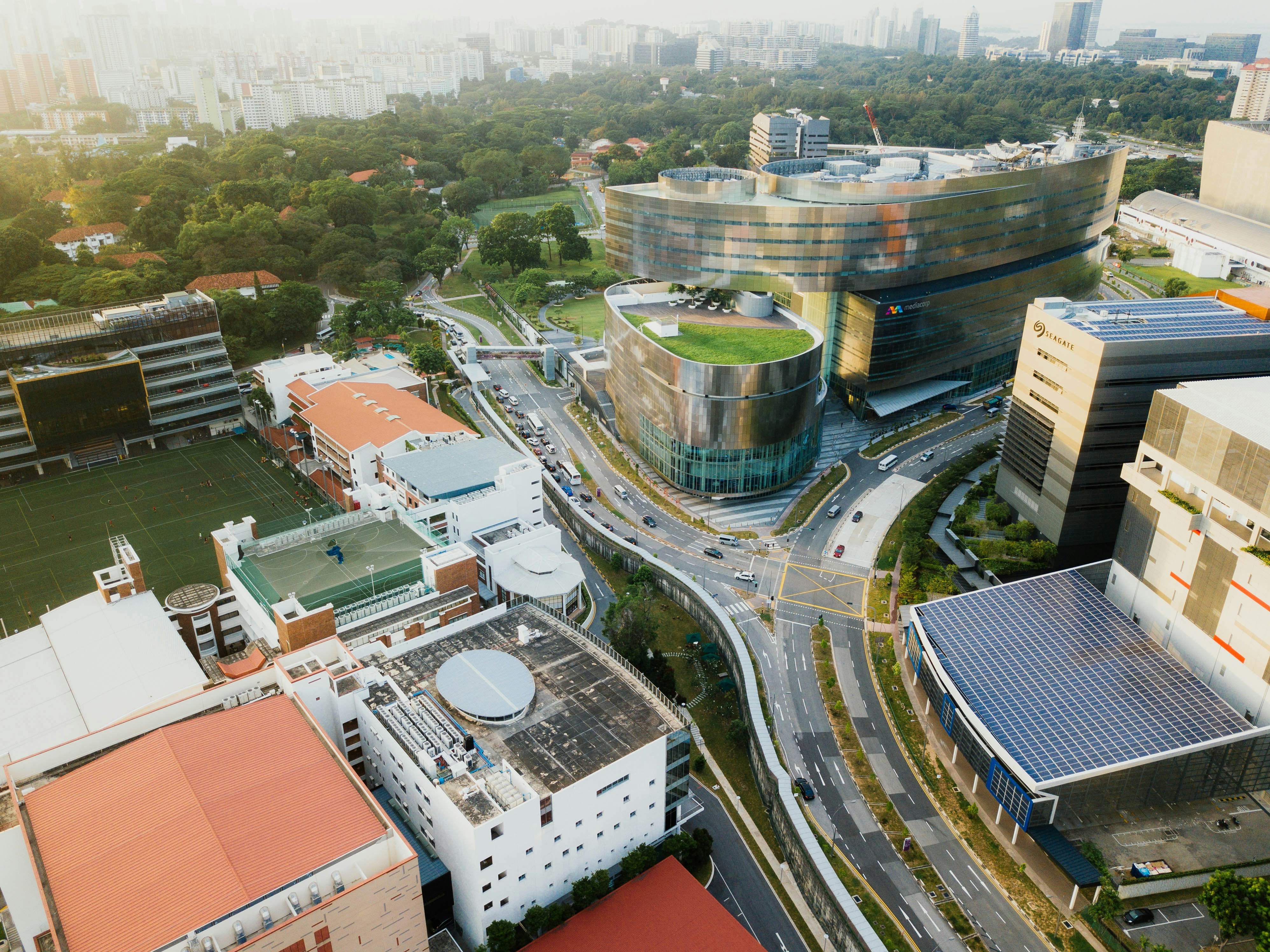
In recent years, the concept of smart cities has emerged as a significant development in urban planning, representing a transformative approach to managing urban life through the integration of advanced technology. Smart cities use advanced technology to improve urban living, adopting a range of interconnected systems that enhance transportation, energy efficiency, and safety. These innovations aim not only to streamline operational processes within cities but also to create a more cohesive living environment for residents.
At the core of smart city initiatives is the utilization of data and connectivity. By embedding sensors and devices throughout urban spaces, cities can monitor various parameters in real-time, allowing for immediate responses to issues such as traffic congestion and energy consumption. This data-driven approach facilitates a profound overhaul of how urban systems operate, resulting in the creation of more efficient communities that are better equipped to handle the challenges of modern urbanization.
Moreover, the interconnected nature of smart cities fosters greater collaboration among city services, enabling them to work cohesively. For instance, transportation systems can be linked with energy management solutions, creating a symbiotic relationship that maximizes efficiency and reduces waste. These connected systems enhance transportation, energy, and safety, providing a more resilient and responsive urban landscape.
In summary, smart cities represent a paradigm shift in city planning, where advanced technology and data analytics play pivotal roles in achieving urban sustainability and enhancing inhabitants’ quality of life. By prioritizing innovation in this manner, cities not only meet the immediate needs of their populations but also pave the way for a more sustainable and prosperous future.
The Role of Advanced Technology in Urban Living
The emergence of smart cities signifies a transformative phase in urban living, primarily driven by advanced technologies such as the Internet of Things (IoT), big data analytics, artificial intelligence (AI), and cloud computing. These innovations work synergistically to enhance the way cities function, making urban environments more connected and responsive to the needs of their inhabitants.
The Internet of Things plays a critical role in the advancement of smart cities. Through interconnected devices and sensors embedded in urban infrastructure, real-time data collection becomes possible. This data is then analyzed to derive insights that can facilitate better resource management, from optimizing traffic flow to improving waste management. For instance, intelligent traffic lights can adjust timings based on actual vehicle congestion, significantly reducing travel time and carbon emissions. This exemplifies how smart cities use advanced technology to improve urban living.
Moreover, big data analytics empowers city planners by processing vast amounts of information, enabling them to make informed decisions and predictions about urban trends. For example, analyzing population density data can help municipal authorities anticipate the need for additional public transport services. In conjunction with AI algorithms, cities can implement predictive maintenance for infrastructure by identifying potential issues before they escalate, thereby enhancing safety and efficiency.
Cloud computing serves as the backbone for these interconnected systems, offering scalable resources for data storage and processing. It allows for efficient management and retrieval of information across various city departments, ensuring that they can collaborate effectively. As a result, community services become more responsive and streamlined, enhancing residents’ overall quality of life.
Through the integration of these advanced technologies, smart cities create more efficient communities, fostering a sustainable environment where urban spaces can thrive. As such, the development and deployment of these technological innovations are paramount in shaping the future of urban living.
Enhancing Transportation Systems
Smart cities use advanced technology to improve urban living by fostering connected systems that enhance transportation, energy, and safety. One of the most significant advancements in this area is the implementation of smart traffic management systems. These systems utilize real-time data analysis to monitor traffic flow, identify congestion points, and adjust traffic signals dynamically, thereby reducing waiting times and emissions produced by idling vehicles. This not only aids in managing heavier traffic volumes but also contributes to overall improved air quality in urban areas.
Moreover, public transportation apps have transformed the way residents navigate urban environments. These applications provide real-time information on bus and train schedules, enabling users to plan their journeys more efficiently. By facilitating seamless connections between different modes of public transit, these tools help reduce reliance on private vehicles, thus alleviating traffic congestion and promoting the use of environmentally friendly transportation alternatives.
Another key innovation is the advent of autonomous vehicles, which are anticipated to revolutionize urban mobility. These self-driving cars have the potential to minimize accidents caused by human error, decrease traffic congestion through optimized driving patterns, and ultimately lead to enhancements in public safety. In smart cities, the integration of autonomous vehicles with existing transportation infrastructure allows for better communication between vehicles and traffic management systems, enabling an even slicker flow of movement through the urban landscape.
The continuous evolution of these transportation technologies reinforces the idea that connected systems enhance transportation, ultimately creating more efficient communities. As cities move increasingly towards these innovations, they lay the groundwork for a future where urban living is characterized by improved mobility, reduced travel times, and an overall better quality of life for residents.
Optimizing Energy Management
In the pursuit of sustainable urban living, smart cities use advanced technology to improve energy management systems. By leveraging smart grids, these urban areas enhance the distribution and consumption of electricity. Smart grids facilitate real-time data exchange between energy suppliers and consumers, allowing for more efficient energy use while minimizing energy loss. This innovative approach not only optimizes electricity distribution but also supports the integration of renewable energy sources, such as solar and wind, into the urban energy landscape.
Renewable energy sources play a crucial role in the energy management systems of smart cities. These sources are becoming integral to reducing reliance on fossil fuels and minimizing carbon emissions. By harnessing local resources, such as solar panels on residential and commercial buildings, smart cities can create decentralized energy systems that promote energy independence. This shift towards sustainability is further enhanced by connected systems that monitor energy usage patterns, enabling cities to balance demand and supply effectively.
Additionally, energy-efficient buildings are another significant aspect of optimizing energy management in urban areas. These structures are designed with advanced materials and technologies that reduce energy consumption, such as high-performance insulation, energy-efficient lighting, and smart heating and cooling systems. Incorporating these features into new construction and retrofitting existing buildings ensures that urban environments contribute to overall energy savings. Furthermore, smart cities often utilize building management systems that optimize energy use based on occupancy patterns and weather conditions, resulting in a smarter, more sustainable approach to urban living.
Overall, the integration of smart grids, renewable energy sources, and energy-efficient buildings exemplifies how smart cities transform energy management. These innovations not only create more efficient communities but also lay the groundwork for a sustainable urban future. Energy management optimization underscores the vital role that technology plays in enhancing the quality of life in urban settings.
Improving Public Safety and Security
In the dynamic landscape of urban living, public safety and security have emerged as paramount concerns for city dwellers. As cities evolve into smart cities, they increasingly incorporate advanced technologies to enhance the safety of their residents. These smart cities use advanced technology to improve urban living, employing a variety of connected systems that enhance transportation, energy management, and safety measures. The integration of technology not only makes urban environments more efficient but also significantly contributes to improved public safety.
One of the key components of safety in smart cities is the deployment of sophisticated surveillance systems. These systems utilize high-resolution cameras and real-time monitoring to deter criminal activities and quickly identify threats. Coupled with artificial intelligence algorithms, they can analyze data patterns to detect anomalies, thereby allowing law enforcement agencies to respond proactively to potential incidents. This real-time data collection enhances the overall efficacy of law enforcement and emergency services, ensuring that they can act swiftly in critical situations.
Moreover, advancements in emergency response technologies play a crucial role in urban safety. Smart cities leverage connected systems that streamline communication between emergency responders and residents. These systems ensure that alerts can be disseminated rapidly in case of a crisis, facilitating quicker evacuations or emergency medical responses. Additionally, predictive policing strategies, which utilize data analytics to assess crime trends and allocate resources effectively, further bolster the safety framework in smart environments.
By embracing these innovative technologies, smart cities significantly contribute to creating safer urban spaces. Enhanced public safety through the integration of surveillance systems, emergency response tools, and predictive policing not only reassures residents but also fosters a sense of community well-being. The collective utilization of these advancements serves communities by reducing crime rates and improving overall public security, reinforcing the commitment to safe urban living standards.
Enhancing Waste Management
The management of waste in urban environments is undergoing a significant transformation through the implementation of smart technologies. These innovations are vital as cities strive to improve urban living, thereby ensuring that the frameworks underpinning waste management become more effective and sustainable. Smart cities use advanced technology to improve urban living, and waste management is a quintessential facet of this initiative.
One of the key components of modern waste management is the introduction of smart bins. Equipped with sensors, these bins can monitor their fill levels and send real-time data to waste management services. By utilizing this information, cities can optimize collection routes and schedules, thus reducing unnecessary trips and associated carbon emissions. This connected system enhances transportation efficiency while promoting a cleaner environment. Moreover, the capability to track waste generation patterns allows city planners to identify trends and tailor waste disposal strategies to the specific needs of their communities.
In addition to smart bins, waste tracking technologies provide another layer of innovation in urban waste management. These systems employ IoT (Internet of Things) devices to monitor waste collection and disposal metrics, facilitating better decision-making for city officials. This live data management ensures that cities can react promptly to issues such as overflow or missed collections, resulting in improved community satisfaction. Furthermore, with community engagement initiatives—such as recycling education programs—cities can foster a culture of sustainability, encouraging residents to participate actively in waste reduction efforts. As a result of these comprehensive approaches, smart cities improve both waste management practices and public awareness regarding sustainability.
These innovations, when effectively implemented, create more efficient communities, ultimately allowing urban areas to better manage their resources and enhance the quality of life for their residents. By employing smart waste management solutions, cities exemplify how connected systems enhance transportation, energy, and safety, while significantly contributing to sustainability efforts.
Fostering Community Engagement
Smart cities use advanced technology to improve urban living, but the benefits of these innovations extend beyond infrastructure improvements; they also encourage meaningful community engagement. Emphasizing active participation, these urban environments integrate platforms that facilitate communication between citizens and local authorities. Tools such as mobile applications, social media channels, and community forums allow residents to voice their opinions, report issues, and provide feedback on various urban initiatives.
One significant aspect of community engagement in smart cities is the emphasis on transparency and accessibility. By utilizing connected systems, municipalities can share real-time data on city services, ongoing projects, and local events. Citizens gain insights into how their city operates and the decision-making processes involved in shaping urban policies. Enhanced access to information fosters trust between the community and local authorities, ultimately leading to higher public participation rates.
Moreover, innovative platforms enable residents to collaborate on projects that directly impact their neighborhoods. For example, participatory budgeting tools encourage citizens to propose and vote on budget allocations for community projects, ensuring that spending aligns with the needs and preferences of those who live there. This participatory approach not only helps prioritize essential services but also strengthens community bonds, as people feel a greater sense of ownership over their urban environment.
In addition to digital platforms, smart cities also promote face-to-face engagement through workshops, public forums, and neighborhood events. These gatherings provide opportunities for community members to connect with one another and share ideas about improving their surroundings. By prioritizing such interactions, urban planners can better understand the diverse needs and aspirations of the residents, adapting policies accordingly. Thus, fostering community engagement complements smart city initiatives, as citizens become integral partners in shaping their urban landscape.
Economic Benefits of Smart Cities
The transition to smart cities brings forth a myriad of economic benefits that significantly impact urban environments. As municipalities increasingly integrate technology into their infrastructure, the potential for job creation takes center stage. Smart cities utilize advanced technology, such as data analytics and connected systems, to enhance transportation, energy management, and safety. These innovations not only lead to streamlined operations but also foster a demand for skilled labor in fields such as information technology, engineering, and data science. The resulting job creation can invigorate local economies, providing residents with new employment opportunities.
In addition to job creation, smart cities offer efficiency savings that have profound implications for municipal budgets. By employing smart technologies for utilities management, cities can reduce waste, optimize energy consumption, and decrease maintenance costs. For instance, smart grids enable the monitoring of electricity use in real time, allowing cities to adjust the energy supply dynamically. Such improvements can lead to significant cost reductions while ensuring that residents benefit from enhanced services. Furthermore, these savings can be redirected to other critical areas such as education, healthcare, and infrastructure development.
Moreover, the implementation of connected systems enhances transportation, making it more efficient and reliable. Smart traffic management systems reduce congestion and improve overall transit times, leading to a more attractive urban environment for businesses and residents alike. Enhanced transportation systems can serve as a magnet for investment, attracting both national and international companies seeking to capitalize on improved access and logistics. As smart cities evolve, they create a competitive advantage that encourages economic vibrancy and diversifies the local economy.
In conclusion, the economic implications of transitioning to smart cities are profound. Job creation, efficiency savings, and the attraction of businesses are vital components that collectively contribute to developing and sustaining thriving urban environments.
Challenges and Considerations
As the concept of smart cities continues to evolve, it brings with it a set of challenges and considerations that must be addressed to realize the full potential of such urban spaces. One of the foremost concerns is data privacy. Smart cities rely heavily on the collection and analysis of vast amounts of data to enhance urban living. This data often includes sensitive personal information gathered from various connected systems. As the reliance on technology increases, so does the risk of data breaches and misuse, making it imperative for city planners and policymakers to prioritize stringent data protection measures.
In addition to privacy concerns, cybersecurity is another significant challenge. As urban environments become more interconnected through the use of advanced technologies, the potential for cyber attacks increases. A breach in the system managing transportation, energy, or safety measures could have catastrophic consequences for a city’s operations. Therefore, investing in robust cybersecurity measures and protocols is essential for safeguarding the infrastructure of smart cities and ensuring the continued safety of their inhabitants.
Moreover, the digital divide poses a critical issue as well. While smart cities use advanced technology to improve urban living, access to these technological innovations is not always equitable. Communities with limited access to internet connectivity or digital literacy often find themselves left behind in the age of smart cities. To create more efficient communities, it is crucial for city planners to consider inclusive strategies that ensure all residents can benefit from these advancements, regardless of socioeconomic status.
In conclusion, navigating the challenges associated with smart cities requires a thoughtful, inclusive, and comprehensive approach. By addressing data privacy, cybersecurity, and the digital divide, cities can implement technologies that enhance urban living while safeguarding the interests of all residents.
This content has been prepared by the Studentanswers editorial team for educational and informational purposes only. We recommend consulting a qualified professional before making any personal decisions.


