Introduction to Remote Work
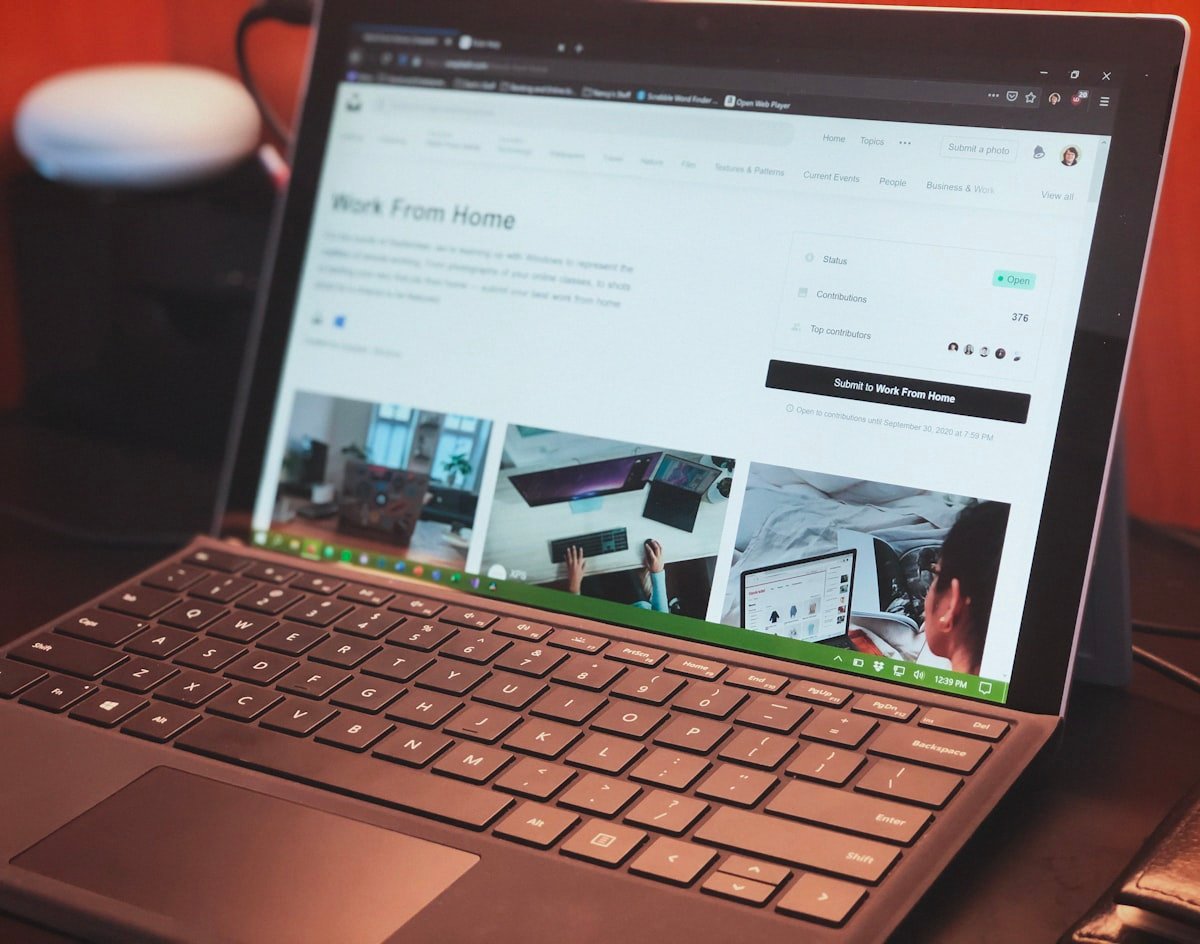
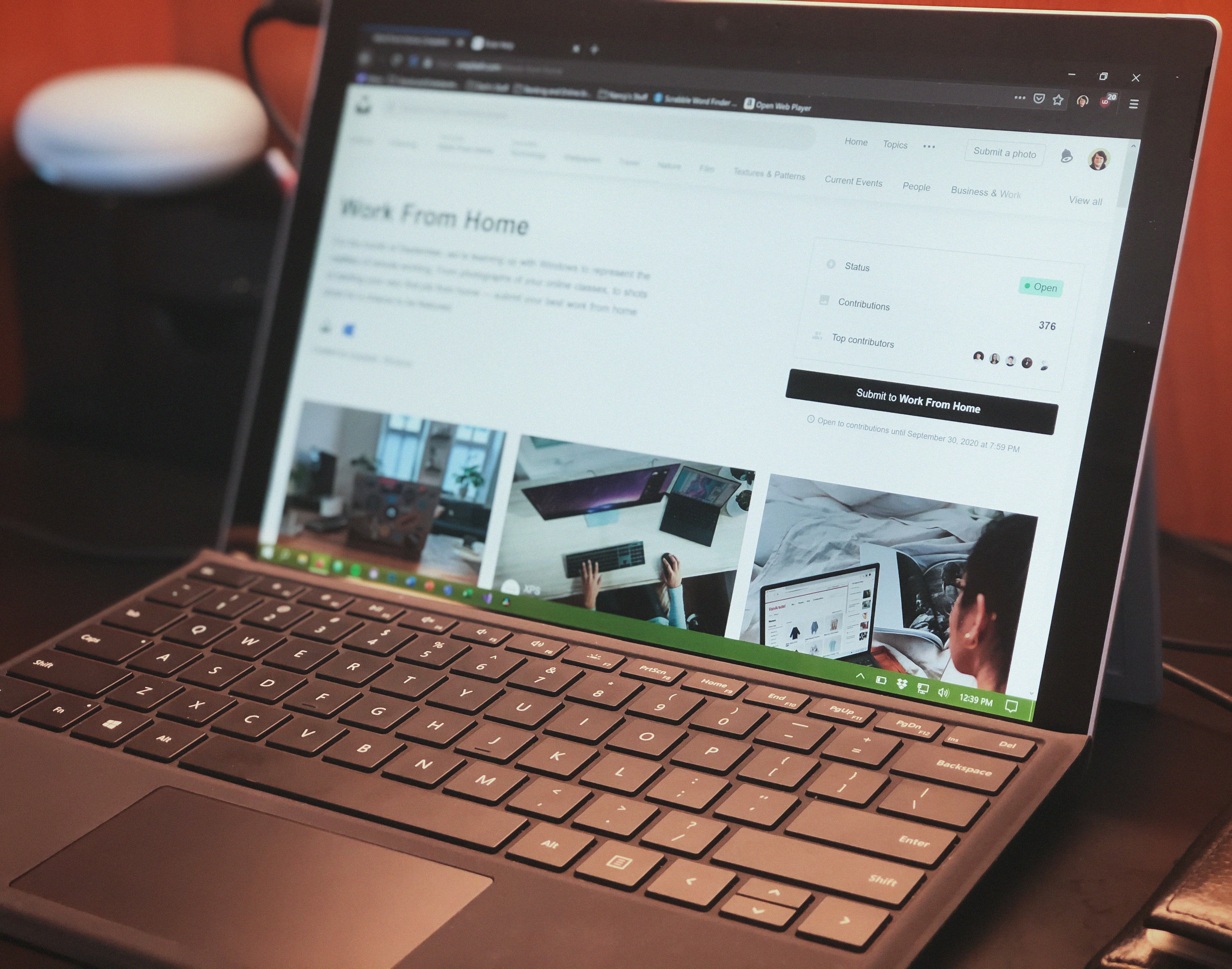
Remote work, a practice that allows individuals to perform their job duties outside the traditional office environment, has gained significant traction in recent years. The rise in remote work is largely attributed to rapid technological advancements, including high-speed internet, collaboration tools, and digital communication platforms. These innovations have enabled individuals to connect, share resources, and collaborate seamlessly, irrespective of geographical boundaries. Consequently, many companies now hire globally thanks to digital tools, embracing a diverse workforce that transcends location.
The increasing prevalence of remote work marks a pivotal shift in modern workforce dynamics. Organizations recognize the benefits of allowing employees to work from home or any location of their choice. This new approach not only elevates job satisfaction but also promotes a culture of trust and autonomy. Furthermore, remote work offers flexibility and improves work-life balance, allowing employees to tailor their schedules to meet personal and professional commitments effectively. As a result, many individuals find that they can manage their time better, attend to family obligations, and pursue personal interests while still fulfilling work responsibilities.
This trend reshapes modern workplace expectations, creating a paradigm where flexibility is not just an added benefit but a foundational aspect of employment. Employees now seek opportunities that accommodate their lifestyle needs, further driving the demand for remote arrangements. With more organizations embracing this model, it is becoming increasingly clear that remote work, enabled by advanced technology, will remain integral to the future of work. The ability to work remotely signifies an evolution in how organizations view productivity, accountability, and employee well-being, setting the stage for deeper discussions on enhancing work-life balance and flexibility within the workforce.
The Flexibility of Remote Work
The evolving landscape of employment has been significantly influenced by the flexibility that remote work offers. Employees are no longer confined to traditional office hours or locations, allowing them to customize their work schedules to align with personal commitments. This paradigm shift has triggered a positive change in how individuals approach their professional responsibilities, enabling them to engage more effectively with their work-life balance.
One of the most compelling advantages of remote work is the ability for employees to determine their work hours. This flexibility enables individuals to work during their most productive times, whether that is early in the morning or late into the evening. By aligning work with personal productivity peaks, many employees report enhanced performance and increased job satisfaction. Additionally, the elimination of daily commutes not only saves time but also reduces stress, further contributing to a better work-life balance.
The notion of working remotely also extends to geographical flexibility. With digital tools facilitating seamless communication and collaboration, employees can work from virtually any location, whether it be from the comfort of their home or while traveling. This versatility allows individuals to manage personal responsibilities—such as childcare, fitness regimes, and household tasks—more efficiently. As remote work becomes increasingly common, more companies are embracing this model, recognizing how it significantly attracts talent and retains employees. Furthermore, as many companies now hire globally thanks to digital tools, the remote work trend has reshaped modern workplace expectations, promoting a culture that values productivity and well-being over traditional metrics of presence.
In conclusion, the flexibility of remote work not only empowers employees to manage their schedules but also enhances their overall job satisfaction and productivity. As we look towards the future, it is clear that this model will continue to redefine the work experience, placing a strong emphasis on improving work-life balance for employees worldwide.
Work-Life Balance in the Remote Era
The rise of remote work has fundamentally altered the way individuals approach their professional and personal lives. As many companies now hire globally thanks to digital tools, employees are increasingly able to enjoy a level of flexibility unprecedented in traditional office settings. A recent survey indicated that over 70% of remote workers reported improved work-life balance, citing the ability to tailor their work hours to better suit personal commitments as a key advantage. This shift has been instrumental in reducing stress and preventing burnout, which often stem from rigid work schedules and lengthy commutes.
Remote work offers flexibility and improves work-life balance by allowing individuals to create a workspace that best fits their needs. Employees can personalize their environments to enhance productivity, whether that involves working from home, a co-working space, or any other location that inspires them. Research shows that this form of autonomy can lead to increased job satisfaction, engagement, and overall well-being. The ability to manage work responsibilities alongside family obligations, personal interests, or leisure activities contributes significantly to a healthier and more balanced lifestyle.
Moreover, remote work promotes a culture that prioritizes results over hours spent at a desk. Employers are increasingly focusing on outcomes and performance, granting their teams the autonomy to decide when and how they work. This paradigm shift not only reflects an evolving understanding of productivity but also contributes to relieving the pressure of traditional work environments. As this trend reshapes modern workplace expectations, it is clear that the flexibility afforded by remote work plays a crucial role in enhancing employees’ quality of life. Consequently, organizations that embrace this model will likely experience higher retention rates and an overall boost in morale.
Global Hiring: Expanding Talent Pools
The rise of remote work has revolutionized the traditional hiring landscape, enabling companies to tap into a vast, diverse talent pool. With the integration of digital tools, organizations can now hire candidates from anywhere in the world, which has significant implications for both the companies and the job market. The ability to select from a broader spectrum of applicants allows employers to find the most suitable talent for their needs, regardless of geographical constraints. This approach not only enhances the quality of the workforce but also fosters innovation as diverse teams bring varying perspectives and ideas to the table.
Furthermore, companies that embrace this trend are better positioned to adapt to the demands of a global economy. By hiring globally, organizations gain access to specialized skills that may be scarce in their local markets. This strategic advantage can significantly enhance productivity and drive business growth. The flexible nature of remote work also contributes to improved work-life balance for employees, which can lead to higher job satisfaction and retention rates. When talented individuals can work from locations that suit their lifestyle, they are likely to feel more engaged and productive.
<phowever, a="" advantages="" and="" as="" away="" balance,="" beyond="" borders="" candidates="" candidates,="" challenges.="" challenges.
The Role of Digital Tools in Remote Work
The rise of remote work has been greatly facilitated by an array of digital tools and technologies designed to enhance communication, collaboration, and productivity. These innovations are reshaping modern workplace expectations, enabling many companies to hire globally thanks to digital advancements. Communication platforms, such as Slack, Zoom, and Microsoft Teams, have become essential for remote teams. They allow for real-time messaging, video conferencing, and file sharing, effectively bridging the gap created by physical distance. This accessibility not only streamlines communication but also fosters a sense of community among remote employees.
In addition to communication, project management software like Asana, Trello, and Monday.com plays a crucial role in organizing tasks and managing workflows in a remote setting. These platforms allow teams to track progress, assign responsibilities, and set deadlines—all from anywhere in the world. This level of organization is pivotal for maintaining productivity and ensuring that projects remain on schedule. With remote work offers flexibility and improves work-life balance, employees can more effectively manage their personal commitments while still meeting professional obligations.
Collaboration tools, such as Google Workspace and Dropbox, further enhance the remote working experience by enabling employees to work together on documents and projects, regardless of location. These digital solutions allow for simultaneous editing and version control, which reduces the potential for miscommunication and error. As remote work continues to evolve, these tools not only support existing workflows but also encourage innovative practices that can lead to improved efficiency and job satisfaction. The overall impact of such technologies is significant, making remote work increasingly viable and attractive for both employers and employees alike.
Reshaping Workplace Expectations
The shift towards remote work has significantly altered the landscape of workplace expectations. As organizations increasingly embrace remote work offers flexibility and improves work-life balance, employees are re-evaluating what they want from their jobs. This transformation is evident in the prioritization of flexible working conditions and autonomy over traditional workplace policies. Many employees now value the ability to manage their own schedules, choose their work environments, and maintain healthier life-work integration.
As companies expand their recruitment efforts globally, supported by advanced digital tools, they recognize the growing demand for adaptable work arrangements. This global hiring trend is propelled by employees wanting to work in ways that suit their lifestyles, contributing to a collective shift in corporate culture. The flexibility allowed by remote work also enhances productivity, as individuals can tailor their work environments to boost their efficiency and job satisfaction. Companies, therefore, are adapting their policies to cater to these evolving employee preferences, leading to a more dynamic organizational culture.
Moreover, the emphasis on work-life balance often attracts a diverse talent pool that may have previously felt constrained by conventional office settings. The ability to work from any location opens doors for individuals with varying needs and responsibilities, including caregivers and those living in remote areas. As a result, modern workplace expectations are not merely about physical presence in an office but about fostering a culture that values results and well-being. In this evolving scenario, organizations that prioritize employee flexibility and autonomy are likely to attract and retain top talent, thereby securing their competitive advantage in the market.
Challenges of Remote Work
While the shift to remote work offers remarkable flexibility and enhances work-life balance, it is essential to address the challenges that come with this model. One of the primary issues is the communication barrier that can arise when team members are not physically present in the same location. Misunderstandings can occur more frequently without non-verbal cues and immediate feedback, leading to potential conflicts and decreased productivity. To mitigate this, companies should invest in reliable communication tools and encourage regular check-ins through video calls and team collaboration platforms.
Another significant challenge is the feeling of isolation that remote employees may experience. Without daily interactions with colleagues, individuals may find themselves struggling with loneliness, which can affect mental health and job satisfaction. To counteract this, companies can foster a sense of community by organizing virtual social events, promoting team-building activities, and encouraging informal communication among team members. These practices can help create a supportive network, making the remote work experience more fulfilling.
Maintaining company culture presents another challenge for organizations transitioning to remote work. The traditional office environment naturally promotes a sense of belonging and camaraderie among employees. In a remote setting, this aspect can be diminished, potentially impacting employee loyalty and engagement. Companies can address this issue by establishing clear values and expectations, while also incorporating regular updates about company initiatives to keep remote workers connected to a common purpose. Furthermore, recognizing and celebrating individual and team achievements can enhance morale and foster a positive work culture.
By proactively addressing these challenges, organizations can leverage remote work’s flexibility, ensuring that employees remain engaged and productive while benefiting from an improved work-life balance. This ongoing evolution highlights the importance of strategic adaptation in reshaping modern workplace expectations.
The Future Outlook of Remote Work
The COVID-19 pandemic undoubtedly accelerated the shift towards remote work, revealing its potential to enhance flexibility and improve work-life balance. As we look to the future, it is evident that the trend of remote work is here to stay. Many companies are re-evaluating their traditional workplace structures and are now embracing digital tools that facilitate global hiring. This transformation not only broadens the talent pool but also reshapes the expectations of modern workplaces.
As businesses adapt to this new reality, hybrid work models are gaining traction. A hybrid approach incorporates both remote and on-site work, allowing employees to choose where they feel most productive. This flexibility is invaluable, providing employees the opportunity to balance personal commitments with professional responsibilities. Consequently, companies that adopt hybrid models may find themselves at an advantage in attracting and retaining talent, particularly among younger generations who prioritize work-life balance.
Furthermore, as organizations implement remote work policies, they must also prioritize effective communication and collaboration. The reliance on digital tools not only supports connectivity but also fosters a culture of inclusivity, as employees can work from anywhere in the world. This global approach to hiring enables companies to build diverse teams, which can lead to increased innovation and creativity, further enhancing the overall effectiveness of the workforce.
Looking ahead, the successful integration of remote work within corporate structures will depend on how employers balance flexibility with productivity. As organizations continue to refine their policies and equate adaptability with success, the future of work will likely become more tailored to individual needs. The emphasis on employee well-being and job satisfaction will play a critical role in shaping the evolving landscape. Undoubtedly, remote work offers a glimpse of the future where flexibility and balance are paramount.
Conclusion
In reflecting upon the evolving landscape of work, it is evident that remote work offers flexibility and improves work-life balance for many professionals. The shift towards a remote-centric environment has not only transformed how individuals interact with their jobs but has also prompted organizations to reconsider their operational models. The embrace of digital tools facilitates this transition, enabling many companies to hire globally. This advancement reshapes modern workplace expectations, allowing for a more diverse workforce equipped to operate from various locations.
The benefits of remote work extend beyond mere location; they fundamentally enrich employee quality of life. Individuals now have the opportunity to create a customized work environment that suits their personal needs, often leading to enhanced productivity and satisfaction. Flexibility in scheduling enables employees to allocate time for personal tasks, family commitments, and self-care, contributing to an improved overall well-being. By promoting a healthier work-life balance, businesses can foster an engaged workforce that is more loyal and motivated.
As organizations adapt to this new reality, acknowledging the significance of remote work and its role in shaping future employment trends is critical. Employers who invest in robust remote work policies and support systems are likely to gain a competitive advantage in attracting top talent across the globe. The future of work is burgeoning with possibilities, as remote work continues to redefine traditional expectations and norms, paving the way for a more inclusive and adaptable workforce.
Overall, the acceptance of remote working arrangements remains a pivotal element in enhancing employee satisfaction and accommodating modern lifestyle demands. The landscape is shifting, and it is essential for both employees and employers to recognize and embrace these changes for a mutually beneficial future.
This content has been prepared by the Studentanswers editorial team for educational and informational purposes only. We recommend consulting a qualified professional before making any personal decisions.


