

The Great Frank Ocean Disappearance
The Enduring Enigma of Frank Ocean: A Deep Dive into His Artistry and Influence
In the fast-paced world of modern music, where constant engagement and a steady stream of content are the norm, one artist stands apart by embracing silence. Frank Ocean, the elusive genius behind some of the 21st century’s most acclaimed albums, has built a legendary career not just on his profound musical talent but also on his mystique. The long, agonizing wait between his debut album, Channel Orange (2012), and his sophomore masterpiece, Blonde (2016), became a cultural phenomenon in itself. Today, years later, the world still waits with bated breath for his next move, a testament to the powerful, lasting impact of his work.
This article explores the journey of Frank Ocean, from his early days as a songwriter to his status as a cultural icon. We will delve into the themes and sounds that define his music, analyze his unique approach to artistry in the digital age, and understand why his influence continues to resonate so deeply with fans and critics alike.
The Genesis: From Songwriter to Breakout Star
Before he was Frank Ocean, he was Christopher “Lonny” Breaux, a talented young songwriter from New Orleans. After his recording studio was destroyed by Hurricane Katrina, he moved to Los Angeles to pursue his music career more seriously. He quickly made a name for himself as a ghostwriter, penning tracks for superstars like Beyoncé, Justin Bieber, and John Legend. While successful, this behind-the-scenes role was never his end goal. It was a means to an end, a way to learn the industry from the inside while honing his unique voice.
His first major step into the spotlight was as a member of the anarchic hip-hop collective, Odd Future. Alongside artists like Tyler, the Creator and Earl Sweatshirt, Ocean provided a soulful, melodic counterbalance to the group’s often abrasive sound. It was during this period that he released his debut mixtape, Nostalgia, Ultra (2011), to critical acclaim. The project, with its creative use of samples from artists like Coldplay and The Eagles, showcased his incredible talent for storytelling and his ability to blend R&B with indie, pop, and electronic influences. It was a bold statement of intent that announced the arrival of a major new talent.
A Cultural Milestone: The Arrival of Channel Orange
If Nostalgia, Ultra was the introduction, Channel Orange was the magnum opus that solidified Frank Ocean’s place in the musical pantheon. Released in 2012, the album was a game-changer. It was a sprawling, cinematic work that explored complex themes of unrequited love, social class, and spirituality with unprecedented honesty and vulnerability. Musically, it was a rich tapestry of funk, soul, jazz, and psychedelic pop, held together by Ocean’s incredible vocal range and poetic lyrics.
Just before the album’s release, Ocean published an open letter on his Tumblr blog, detailing a past romantic relationship with another man. In a genre often dominated by hyper-masculinity, this was a courageous and groundbreaking act. It re-contextualized many of the songs on Channel Orange, adding layers of depth and poignancy. Tracks like “Thinkin Bout You,” “Bad Religion,” and the ten-minute epic “Pyramids” became anthems for a generation. The album earned him a Grammy Award for Best Urban Contemporary Album and established him not just as a great musician, but as an important cultural voice.
The Great Hiatus and the Art of Anticipation
Following the monumental success of Channel Orange, Frank Ocean did the unexpected: he largely disappeared from the public eye. For four long years, fans were left to speculate, creating a mythos around his absence. Rumors of a new album, tentatively titled Boys Don’t Cry, swirled constantly. Every cryptic blog post, every rumored studio session, was dissected for clues. This prolonged silence was a masterclass in marketing through scarcity. In an age of over-exposure, Ocean’s elusiveness made his return all the more anticipated. His absence created a void that no other artist could fill, cementing his unique position in the industry.
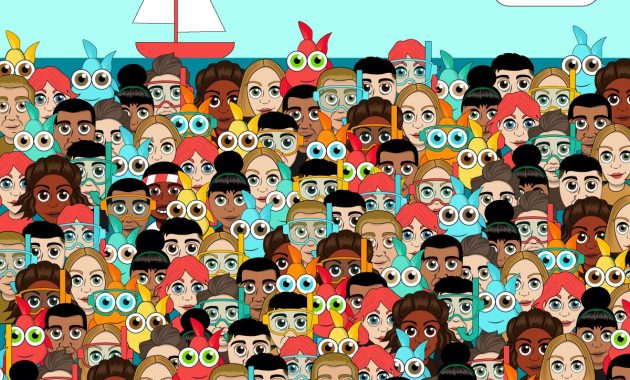
The anticipation reached a fever pitch, becoming a source of countless internet memes and articles. It was during this period of intense waiting that his elusiveness became legendary. As a playful nod to his MIA status, our friends at Stylight even gave him the “Where’s Wally?” treatment, creating an illustration that perfectly captured the feeling of searching for Frank in a sea of noise.
The Triumphant Return: Endless and Blonde
In August 2016, the wait was finally over, but not in the way anyone expected. First came Endless, a 45-minute black-and-white visual album streamed exclusively on Apple Music. The project, which showed Ocean building a spiral staircase in a warehouse, was a beautiful, ambient collection of songs that served as a clever fulfillment of his contractual obligations with his former label, Def Jam. It was the appetizer.
Just a day later, he independently released the main course: Blonde. The album was a stark departure from the lush production of Channel Orange. It was minimalist, atmospheric, and emotionally raw. Featuring an all-star list of uncredited contributors like Beyoncé, Kendrick Lamar, and André 3000, Blonde was a deeply personal reflection on love, memory, and identity. Its stripped-back arrangements, pitch-shifted vocals, and non-linear song structures challenged conventional pop formulas. Songs like “Nikes,” “Ivy,” and “Self Control” are devastatingly intimate, capturing the bittersweet ache of nostalgia and heartbreak with breathtaking clarity. Blonde was not just an album; it was an experience. It topped charts worldwide and is widely regarded as one of the best albums of the decade, a timeless piece of art that continues to reveal new layers with every listen.
Life After Blonde: An Artist on His Own Terms
Since the release of Blonde, Frank Ocean has continued to operate on his own enigmatic timeline. He has eschewed the traditional album cycle in favor of sporadic single releases, dropping gems like “Chanel,” “Biking,” and “In My Room” whenever the inspiration strikes. He has also expanded his creative pursuits beyond music, launching his independent luxury brand, Homer, which specializes in high-end jewelry and silk scarves. This move further solidifies his status as a multi-disciplinary artist who refuses to be confined to a single medium.
His infrequent public appearances, like his headlining performance at Coachella, become major cultural events. Every move he makes is analyzed, a testament to the powerful connection he has forged with his audience. By controlling his own narrative and releasing art on his own terms, he has created a sustainable and authentic career model that prioritizes creative integrity over commercial demands. He proves that an artist doesn’t need to be constantly visible to be culturally relevant. In fact, in his case, the silence between the notes is just as powerful as the music itself.
What’s Next for Frank Ocean?
The question on every fan’s mind is always: what’s next? While a new album is perpetually rumored and hoped for, predicting Frank Ocean’s next move is a fool’s errand. His career is a testament to the power of patience and the importance of artistic freedom. Whether his next project is a film, a fashion line, or another generation-defining album, one thing is certain: when he is ready to share it, the world will be ready to listen. His legacy is already secure, built on a foundation of quality, vulnerability, and an unwavering commitment to his own unique vision.