
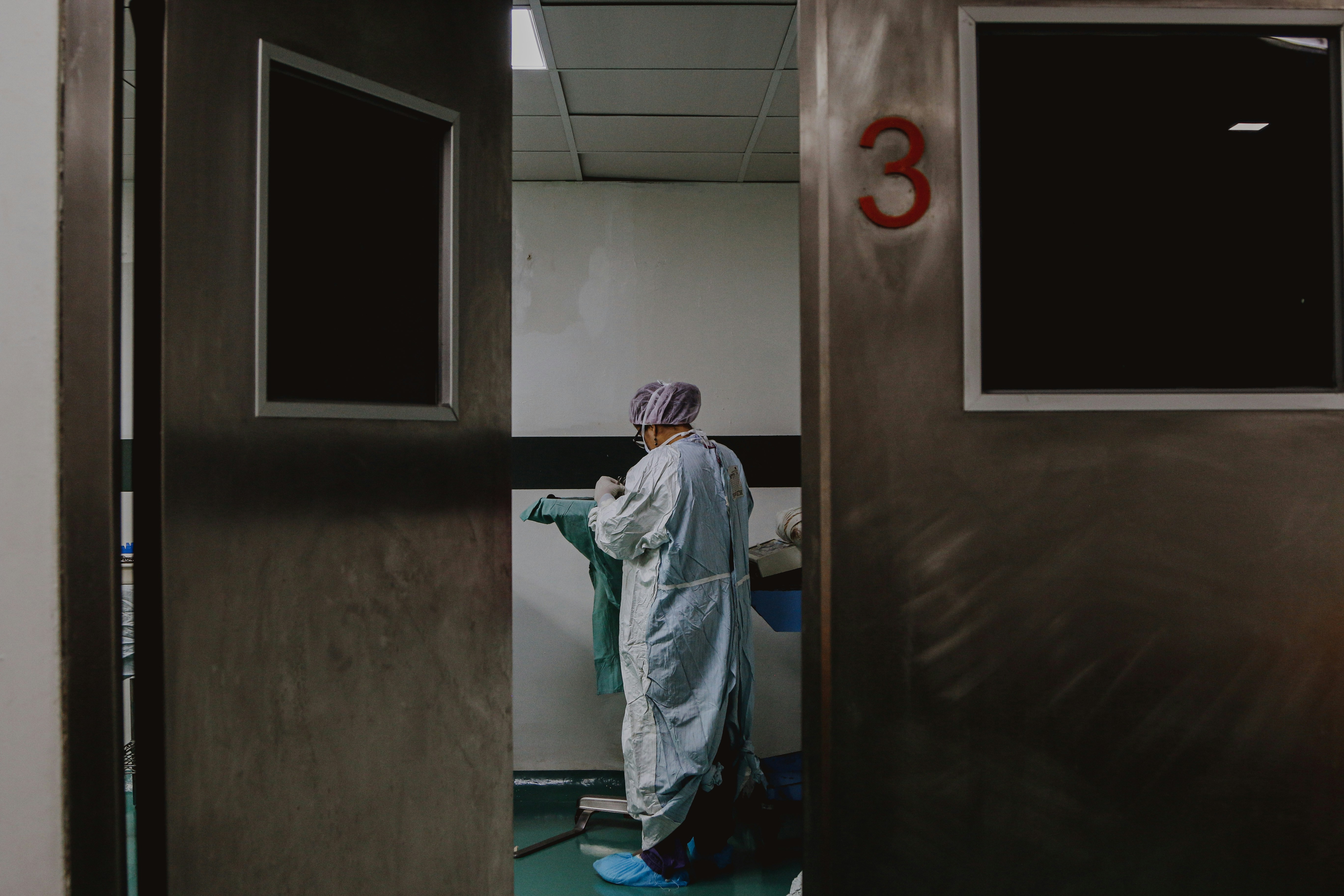
Understanding the Role of Medical Assistants
Medical assistants are integral members of the healthcare team, often serving as the bridge between patients and healthcare providers. Their responsibilities typically encompass a blend of clinical and administrative tasks, making them versatile and essential to healthcare operations. On a daily basis, medical assistants may be responsible for patient intake, recording medical histories, conducting routine diagnostic tests, administering medications, and assisting with minor surgical procedures. Additionally, they handle scheduling appointments, managing medical records, and processing insurance claims, which are crucial for the seamless functioning of medical practices.
The importance of medical assistants cannot be overstated. They play a pivotal role in ensuring that healthcare facilities run efficiently, enabling healthcare providers to focus on delivering high-quality patient care. Their ability to multitask and manage various responsibilities allows physicians and nurses to devote more time to patient treatment and care. Moreover, they are often the first point of contact for patients, which places them in a unique position to influence the patient’s experience and satisfaction.
It is important to distinguish between general medical assistants and those who pursue specialty roles. While general medical assistants perform a broad spectrum of tasks, specialists focus on specific areas such as surgical assistance, dermatology, or cardiology. Medical assistants who pursue specialty roles—such as surgical assisting or dermatology—can earn substantially more than their general counterparts. These specialized roles often require additional certifications or experience, which can lead to higher wages and increased job security. Education typically involves completing an accredited training program and obtaining certification, which can further enhance employability and earning potential.
In essence, understanding the diverse roles and responsibilities of medical assistants highlights their critical contributions to healthcare, while also illuminating the potential for earnings growth through specialization.
Diving into Specialty Roles
Medical assistants play a critical role in healthcare, supporting various functions within clinical settings. While general medical assistants provide essential care and administrative support, those who specialize can enhance their earning potential significantly. One question frequently raised by aspiring professionals is, “which medical assistant makes the most money?” The answer often points to specific specialties that offer higher salaries due to the complexity of the tasks involved and the increased demand for specialized skills.
One prominent specialty is surgical assisting. In this role, medical assistants prepare patients for surgical procedures, assist during operations, and help with postoperative care. This position typically requires additional training and certifications, such as a surgical assistant credential, but can yield compensation that markedly exceeds that of a general medical assistant.
Another area where medical assistants can see heightened earnings is dermatology. Specialists in this field work closely with dermatologists to treat skin disorders, perform biopsies, and assist with cosmetic procedures. The demand for qualified dermatology medical assistants has surged in recent years, and those who are skilled in this area often enjoy a lucrative salary alongside the opportunity to participate in innovative treatments.
Cardiology is yet another specialty where medical assistants can capitalize on their expertise. These professionals support cardiologists in diagnosing and treating heart-related conditions, often involving tasks such as conducting electrocardiograms (EKGs) and monitoring patients during stress tests. With the growing prevalence of cardiovascular diseases, the need for skilled medical assistants in this specialty is on the rise.
Overall, medical assistants who pursue specialty roles—such as surgical assisting, dermatology, or cardiology—can earn substantially more than their general counterparts. These roles often require additional certifications or experience but pay off with higher wages and greater job security. By investing in specialized training and knowledge, medical assistants can find more fulfilling career paths while maximizing their earning potential.
Financial Benefits of Specializing
In the evolving landscape of healthcare, medical assistants who choose to specialize often experience significantly elevated financial rewards compared to their generalist counterparts. This disparity in earnings can be primarily attributed to the specialized skills and knowledge that these professionals acquire, enabling them to meet the specific demands of various medical fields. For instance, surgical assistants, dermatology, and cardiology specialists typically earn more than general medical assistants, reflecting the specialized training and certifications they possess.
Salary comparisons reveal a notable difference; general medical assistants typically earn an average annual salary in the range of $34,000 to $40,000, whereas those in specialized roles can see salaries that exceed $50,000, and potentially reach up to $70,000, depending on geographic location and clinical experience. These figures highlight that the question “which ma gets paid the most?” leans heavily toward specialists in their respective fields. Moreover, areas with a high demand for specific medical services tend to offer better compensation for specialty medical assistants, underscoring the regional discrepancies that influence salaries.
Other factors contributing to higher earnings include the potential for overtime opportunities and bonuses. Many specialty medical assistants are required to work on-call shifts or handle emergencies, which can lead to increased hours and, consequently, higher wages. Additionally, healthcare facilities may offer incentives to attract talent in specialized areas, further enhancing financial prospects. As the demand for specialized medical services continues to rise, medical assistants who pursue these paths not only secure better job security but also experience a significant boost in their earnings, fostering both personal and professional growth within a competitive job market.
Path to Specialization: Certifications and Experience
Transitioning from a general medical assistant role to a specialized position requires a combination of additional certifications, training, and relevant experience. Medical assistants who pursue specialty roles—such as surgical assisting, dermatology, or cardiology—often experience a significant increase in earnings compared to their general counterparts. These specialties typically demand more advanced skills and knowledge, which can be obtained through focused educational programs and certifications.
Initial steps toward specialization usually involve enrolling in accredited certification programs specific to the desired field. For instance, the National Healthcareer Association (NHA) offers certifications for various specialties, such as the Certified Medical Assistant (CMA) and the Certified Clinical Medical Assistant (CCMA). Additionally, pursuing specialized credentials, such as the Certified Surgical Technologist (CST) for surgical assisting or the Dermatology Medical Assistant (DMA) designation for dermatology roles, can enhance one’s qualifications and appeal to employers.
Furthermore, obtaining hands-on experience in a specialized environment is crucial. This can be achieved through internships, externships, or part-time positions in clinics or hospitals that focus on the desired specialty. Networking within the industry—including attending professional conferences and joining relevant associations—can also provide medical assistants with valuable connections and insights into job opportunities that may not be advertised broadly.
Continuous education plays a vital role in maintaining relevance within specialized medical fields. It is essential for medical assistants to keep abreast of new developments, techniques, and technologies to sustain their competitive edge. As healthcare evolves, those who invest in their education and skill enhancement are more likely to achieve career advancement and increased earning potential in specialized roles. Overall, the path to specialization is structured yet flexible, allowing medical assistants to tailor their journey according to their career aspirations and interests.
This content has been prepared by the Studentanswers editorial team for educational and informational purposes only. We recommend consulting a qualified professional before making any personal decisions.


