

The Evolution of MBA Programs
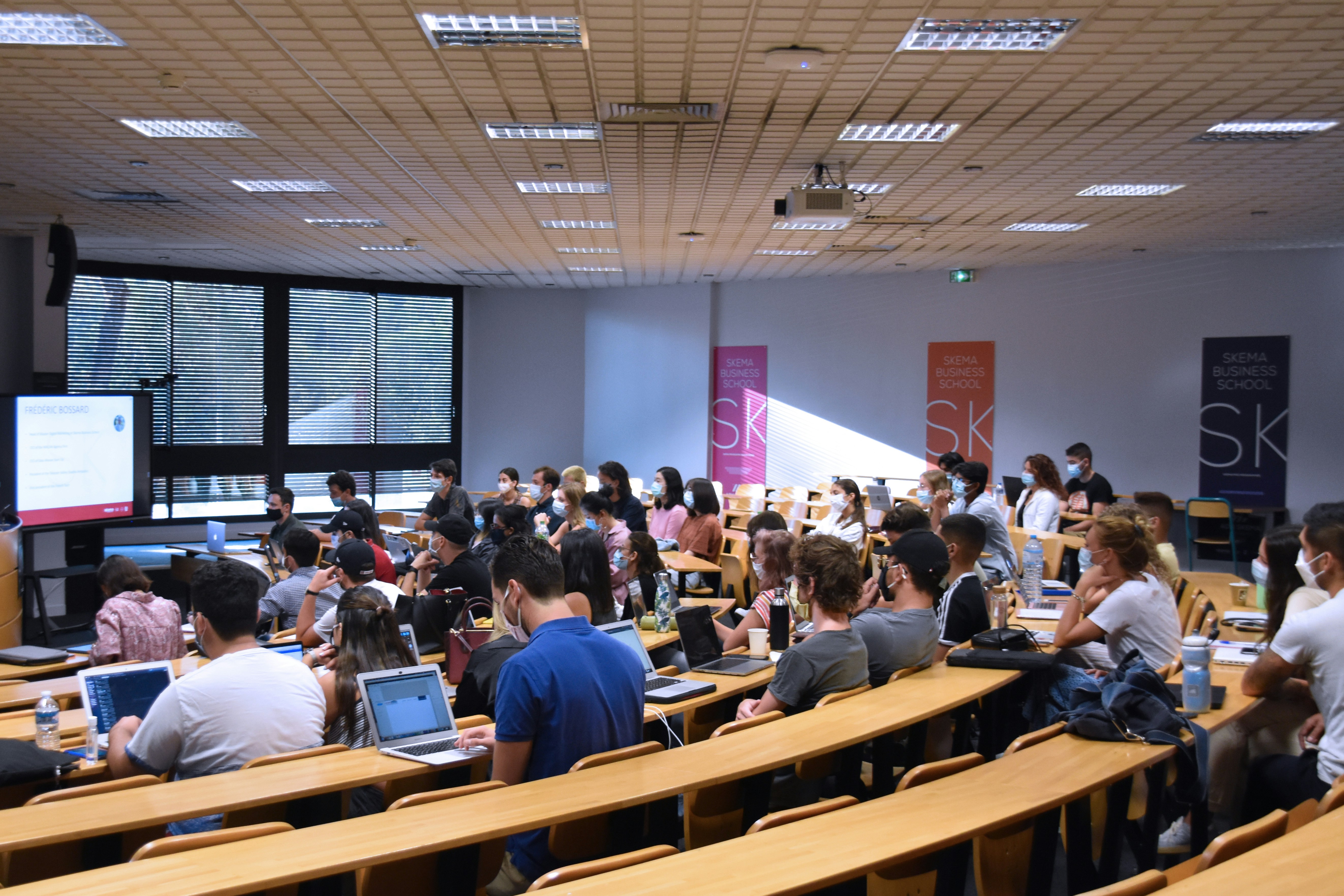
The Master of Business Administration (MBA) has long been recognized as a vital credential for those aspiring to excel in the business world. Traditionally, MBA programs were designed around a structured, on-campus experience, requiring students to attend classes in person and engage in face-to-face interactions with peers and faculty. This model served to foster networking and collaboration among students, which are essential components of effective business education. However, the landscape of education has significantly transformed in recent years, driven by advances in technology and the shifting preferences of students.
With the advent of online learning and the increasing integration of digital tools, MBA programs now include remote and hybrid options to meet student demand. This transition has been particularly appealing to many working adults who prefer an online degree path for flexibility. The rise of distance learning has allowed these individuals to balance personal and professional commitments while pursuing higher education, thereby widening access to MBA programs significantly.
The changing demographic of the student body has also influenced the evolution of MBA offerings. A more diverse group of students now seeks education that fits their unique needs and learning styles. As global business operations increasingly leverage technology, programs have adapted to include courses that address digital literacy and online collaboration. Furthermore, these programs improve chances of entering competitive graduate school environments by providing an avenue for students to remain actively engaged in their careers while pursuing academic achievements.
Overall, the evolution of MBA programs is emblematic of a broader trend in higher education, where flexibility, accessibility, and convenience are no longer optional but essential. As institutions continue to innovate and refine their curricula, the integration of remote and hybrid options is likely to remain a pivotal element of MBA programs, ensuring they meet the needs of modern students.
Understanding Student Demand for Flexibility
The increasing demand for MBA programs that now include remote and hybrid options is predominantly driven by the need for flexibility among working adults. As the professional landscape evolves, many individuals seek educational paths that accommodate their busy schedules, allowing them to balance work, family, and academic pursuits. This shift has illuminated the necessity for business schools to adapt their curriculum delivery methods to meet these changing requirements.
Work-life balance is a primary concern for many potential students. Traditional MBA programs often require significant time commitments both in and out of the classroom, which can be a deterrent for professionals who juggle various responsibilities. By offering online or hybrid formats, educational institutions can provide a more adaptable learning experience, allowing students to engage with course materials and complete assignments at their convenience. This flexibility not only supports individuals in managing their time effectively but also fosters a more inclusive educational environment.
Career advancement opportunities also drive the demand for remote MBA programs. Many working adults recognize the value of continuous education as a pathway to enhanced job performance and greater career prospects. As the job market becomes increasingly competitive, individuals may look to bolster their credentials through an MBA while maintaining their current employment. Programs tailored to accommodate working professionals facilitate this endeavor by allowing students to apply newly acquired skills in real-time within their jobs, enhancing the overall effectiveness of their education.
Additionally, numerous testimonials and statistics underscore this trend. A recent survey indicated that a substantial percentage of working adults prefer online degree paths, highlighting that institutions with flexible learning options improve chances of entering competitive graduate school environments. These findings reflect a fundamental shift in how education is perceived and pursued in today’s fast-paced world, making it crucial for business programs to continue evolving in response to student needs.
Benefits of Remote and Hybrid MBA Programs
The emergence of remote and hybrid MBA programs has transformed the landscape of higher education, particularly for working adults seeking to advance their careers. One primary advantage of these programs is their accessibility. Traditional MBA programs often come with rigid schedules and physical attendance requirements, which can be challenging for professionals juggling work and personal commitments. Conversely, remote and hybrid MBA programs now include remote and hybrid options to meet student demand, allowing students to engage with coursework from anywhere in the world, thus eliminating geographical barriers.
Moreover, the structure of these programs supports flexibility in learning. Many working adults prefer an online degree path for flexibility, as it grants them the ability to study at their own pace. This personalized approach not only accommodates varying schedules but also allows students to balance their professional responsibilities while pursuing their educational goals. As a result, learners can engage deeply with the material, enhancing their comprehension and retention of knowledge.
Another significant benefit is the exposure to a broad range of global perspectives. Online platforms often bring together students from diverse backgrounds, industries, and countries. This fusion of ideas and experiences enriches classroom discussions and fosters a collaborative learning environment. Such diversity is not only valuable for personal growth but also enhances networking opportunities, connecting students with potential collaborators, mentors, and leaders across various fields.
Additionally, enrolling in remote and hybrid MBA programs can substantially improve students’ chances of entering competitive graduate school environments. The skills and knowledge gained from these programs align with the evolving demands of the job market, making graduates appealing candidates. As business practices increasingly shift towards a global digital framework, the ability to navigate this landscape becomes indispensable for aspiring leaders.
Future Trends in MBA Education
The landscape of MBA education is poised for significant transformation as institutions adapt to the evolving needs of students. A notable trend is the increasing prevalence of remote and hybrid options in MBA programs. These formats offer flexibility that aligns well with the preferences of many working adults who are seeking to balance professional responsibilities with academic pursuits. As these programs proliferate, they are expected to play a crucial role in shaping the future of graduate education.
Technological advancements are likely to drive further enhancements to remote learning experiences. The adoption of sophisticated online platforms, advanced video conferencing tools, and interactive learning resources will create a more engaging and collaborative environment for students. As MBA programs now include remote and hybrid options to meet student demand, institutions are investing in the development of dynamic curricula that incorporate real-world case studies and simulations. This approach not only enriches the learning experience but also improves students’ chances of entering competitive graduate school environments.
Additionally, there is a growing emphasis on personalized learning paths within MBA programs. Institutions are leveraging data analytics and artificial intelligence to tailor educational experiences to individual student needs, allowing for a more customized and effective journey through the MBA curriculum. The variety of options available may lead prospective students to prioritize flexibility, interactivity, and relevance in their search for suitable programs.
Furthermore, as the global workforce continues to evolve, it is probable that MBA curricula will increasingly incorporate themes related to sustainability, diversity, and ethical leadership. This shift reflects a broader societal demand for leaders who are not only skilled in business management but also equipped to address pressing global challenges. As hybrid learning models become more entrenched, they will likely facilitate this integration of contemporary topics, better preparing graduates for the complexities of modern organizational environments.

