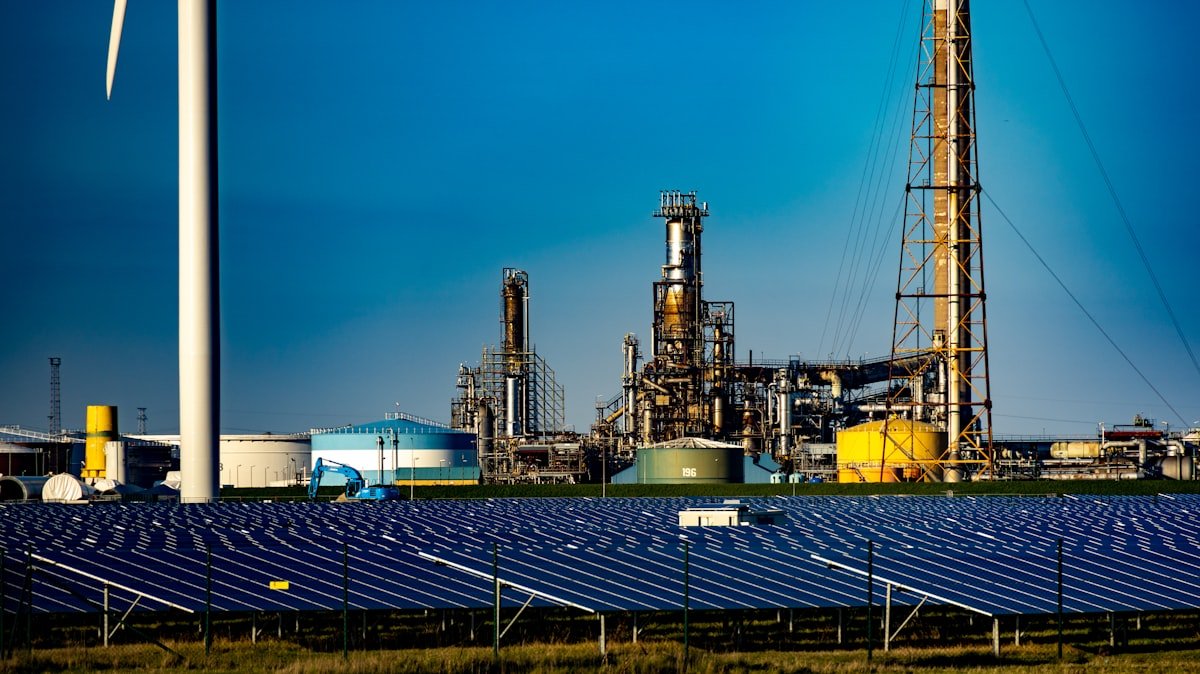
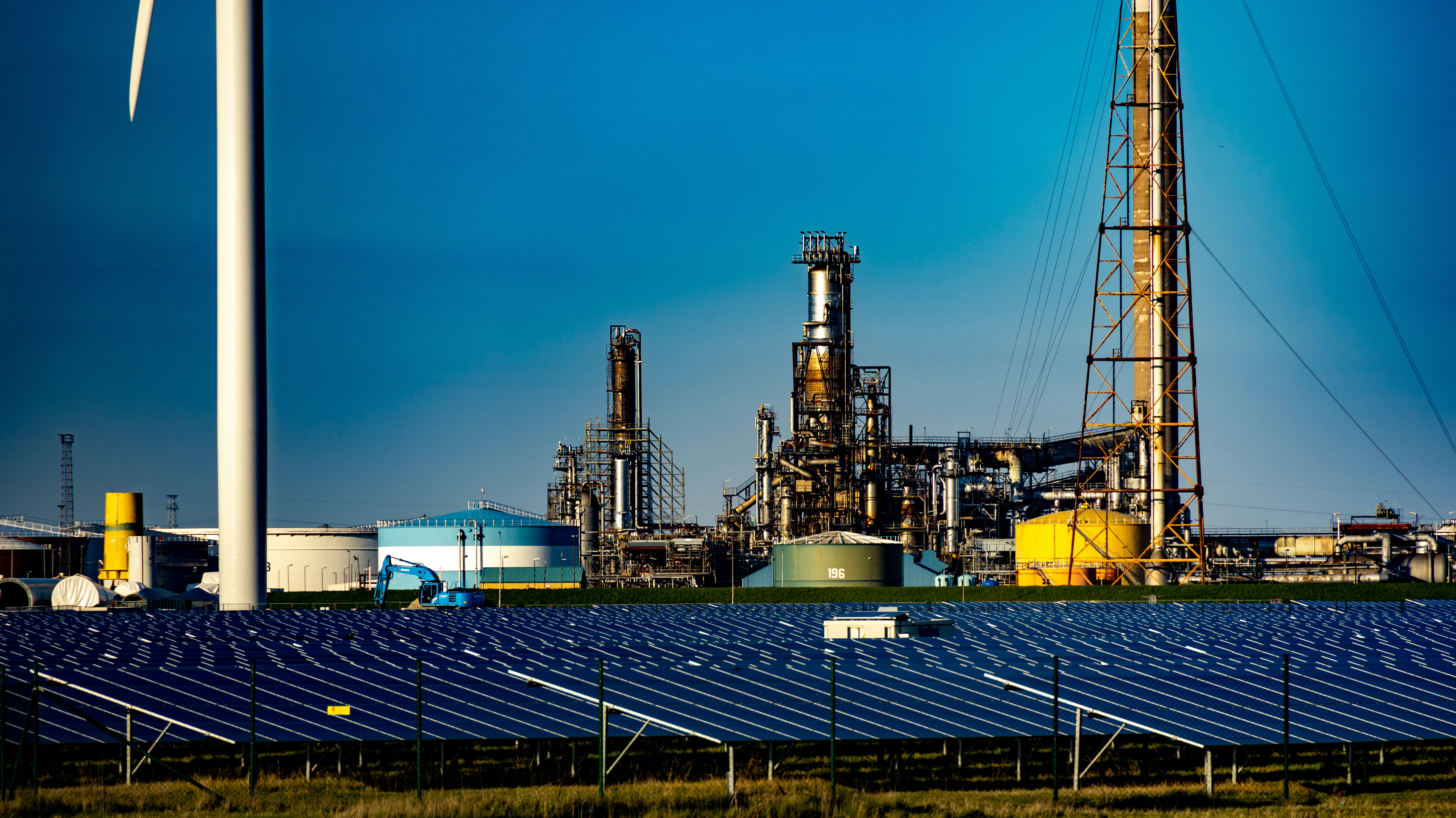
Introduction to Renewable Energy and Career Growth
Renewable energy refers to energy derived from natural processes that are replenished at a faster rate than they are consumed. It encompasses various sources, including solar, wind, hydroelectric, and geothermal power. As global concerns regarding climate change and environmental degradation grow, the importance of transitioning towards renewable energy becomes increasingly significant. This transition not only aims to reduce carbon emissions but also addresses energy security and sustainability challenges faced by many nations.
The rise of renewable energy presents a remarkable opportunity for career advancement in a rapidly developing sector. As countries around the world commit to ambitious climate targets and policies, investment in clean energy technologies is set to surge, driving substantial economic growth. This trend creates thousands of new career opportunities, ranging from engineers and technicians to policy analysts and project managers. Workers gain skills in solar, wind, and green engineering, preparing them for a diversified workforce that is essential for maintaining and expanding these energy systems.
Furthermore, the renewable energy sector is characterized by its dynamic nature, often adapting to technological advancements and evolving market demands. This continuous evolution fosters an environment where individuals can pursue lifelong learning and professional development. As the sector will continue expanding worldwide, the demand for qualified professionals is expected to outstrip supply, thus encouraging a unique synergy between education and career development in renewable energy fields.
In light of these developments, it is crucial to recognize the fundamental link between the adoption of renewable energy and job creation. The expansion of clean energy resources not only contributes to a sustainable future but also fosters economic growth through the creation of new careers. Thus, the understanding of renewable energy’s significance becomes essential for individuals seeking to navigate the evolving job landscape effectively.
The Impact of Renewable Energy on Job Creation
The transition to renewable energy sources is reshaping the employment landscape across the globe. According to recent reports, investments in renewable technologies such as solar and wind power have not only fostered environmental sustainability but have significantly contributed to job creation. The International Renewable Energy Agency (IRENA) reported that globally, the renewable energy sector employed about 12 million people in 2020, a number that has shown consistent growth annually.
This upward trend is underscored by substantial investments in renewables, which have been observed in various countries. For example, the United States alone witnessed the creation of approximately 250,000 jobs in 2020 attributed to the solar industry, while the wind sector added over 100,000 positions. These statistics highlight that renewable energy creates thousands of new career opportunities for workers, establishing a robust framework for sustainable employment.
Key Sectors within Renewable Energy Offering Career Opportunities
The renewable energy sector is a rapidly evolving industry that provides significant career opportunities across various domains. As the global demand for sustainable energy increases, sectors such as solar energy, wind power, hydroelectric projects, and green engineering are expanding, leading to the creation of thousands of new career opportunities. Each of these sectors requires skilled workers who are equipped to meet the challenges of modern energy production.
Solar energy is one of the most prominent sectors within renewable energy. The growth of solar technologies has been meteoric, with jobs ranging from installation and maintenance of solar panels to research and development roles focused on improving efficiency. Workers in this field gain essential skills in photovoltaics and energy management, ensuring they can contribute effectively to this dynamic industry. As more households and businesses integrate solar energy solutions, job prospects are expected to flourish.
Wind power presents another lucrative opportunity for aspiring professionals. With wind farms proliferating worldwide, there is a high demand for technicians and engineers skilled in turbine installation, maintenance, and design. Workers gain specialized expertise in aerodynamics and structural engineering, key components necessary for maximizing energy production from wind resources. This sector not only creates new jobs but also plays a vital role in reducing carbon footprints globally.
Hydroelectric power is also essential, utilizing the natural flow of water to generate energy. This sector requires workers skilled in fluid mechanics and environmental engineering to manage water resources responsibly. Job opportunities arise in project management, site assessment, and regulatory compliance, as the industry seeks to innovate and expand its capabilities sustainably.
Finally, green engineering is an interdisciplinary field that encompasses designing systems and processes that integrate renewable energy sources. Professionals in this area work on project design, engineering consultation, and policy advocacy, ensuring that renewable initiatives are environmentally sound and economically viable. As the renewable energy sector continues expanding worldwide, the demand for skilled workers in these areas will grow, solidifying their importance in creating a sustainable future.
Skills Needed in the Renewable Energy Workforce
The transition to renewable energy is not merely a shift in resources but also a significant transformation of the workforce. As the sector expands, it becomes increasingly essential for workers to possess both technical and soft skills tailored to the demands of renewable energy projects. Individuals seeking careers in this field must develop a robust understanding of core engineering principles that underlie solar, wind, and green technologies. Proficiency in environmental science is also critical, enabling workers to assess the ecological impacts of renewable energy projects and contribute to sustainable practices.
Additionally, project management skills are paramount in the renewable energy sector. Professionals must effectively manage timelines, budgets, and resource allocation to ensure successful project implementation. As the renewable energy industry continues to evolve worldwide, workers gain skills necessary to navigate complex regulatory environments and work within interdisciplinary teams. Familiarity with regulatory frameworks and compliance standards is vital for maintaining project viability and contributing to broader environmental objectives.
Beyond technical expertise, soft skills are equally vital. Effective communication and teamwork facilitate collaboration between engineers, environmental scientists, project managers, and policymakers. As renewable energy initiatives often involve multiple stakeholders, the ability to communicate clearly and work cohesively is crucial for success. Workers must also possess problem-solving skills to address unforeseen challenges during project execution.
The synergy of technical knowledge and interpersonal abilities will empower professionals to thrive in the dynamic field of renewable energy. By equipping themselves with these competencies, individuals will be well-prepared to take advantage of the promising growth of the renewable energy sector, which creates thousands of new career opportunities. As society shifts toward more sustainable energy solutions, the demand for skilled workers will only increase, underscoring the need for ongoing education and training in this area.
Education and Training Programs for Future Workers
The renewable energy sector is experiencing rapid growth, leading to an increased demand for skilled workers. To meet this need, a variety of education and training programs have emerged, offering numerous pathways for individuals aiming to enter this burgeoning field. Degrees in renewable energy engineering, vocational training, and online courses are just a few options available for prospective students and workers looking to gain relevant skills.
Many universities now offer specialized bachelor’s and master’s degree programs in renewable energy engineering, where students can study the principles of solar, wind, and other sustainable technologies. These programs not only cover traditional engineering concepts but also emphasize innovative solutions to challenges faced in the adoption and integration of renewable energy systems. A formal education in this regard equips graduates with the technical knowledge required to excel in various roles within the industry.
Beyond degree programs, vocational training is an excellent option for individuals seeking hands-on experience. Many technical schools offer certifications in solar panel installation, wind turbine maintenance, and other areas pivotal to the renewable energy sector. These programs often incorporate real-world applications through internships or apprenticeships, enabling workers to immediately apply their skills in professional settings.
Online education has significantly expanded the accessibility of training programs. Numerous platforms provide courses that cater to both beginners and advanced learners. These courses often cover diverse topics, including energy efficiency, green engineering principles, and the design of renewable energy systems. This flexibility allows individuals to learn at their own pace, making it easier for a diverse range of learners to participate in the growth of the sector.
As the renewable energy sector continues expanding worldwide, the opportunities for education and vocational training will also grow. By engaging in these programs, workers gain valuable skills in solar, wind, and green engineering that are essential for supporting the industry’s evolution and sustaining a future focused on renewable energy initiatives.
Regional Growth Trends in Renewable Energy Jobs
The demand for renewable energy jobs has seen a significant upturn in various regions across the globe, reflecting the world’s increasing commitment to sustainable practices. Countries like Germany, China, and the United States have become leaders in this sector, bolstered by supportive government policies, substantial investments, and a growing public interest in sustainability. These nations are not only generating renewable energy but are also creating thousands of new career opportunities for their citizens.
Germany, for instance, has pioneered initiatives like the Renewable Energy Sources Act, which provides incentives for wind, solar, and biomass projects. The result is a burgeoning labor market where workers gain skills in solar, wind, and green engineering, making the nation a model for others to emulate. The nation’s focus on the Energiewende policy has also stimulated growth in green jobs, particularly in renewable energy installations and maintenance, leading to the creation of approximately 400,000 jobs in the sector.
Meanwhile, China has established itself as a dominant force in the renewable energy market, making considerable investments in solar and wind energy systems. According to recent reports, China was responsible for nearly one-third of all new renewable energy jobs created globally in recent years. This growth is significantly driven by government initiatives and the nation’s ambitious climate goals, propelling a workforce skilled in various renewable technologies.
The United States has similarly witnessed a surge in renewable energy jobs, particularly in states like California and Texas, where favorable conditions for solar and wind energy production exist. Local and state policies promoting clean energy have also played a vital role in the sector’s expansion. As these regions continue to invest in renewable energy infrastructure, the potential for long-term job stability and economic growth in the green workforce remains promising.
As the sector continues expanding worldwide, it becomes increasingly clear that the transition to renewable energy not only addresses environmental concerns but also cultivates economic opportunities. Countries leading this charge have set precedents that, if replicated, could enable a broader international shift towards sustainable careers.
Challenges Facing the Renewable Energy Job Market
The renewable energy sector is rapidly expanding, driven by a global commitment to achieve sustainability and reduce the impact of climate change. Nevertheless, the rise in renewable energy creates thousands of new career opportunities, which come with distinct challenges that must be addressed for continued growth. One of the most significant obstacles is the need for continuous training and skills development among workers. As technologies evolve, professionals in the sector must remain adaptable and up-to-date with the latest advancements in solar, wind, and green engineering. This ongoing need for education and training necessitates collaboration between educational institutions and industry leaders to develop targeted programs that equip workers with the necessary skills.
Moreover, economic barriers could pose a challenge to the expansion of renewable energy jobs. While investments in renewable sources are increasing, the financial resources allocated for such initiatives may not be evenly distributed, leaving certain regions at risk of falling behind. Additionally, the volatility of the job market can be influenced by changes in government policy and regulations. Economic downturns or shifts in political priorities can lead to reduced investment and hinder job creation in the renewable energy sector.
Another factor to consider is the geographical disparity in job opportunities. While certain regions are better positioned to harness renewable resources, others may face infrastructural deficiencies or lack access to necessary technologies. This creates an imbalance in where renewable energy jobs are available, making it essential for stakeholders to develop strategies to ensure equitable access to opportunities, particularly in underrepresented areas.
Despite these challenges, the renewable energy sector presents significant potential for growth. By addressing the need for ongoing training and overcoming economic and political barriers, it is possible to establish a sustainable job market that supports the transition to a greener future. In conclusion, continued efforts will be essential to realize the full potential of renewable energy as a source of employment.
Future Prospects of Employment in Renewable Energy
As the world increasingly shifts towards sustainable practices, the renewable energy sector is set to experience significant employment growth in the coming years. Industry experts have predicted that this transition will create thousands of new career opportunities as nations commit to reducing their carbon footprints and investing in cleaner energy sources. The movement towards renewable energy is no longer a distant desire; it is a current necessity driven by climate change concerns, energy security, and declining costs of technology such as solar and wind energy.
According to various studies, the renewable energy sector will continue expanding worldwide, leading to an increased demand for skilled workers. This demand encompasses a wide range of professions, including engineers, technicians, project managers, and other specialized roles. Workers gain skills in solar, wind, and green engineering, enabling them to adapt to the evolving needs of this dynamic industry. The Department of Energy in numerous countries has forecasted that jobs in renewable energy will grow considerably faster than those in the fossil fuel industry.
Moreover, this sector is not only about quantity but also quality. The jobs created will often be higher in value and better paying, appealing to a more skilled workforce. Educational institutions are responding accordingly, revamping curricula to equip students with the necessary know-how to thrive in an increasingly green job market. This ensures that those entering the workforce are ready to meet the technological and practical challenges presented by a sector that emphasizes sustainability.
In conclusion, renewable energy creates thousands of new career opportunities, fostering economic growth while addressing environmental issues. As the global push for energy transformation persists, the prospect of employment in this field will undoubtedly remain bright, making it an attractive career path for those entering the workforce or seeking a change in their professional journey.
Conclusion: Embracing the Renewable Energy Revolution
As the world confronts the pressing challenges of climate change and environmental degradation, the shift towards renewable energy sources has emerged as a pivotal solution. This transition is not solely a matter of environmental necessity; it is also a gateway to a multitude of career opportunities across various sectors. The renewable energy sector is experiencing unprecedented growth, driven by advances in technology and a societal commitment to sustainability. Workers gain skills in solar, wind, and green engineering, which are highly sought after in today’s job market. This signifies that the renewable energy industry is not just a trend, but a vital component of economic and workforce development.
The rapid adoption of renewable energy technologies is creating thousands of new career opportunities that cater to a diverse range of skills and expertise. Professionals in engineering, project management, and energy consultancy will find an expanding job market as companies increasingly invest in sustainable practices. Furthermore, this sector offers positions for skilled labor, including installation and maintenance of renewable systems, as well as roles in research and development of innovative energy solutions. The demand for such expertise indicates that workers willing to invest in their education and training in these areas are likely to benefit from a stronger job outlook.
As governments and organizations globally commit to ambitious renewable energy targets, the workforce will need to adapt accordingly. The sector will continue expanding worldwide, promising not only environmental benefits but also significant economic advantages. Embracing this revolution can foster personal and professional growth, encouraging individuals to pursue careers that align with their values while contributing to a sustainable future. The opportunity to be part of this transformative movement is substantial, and now is the opportune time to engage in the renewable energy landscape.
This content has been prepared by the Studentanswers editorial team for educational and informational purposes only. We recommend consulting a qualified professional before making any personal decisions.


