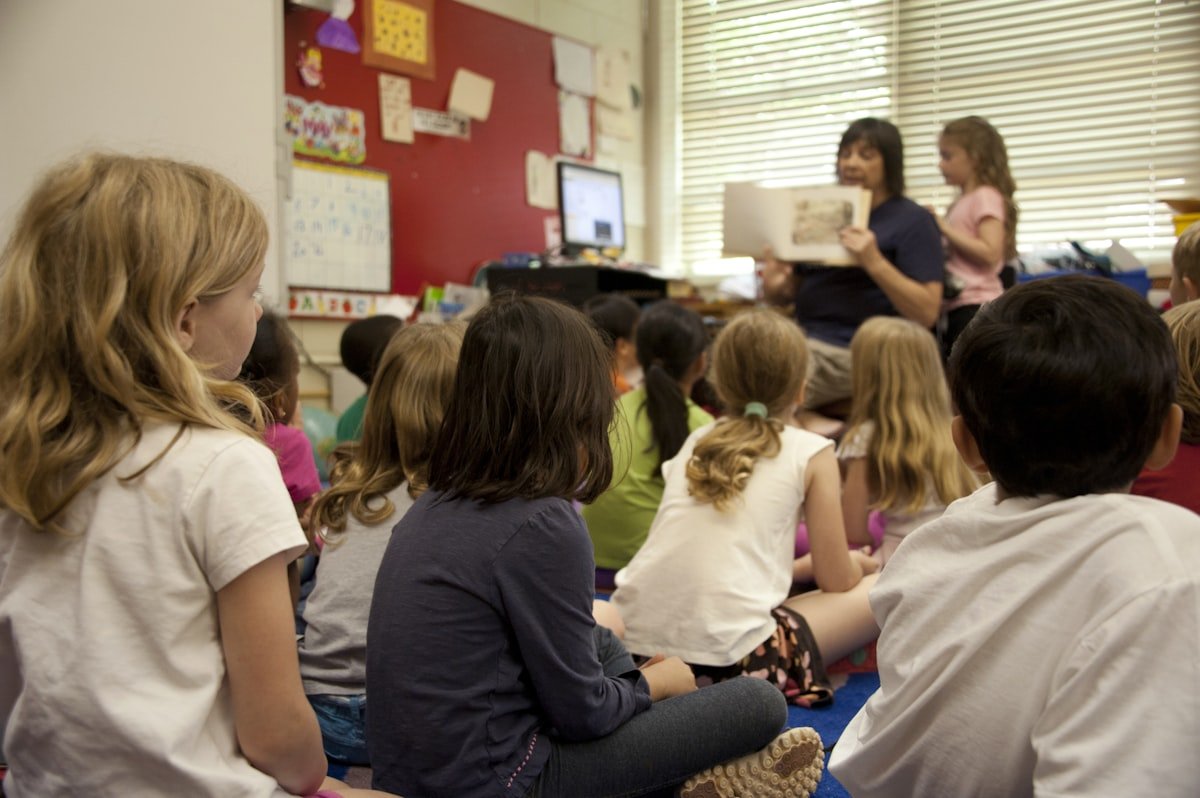
Introduction to the Power of Reading
Reading is a fundamental skill that plays a crucial role in the personal and intellectual development of individuals. It is an activity that transcends age, culture, and background, influencing the minds of young children to adults in profound ways. One of the most significant benefits of reading is its capacity to strengthen vocabulary and critical thinking. As individuals engage with diverse texts, they are introduced to new words and concepts, which enhances their language proficiency and comprehension abilities.
Moreover, regular reading serves as a mental exercise that promotes critical thinking skills. Readers are often required to analyze content, evaluate arguments, and draw conclusions based on the information presented. This analytical engagement fosters a mindset that is adept at problem-solving and informed decision-making, skills that are essential in both personal and professional realms. Additionally, reading stimulates the imagination, allowing readers to explore new worlds, perspectives, and emotions without leaving their familiar surroundings.
The benefits of reading extend beyond mere vocabulary enhancement and critical analysis. Engaging with literature has been shown to reduce stress, providing an escape from the pressures of daily life. A few minutes spent immersed in a captivating story can lead to a decrease in anxiety levels, promoting overall mental well-being. Furthermore, the diversity of genres available caters to various interests, ensuring that individuals of all ages can find material that resonates with them.
Understanding the transformative power of reading is essential. The act of regularly engaging with written content not only enriches our vocabulary but also sharpens our ability to think critically and creatively. With numerous advantages accompanying this habit, it is evident that reading is a vital component of lifelong learning and personal growth that benefits people across all age groups.
How Reading Enhances Vocabulary
Reading serves as a powerful catalyst for vocabulary acquisition, particularly due to its unique ability to expose individuals to new words in an array of contexts. When readers engage with diverse genres and styles—ranging from literary fiction to scientific articles—they encounter terminology that enriches their lexicon. This exposure not only introduces new vocabulary, but it also deepens understanding of words through contextual usage. Consequently, individuals become more adept at using these new terms effectively in their writing and speech.
One of the essential aspects of how reading strengthens vocabulary lies in its capacity to facilitate active learning. As readers process words within the rich tapestry of narrative or argument, they can glean meanings and nuances that would likely remain elusive in a more static form, such as flashcards or vocabulary lists. Engaging with language in this manner enables a more profound and lasting retention of new vocabulary. Thus, every book, article, or blog post becomes an opportunity to enhance one’s language skills.
To maximize vocabulary growth through reading habits, it is recommended that readers deliberately choose varied content. This can include integrating different genres and formats into their routines, such as novels, poetry, non-fiction, and even graphic novels. This approach fosters exposure to a broader range of vocabulary and varied sentence structures. Furthermore, readers can maintain a vocabulary journal, where they note down unfamiliar words, their definitions, and sample sentences to reinforce learning. Reinforcing these new words through use in conversation or writing further solidifies their understanding and integration into everyday language.
Regular reading benefits people of all ages, ensuring that vocabulary development is not confined to a specific demographic. By making reading a habit, individuals can cultivate an expansive vocabulary and empower their critical thinking, further enhancing both personal and professional communication.
The Role of Reading in Developing Critical Thinking Skills
Engaging with literature offers more than mere entertainment; it serves as a powerful training ground for critical thinking skills. When readers immerse themselves in complex narratives, they are prompted to analyze characters’ motives, evaluate conflicting viewpoints, and draw connections between the text and real-world circumstances. This level of engagement challenges the brain, stimulating the type of analytical thinking essential in today’s multifaceted environment. As readers encounter diverse perspectives, they learn to appreciate the nuances that shape arguments, thus enhancing their ability to critique and reason.
To cultivate critical thinking through reading, individuals can adopt several focused practices. Firstly, one effective method involves questioning the text actively. By posing inquiries related to the motivations of characters, the implications of various plot developments, and the significance of underlying themes, readers can deepen their understanding. This approach not only fosters comprehension but also sharpens evaluative skills, allowing individuals to assess the strengths and weaknesses of the narrative they are engaging with. Additionally, drawing comparisons between different works can further enhance analytical capabilities as readers explore contrasting techniques, themes, and messages.
Moreover, participating in discussions or book clubs can offer opportunities to articulate thoughts and defend interpretations, strengthening verbal reasoning and confidence in expressing diverse viewpoints. By collaborating with peers, readers encounter new ideas that may challenge their initial perceptions, integrating critical thinking with social interaction. Furthermore, it is essential to recognize that regular reading benefits people of all ages. Children exposed to literature develop a robust vocabulary and critical thinking early on, while adults can maintain and enhance these skills as they navigate increasingly complex texts.
Ultimately, reading not only strengthens vocabulary and critical thinking but also reduces stress and enhances imagination. Engaging with literature creates a space where deep reflection is possible, paving the way for informed decision-making and problem-solving in everyday life.
Reading as a Stress Reducer
In the fast-paced world we live in, stress has become a common companion for many individuals. The pressures of daily life can lead to heightened anxiety and decreased mental well-being. However, one of the most accessible and effective remedies for this is reading. Engaging with literature, whether it be fiction or non-fiction, provides individuals with an opportunity to escape their immediate environment, thus creating a much-needed respite from the stressors of everyday life.
Studies have shown that reading can significantly reduce stress levels. In fact, research conducted by the University of Sussex found that reading can lower stress by up to 68%, a more effective method of calming the mind than listening to music or going for a walk. This remarkable impact can be attributed to the immersive nature of reading; when individuals dive into a good book, they are transported into different worlds, allowing them to temporarily set aside their worries and refocus their minds. The act of losing oneself in a narrative not only promotes relaxation but also fosters mental clarity as one’s mind disentangles from real-world challenges.
Moreover, the calming effects of reading extend beyond mere escapism. Regularly engaging with text can enhance mental resilience and improve one’s ability to cope with stress. As individuals read, they often encounter diverse perspectives and situations that can promote critical thinking and empathy. This cerebral engagement encourages a deeper understanding of the world, which may mitigate feelings of helplessness and anxiety. By broadening vocabulary, reading also provides individuals with more tools for expression, leading to better communication of their thoughts and emotions. Thus, the enhancement of vocabulary and critical thinking through reading enriches not only personal growth but also contributes to decreased stress levels.
In light of these benefits, incorporating regular reading into one’s routine can be a simple yet powerful strategy for promoting mental well-being. The transformative power of reading serves as a means of alleviating stress while strengthening cognitive skills, beneficial for people of all ages.
Fostering Imagination Through Reading
Reading serves as a gateway to imagination, enabling individuals to explore diverse narratives and immersive worlds that engage their creative faculties. Through the act of reading, readers are invited to visualize characters, settings, and scenarios, thereby fostering an environment conducive to imaginative thought. Each page turned offers a unique opportunity for readers to construct mental images that extend beyond the written word, illustrating the profound connection between literature and creativity.
The neuropsychological impact of reading is significant, as it stimulates specific cognitive functions that are integral to imaginative thinking. When a reader encounters a story, various neural pathways are activated, allowing for the processing of complex ideas and emotions. This cognitive engagement not only enhances vocabulary but also sharpens critical thinking skills as individuals analyze plot developments and character motivations. Such mental exercises create a rich tapestry of associations that contribute to a deeper understanding of both text and context.
Moreover, engaging with narratives can serve as a refuge from the stresses of daily life. The absorption in a fictional world provides a mental escape, which can reduce anxiety and promote relaxation. As readers lose themselves in the text, their minds are freed to wander through limitless possibilities, thus expanding their imaginative horizons. This escape is beneficial for individuals of all ages, encouraging lifelong habits of regular reading that cultivate an ever-evolving imagination.
Ultimately, the interaction between reading and creativity illustrates that regular reading is not merely a passive activity but a dynamic process that builds cognitive strength. This interplay between narrative and imagination reflects a broader understanding of how reading strengthens vocabulary and critical thinking while providing mental stimulation that enhances overall well-being.
Reading Benefits Across Different Ages
Reading offers a multitude of benefits that extend across the lifespan, adapting to the developmental needs and cognitive abilities of individuals from childhood through old age. For children, early exposure to reading strengthens vocabulary and critical thinking through engaging narratives and rich language use. Picture books not only stimulate imagination but also encourage children to infer meaning and make predictions, fostering cognitive development. Strategies such as reading aloud and interactive storytelling can significantly enhance language skills during these formative years.
As children progress into adolescence, the importance of reading only amplifies. Adolescents often encounter more complex texts that require analytical skills and the ability to engage with multiple perspectives. Regular reading during this stage not only strengthens vocabulary but also encourages critical thinking and self-reflection. Incorporating diverse genres and themes can enhance their understanding of different cultures and societal issues, equipping them with essential tools for navigating an increasingly complex world.
For adults, reading continues to be an essential source of knowledge and personal growth. Engaging with literature, whether fiction or non-fiction, bolsters vocabulary and promotes critical thinking, which is invaluable in both professional and personal contexts. Moreover, regular reading is known to reduce stress, offering a form of escapism that can lead to improved mental well-being. Adults are encouraged to explore various reading platforms, including blogs, articles, and audiobooks, to fit the demands of their busy lifestyles while still reaping the benefits of reading.
Older adults, too, benefit immensely from regular reading. Studies have shown that engaging with text can help maintain cognitive function and boost memory. The practice of reading not only enriches vocabulary but also provides opportunities for critical thinking, reminiscing, and discussion. Diverse reading materials, such as memoirs or historical fiction, can spark meaningful conversations and connections, enriching social interactions and improving overall life satisfaction.
Creating a Reading Routine
Establishing a regular reading practice can significantly enhance one’s vocabulary and critical thinking skills, while also providing a sanctuary for stress relief and imaginative exploration. The key to a successful reading routine lies in its integration into daily life. By designating specific times for reading, individuals can prioritize this enriching activity, making it a non-negotiable part of their day. This might mean setting aside 20 to 30 minutes in the morning or evening, during a lunch break, or while commuting. The consistency of this practice can lead to improved literary engagement over time.
Setting achievable goals is another fundamental aspect of creating a reading routine. One effective method is to define a yearly reading target, such as a certain number of books or pages, while also breaking these larger goals into manageable monthly or weekly milestones. For example, if an individual aims to read 24 books in a year, they can strive for two books per month. This creates a structured yet flexible framework that can easily adapt to the reader’s pace and lifestyle.
Moreover, exploring new genres or discovering unfamiliar authors can invigorate one’s reading journey and foster a lasting habit. Engaging with different styles and perspectives challenges critical thinking and enhances vocabulary through exposure to varied language and ideas. Joining book clubs or participating in online reading communities can provide additional motivation and accountability, encouraging individuals to discuss insights and broaden their literary horizons. Ultimately, regular reading benefits people of all ages, fostering a lifelong appreciation for literature and its transformative power.
Overcoming Barriers to Reading
Many individuals face various challenges that impede their reading habits, including time constraints, distractions, and digital overload. Understanding these barriers is essential for developing strategies that foster a consistent reading practice. One prevalent barrier is the notion of limited time. In today’s fast-paced world, busy schedules often leave little room for leisurely reading. However, even allocating just 15-20 minutes each day can significantly enhance one’s vocabulary and critical thinking skills. Carving out specific times in the day, such as during commutes or before bedtime, can cultivate a rewarding reading routine.
Distractions also play a substantial role in reducing the amount of time people spend reading. The abundance of digital devices, which frequently compete for attention, can fragment focus and deter individuals from immersing themselves in a book. To combat this, it is advisable to create a dedicated reading environment free from interruptions. This may involve turning off mobile notifications or setting crucial boundaries with family members during reading time. Establishing this level of focus not only enhances the reading experience but also promotes the cognitive benefits associated with regular readership, such as improved imagination and analytical reasoning.
Furthermore, digital overload can cause individuals to feel overwhelmed by the sheer volume of content available online, leading to a reluctance to engage with traditional reading materials. To address this, it is useful to curate a list of books or articles that genuinely interest you, thus transforming reading into an enjoyable activity rather than a chore. Creating small, achievable goals—like completing a book each month or exploring new genres—can motivate readers and reaffirm the numerous advantages of regular reading, including stress reduction and the development of new ideas. By recognizing and overcoming these barriers, individuals can regain the joy of reading and experience its transformative benefits.
Conclusion: The Lasting Impact of Reading
In recognizing the multifaceted advantages of reading, it is evident that engaging with text fosters significant cognitive and emotional growth. Throughout this blog post, we have examined how reading strengthens vocabulary and critical thinking, illustrating its importance for individuals of all ages. The ability to comprehend and articulate ideas enhances communication skills, which are critical in both personal and professional settings. Furthermore, the process of interpreting diverse perspectives found in literature promotes analytical skills that are essential for problem-solving and decision-making.
Moreover, regular reading is associated with measurable stress reduction and mental relaxation. Immersing oneself in a compelling narrative not only provides an escape from the pressures of daily life but also allows for a moment of tranquility. This reduction in stress is vital for maintaining overall mental well-being, enabling individuals to approach challenges with renewed vigor and clarity. As readers explore different realms through books, they enhance their imagination, cultivating creativity that can be beneficial in various aspects of life.
The beneficial effects of reading extend well beyond cognitive enhancement; they contribute significantly to emotional intelligence and empathy. Understanding characters’ journeys within the pages of a book enables readers to relate to others’ experiences, fostering compassion and social awareness. This deepened connection can inspire positive changes not only within oneself but also in society as a whole.
In conclusion, cultivating a regular reading habit serves as a cornerstone for personal development and joy. The diverse benefits of reading underscore its transformative power in fostering vocabulary, critical thinking, and emotional resilience. We encourage readers to prioritize this enriching activity, as the advantages of engaging with books can lead to a more informed, empathetic, and imaginative society.
This content has been prepared by the Studentanswers editorial team for educational and informational purposes only. We recommend consulting a qualified professional before making any personal decisions.


