

The Ultimate Guide to Studying Abroad: From Planning to Thriving
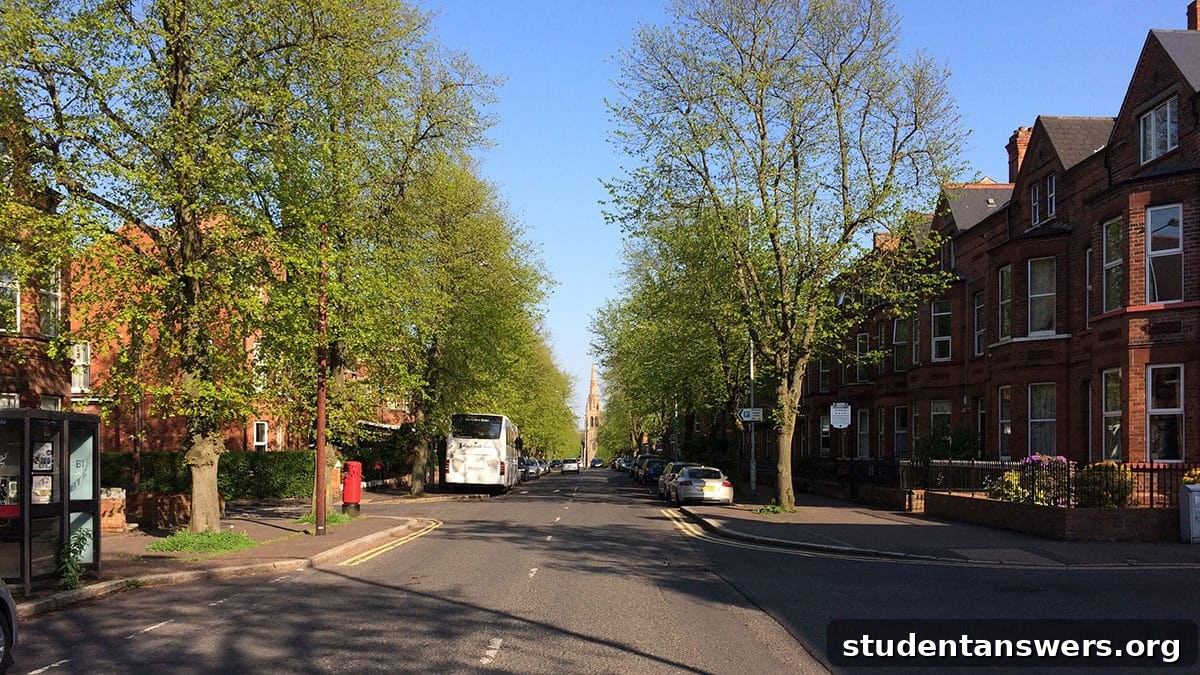
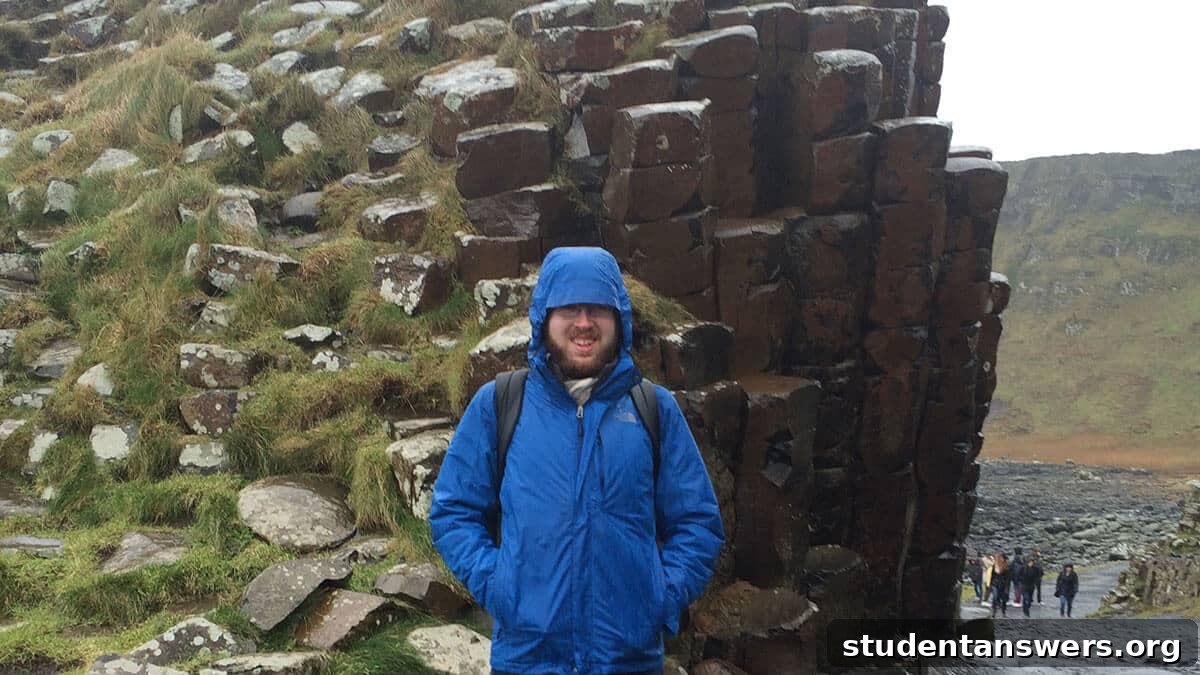
Embarking on a study abroad program was, without a doubt, one of the most transformative decisions of my college career. I spent four incredible months in Belfast, Northern Ireland, an experience that opened my eyes to a vibrant tapestry of new cultures, perspectives, and exhilarating activities like caving. It was an adventure that reshaped my understanding of the world and my place in it.
If the idea of studying abroad sparks your interest, I wholeheartedly encourage you to pursue it. However, the path from dreaming about it to actually boarding the plane can feel daunting. You face a cascade of decisions: choosing the right country, figuring out the finances, and preparing to live independently in a new environment. This journey requires careful planning to ensure you get the most out of every moment.
To demystify this process, I’ve created this comprehensive guide. It walks you through every essential step, from selecting the perfect destination to fully immersing yourself in the experience. Let’s get you ready for the adventure of a lifetime.
How to Choose Your Perfect Study Abroad Destination

The first major step on your journey is deciding where to go. This choice is influenced by numerous factors, from your academic major to your personal budget. Here’s a strategic approach to finding the program that’s the right fit for you.
Start Your Research and Planning Early
If there is one piece of advice that stands above all others, it’s this: start the process as early as possible. Even if you don’t plan to go abroad until your junior or senior year, begin exploring your options during your freshman year. This early start gives you ample time to align your academic plan with your travel aspirations.
By engaging with your university’s study abroad office and your academic advisor early on, you can strategically choose a program that not only enriches your education but also ensures you stay on track to graduate on time. Early planning prevents last-minute stress and opens up more opportunities for scholarships and program choices.
Align the Program with Your Academic Major
While the cultural experience is a huge part of studying abroad, your academic goals should remain a top priority. It’s crucial to select a program that complements your major and keeps you on your degree path. This is especially vital for students in highly structured fields like STEM, where courses are often sequential and have strict prerequisites.
Before committing, verify that the courses offered abroad will transfer back to your home university as the credits you need. Never assume a course with a similar name will automatically count. Always get written confirmation from your university’s registrar. Beyond fulfilling requirements, look for programs that offer unique academic opportunities. A marine biology major might choose Australia to study the Great Barrier Reef, while a language major would benefit most from a full immersion program in a country where that language is spoken.
Explore All Program Types: Domestic and Short-Term Options
Many people assume studying abroad means a full semester in another country, but that’s not the only option. Many universities offer diverse programs that can fit different schedules and budgets.
- Domestic Study Abroad: These programs allow you to study at another university within your own country. They offer a chance to experience a different regional culture, academic environment, and new perspectives without the complexities of international travel, passports, or visas. They are often more affordable and make financial aid transfers seamless.
- Short-Term Programs: If a full semester away feels disruptive to your coursework, consider a short-term program. These often take place over the summer, winter, or spring break. They provide a concentrated dose of cultural and academic experience and are an excellent choice for students with rigid academic schedules. Plus, they tend to be more budget-friendly.
Navigate the Financials of Studying Abroad
The cost of studying abroad is a significant consideration, but it shouldn’t deter you. With smart planning, it can be surprisingly affordable. It’s a common misconception that studying abroad is always more expensive than a semester at your home university. In many parts of the world, particularly in Europe, tuition and living costs can be significantly lower than in the U.S.
When creating your budget, look beyond tuition. Factor in these key expenses:
- Airfare: International flights are a major cost. Book well in advance to secure the best prices.
- Housing: Research your options. Will you be in a university dorm, a private apartment, or a homestay with a local family? Each has different costs and benefits.
- Food: Don’t assume a meal plan is included. You may need to budget for groceries and cooking your own meals, which can be a great way to save money and experience local culture.
- Travel and Exploration: One of the best parts of being abroad is the opportunity for side trips. Budget for weekend travel to nearby cities or countries.
- Financial Aid and Scholarships: Investigate how your existing financial aid package applies to study abroad programs. Talk directly with your financial aid office. Additionally, actively search for study abroad scholarships. Many are offered by universities for specific destinations or fields of study, and numerous external organizations provide funding as well.
Your Pre-Departure Checklist: Preparing for Your Adventure
Once you’ve been accepted into a program, the excitement builds. But before you can start exploring, there’s a lot of preparation to do. Staying organized is key to a smooth transition.
Handle Essential Paperwork and Deadlines
The study abroad process is filled with deadlines for applications, payments, housing, and visas. Create a master checklist and add every important date to your digital calendar with reminders. Missing a single deadline could jeopardize your trip.
If you’re traveling internationally, your passport and visa are your most critical documents. Applying for them can be a lengthy process, sometimes taking several months. Apply for your passport and visa as early as humanly possible to avoid expensive expedited fees or, in the worst-case scenario, having to cancel your trip. Your university’s study abroad office can guide you through these processes.
Build Your Support Network
You don’t have to navigate this process alone. Your university has resources dedicated to helping you succeed. Regularly check in with:
- The Study Abroad Office: They are your primary resource for everything from application paperwork to pre-departure orientation.
- Your Academic Advisor: They will help ensure your chosen courses align with your degree requirements.
- The Registrar’s Office: They will provide the official confirmation that your credits will transfer back successfully.
Sort Out the Logistics
With the big-picture items handled, it’s time to focus on the practical details of your trip.
- Finances: Inform your bank of your travel dates and destinations to prevent them from freezing your accounts for suspected fraud. Ask about foreign transaction fees and consider opening a travel-friendly bank account or credit card that waives these fees. Ensure your debit card will work at international ATMs.
- Technology: Check if your phone will work abroad or if you’ll need to purchase a local SIM card for affordable data and calls. Also, research the type of electrical outlets used at your destination and purchase a universal power adapter if needed.
- Packing Smart: Pack for both the climate and the culture. Research the typical weather for the season you’ll be there. Additionally, be mindful of local dress norms. In many cultures, the casual attire common in the U.S. (like athletic shorts or flip-flops) may be considered inappropriate for daily wear.
- Language Basics: If you’re going to a non-English-speaking country, learn some fundamental phrases. Knowing how to say “hello,” “thank you,” “please,” and “excuse me” shows respect and will make your daily interactions much smoother.
Thriving Abroad: How to Maximize Your Experience
You’ve arrived! The planning is over, and your adventure has begun. Here are some proven strategies to help you make every moment count and ensure your time abroad is truly life-changing.
Embrace Full Immersion
Your number one goal should be to step outside your comfort zone. It’s easy to stick with other students from your home country, but true growth happens when you engage with the local culture. Make a conscious effort to befriend local students and residents. Join university clubs, attend local events, and participate in community activities. These interactions provide the richest insights into a new way of life.
Don’t be afraid to try new things, whether it’s an unfamiliar food, a local sport, or a conversation with a stranger. Remember, you’re in a new place where nobody knows you—it’s the perfect opportunity to reinvent yourself and discover new passions.
Be a Respectful and Responsible Visitor
As a guest in another country, it’s essential to be mindful of local customs, traditions, and laws. What is considered normal at home might be offensive elsewhere. Do some research before you go on cultural etiquette regarding greetings, dining, and social interactions. Your study abroad orientation will likely cover major cultural differences, but showing a genuine effort to respect the local way of life will be deeply appreciated.
Balance Academics, Travel, and Rest
Remember that the “study” part of “study abroad” is important. Familiarize yourself with the local academic system, which may be very different from what you’re used to. In some countries, your entire grade may depend on a single final exam or paper. Stay on top of your coursework to avoid stress.
At the same time, take full advantage of your breaks. Longer holiday periods are perfect for exploring your host country or visiting neighboring ones. Plan your travels, but also schedule downtime. Constant travel can be exhausting, and you want to have the energy to enjoy both your adventures and your daily life in your new city.
Stay Connected and Document Your Journey
Keep in touch with friends and family back home. Schedule regular video calls to share your experiences and combat potential homesickness. However, be careful not to spend so much time on your phone that you miss out on what’s happening around you. Find a healthy balance that keeps you connected to your past while being fully present in your new reality.
Document your experiences by keeping a journal or a blog. This is a wonderful way to process your thoughts, feelings, and observations. Years from now, you’ll be grateful to have a detailed record of your adventures, the people you met, and how the experience changed you.
Prepare for the Return Home
Studying abroad will change you in profound ways. When you return home, you might experience “reverse culture shock.” Your hometown might feel different, or you might find it hard to relate to friends who haven’t shared your experience. This is a normal part of the process. Be patient with yourself as you readjust. The person who comes back is not the same one who left, and that growth is the ultimate reward of your journey.
Your Journey Awaits
This guide is designed to equip you for the incredible journey of studying abroad. It’s an experience filled with learning, discovery, and personal growth. However, remember that it’s just one of many ways to see the world and broaden your horizons. If studying abroad doesn’t fit into your college plan, don’t worry. There will be countless opportunities to travel and explore other cultures after you graduate.
The most important thing is to cultivate a spirit of curiosity and adventure. Whether you spend a semester in a new country or explore your own backyard, embrace every opportunity to learn, connect, and grow. The world is full of amazing experiences waiting for you.