Understanding Active Learning: Engaging Students in the Learning Process
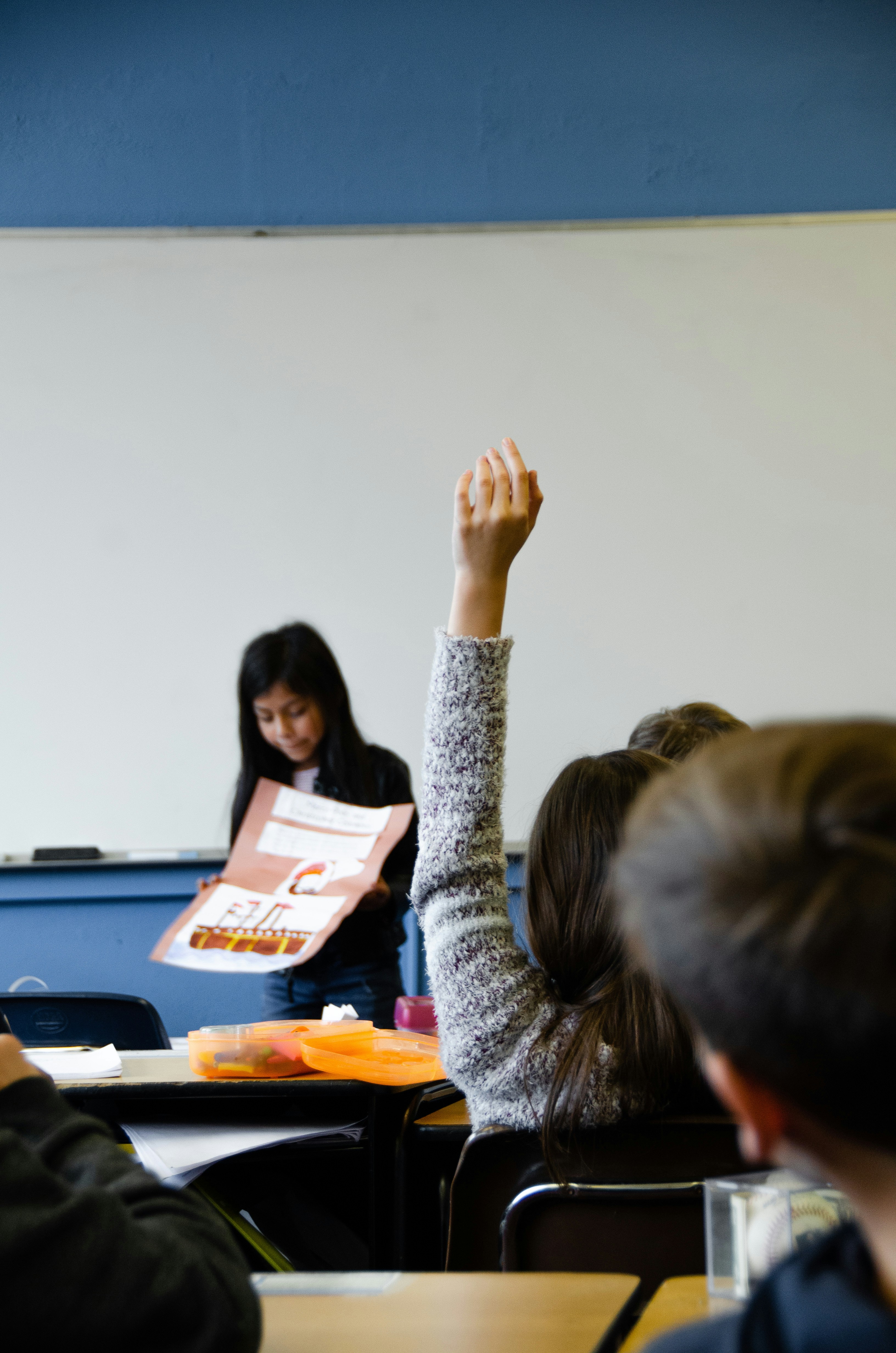
Introduction to Active Learning
Active learning is an instructional approach that actively engages students in the learning process, encouraging them to participate in their own education rather than passively receiving information. This pedagogical method involves a broad array of teaching strategies designed to promote deeper understanding and retention of material through hands-on experiences, group discussions, and problem-solving activities. In contrast to traditional passive learning methods, where students are often confined to listening to lectures or reading texts, active learning fosters an environment where learners construct knowledge through active participation and collaboration.
The importance of active learning in educational settings cannot be overstated. Research has shown that when students are actively involved in their learning, they not only grasp concepts more effectively but also retain information longer. For example, techniques such as peer teaching, interactive simulations, and case studies compel students to apply what they have learned, leading to richer educational experiences. Moreover, these approaches help in developing critical thinking and communication skills, which are essential for academic success and career readiness.
As educational institutions evolve to meet the demands of contemporary society, the shift from passive to active learning has gained momentum. Educators are increasingly recognizing that simply delivering content is insufficient; students must engage with the material in meaningful ways. This revolution in teaching methods aligns with the understanding that education should be less about the mere accumulation of facts and more about fostering analytical skills and an inquisitive mindset. In summary, active learning encapsulates a transformative movement in education, emphasizing a collaborative, student-centered approach that enhances comprehension and equips learners with the tools necessary for lifelong learning.
Key Principles and Techniques of Active Learning
Active learning encompasses a range of pedagogical strategies designed to engage students directly in the learning process, thereby enhancing their understanding and retention of knowledge. Among the key principles, collaborative learning stands out as a powerful approach that emphasizes teamwork, allowing students to work together toward common goals. This technique not only fosters communication skills but also encourages the exchange of diverse perspectives, which can enrich the overall learning experience. For instance, group projects in a science class can facilitate peer-to-peer teaching, allowing students to explain concepts to one another, thereby reinforcing their own understanding.
Another significant technique is problem-based learning (PBL), which challenges students to solve real-world problems. This instructional strategy promotes critical thinking and allows learners to apply theoretical knowledge to practical situations. For example, in a business class, students can be presented with a case study requiring them to devise a marketing plan for a new product. Through PBL, students engage in research, collaboration, and iterative problem-solving, which deepens their comprehension of the subject matter.
Experiential learning is also a vital component of active learning, emphasizing learning through experience. Techniques such as internships, fieldwork, or simulations provide students with opportunities to engage directly with the material in a meaningful context. For instance, history students might participate in a reenactment of historical events, which not only makes the learning more enjoyable but also provides a tangible connection to the content. Each of these techniques demonstrates that active learning is not a one-size-fits-all approach; instead, it allows for flexibility and adaptability across various disciplines and classroom settings. By integrating these principles, educators can create dynamic learning environments that actively engage students in their educational journey.
Benefits of Active Learning for Students and Instructors
Active learning represents an educational paradigm shift that emphasizes student engagement in their own learning process. This shift brings numerous benefits for both students and instructors. Firstly, one of the most significant advantages of active learning is its ability to foster critical thinking skills. Students are encouraged to go beyond simply memorizing information and instead analyze, evaluate, and synthesize concepts. By engaging with materials through discussions, problem-solving, and group projects, learners develop their ability to think critically and become better decision-makers in the or out of academic settings.
Another vital benefit of active learning is the enhancement of communication skills. Traditional educational approaches often limit student interaction, resulting in less collaboration among peers. However, active learning environments encourage dialogue, debate, and teamwork, enabling students to articulate their thoughts clearly and listen to diverse viewpoints. As students engage collaboratively, they also learn essential interpersonal skills that are crucial for future professional and social interactions.
Additionally, active learning increases student engagement and motivation. When students are actively involved in their education, they tend to be more invested in their learning outcomes. Activities such as interactive lectures, case studies, and group discussions help create a stimulating classroom atmosphere. Consequently, increased engagement can lead to improved academic performance and a more positive attitude toward learning.
Instructors also benefit significantly from implementing active learning strategies. Research has shown that these techniques can lead to improved teaching effectiveness. Active learning classrooms typically produce dynamic classroom dynamics, where instructors take on a more facilitative role, guiding discussions and assisting students in their learning journeys. This shift not only enhances instructional quality but also creates a more inclusive environment where all students feel valued and heard. The reciprocal benefits of active learning ultimately contribute to a more enriching educational experience for everyone involved.
Challenges and Solutions in Implementing Active Learning
Implementing active learning strategies in educational settings presents several challenges that educators must navigate to create a successful learning environment. One prominent challenge is classroom management. Unlike traditional lecture-based instruction, active learning often requires students to engage in group work and discussions, which can sometimes lead to noise and distraction. To address this, educators can establish clear guidelines and expectations for group interactions, promoting a respectful and focused learning atmosphere. Incorporating structured activities and time limits for discussions can also help maintain order while allowing students to engage actively.
Another significant hurdle educators face is the availability of resources. Many active learning strategies require materials such as technology, manipulatives, or specific classroom layouts that may not be readily available. Educators should consider leveraging existing resources creatively. For instance, utilizing open educational resources (OER) can provide access to diverse learning materials. Teachers can also advocate for institutional support to acquire necessary resources or repurpose available materials to suit active learning needs, thus fostering an inclusive environment for all students.
Diverse student needs present another challenge when implementing active learning. Classrooms often comprise students with various learning styles, abilities, and backgrounds, requiring educators to adapt their strategies accordingly. Differentiation is key in this regard. Teachers can offer multiple avenues for participation by providing various task formats or grouping students strategically to ensure collaborative learning. Incorporating formative assessments can also help educators gauge understanding and adjust their approaches in real-time. By proactively addressing these challenges, educators can foster a dynamic learning environment that embraces active learning, ultimately enhancing student engagement and learning outcomes.
This content has been prepared by the Studentanswers editorial team for educational and informational purposes only. We recommend consulting a qualified professional before making any personal decisions.