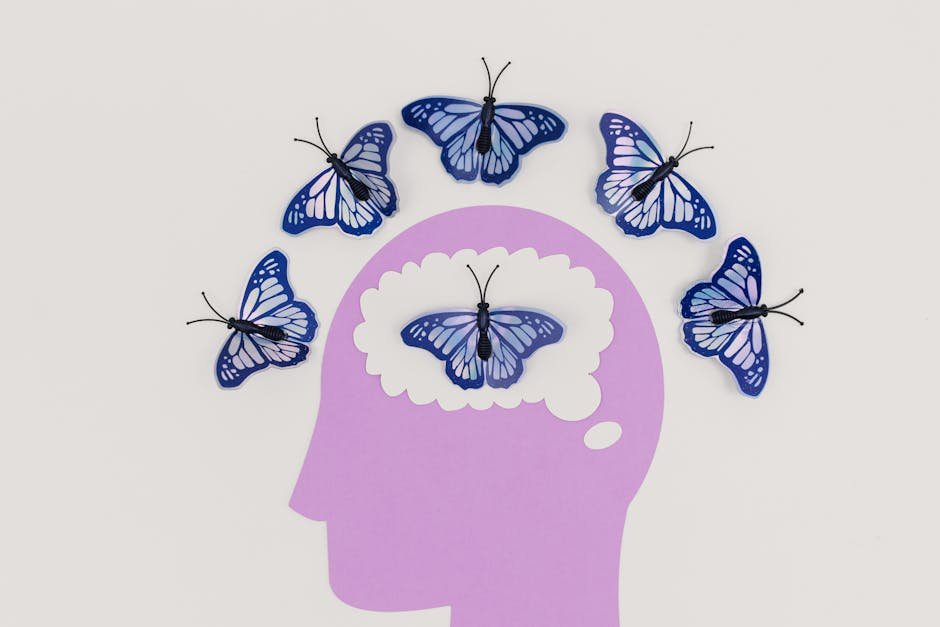

Defining Impostor Syndrome
Impostor syndrome, also known as imposter phenomenon, is a behavioral health phenomenon characterized by persistent self-doubt regarding one’s intellect, skills, or accomplishments, particularly among high-achieving individuals. Many experts explain that those grappling with what is impostor syndrome? tend to feel inadequate, even when faced with evidence of their competence and success. This mental state is often accompanied by a fear of being exposed as a “fraud,” leading to a paradox where the more successful one becomes, the more intense the feelings of impostorism can be.
The concept was first introduced in 1978 by psychologists Pauline Clance and Suzanne Imes, who identified the syndrome primarily in high-achieving women. However, subsequent research has shown that impostor syndrome can affect individuals across genders, cultures, and professions, making it a significant psychological phenomenon. It is critical to distinguish impostor syndrome from general self-doubt. While self-doubt may occur occasionally and is experienced universally, impostor syndrome is a chronic condition that can often interfere with an individual’s overall performance and satisfaction. Individuals experiencing impostor syndrome may underestimate their achievements and attribute their success to external factors such as luck or the help of others.
This phenomenon can manifest in various contexts, particularly in environments where achievement and excellence are emphasized, such as workplaces and academic settings. For example, a successful academic may doubt their qualifications, fearing they do not deserve their position or accolades. Similarly, in the workplace, high performers may refrain from applying for promotions or new projects due to a pervasive fear of failure despite having a proven track record. Understanding the unique traits of impostor syndrome is essential for both individuals and organizations to cultivate environments that promote genuine self-esteem and confidence.
Causes and Triggers of Impostor Syndrome
Impostor syndrome is a behavioral health phenomenon characterized by pervasive self-doubt regarding one’s intellect, skills, or accomplishments, particularly among high-achieving individuals. The development of this condition can be attributed to various interrelated factors, including personality traits, family dynamics, cultural influences, and societal pressures. Understanding these causes and triggers is crucial in addressing and mitigating the feelings associated with impostor syndrome.
Personality traits play a significant role in the emergence of impostor syndrome. Individuals with perfectionistic tendencies often set unattainably high standards for themselves, which can lead to chronic feelings of inadequacy when those standards are not met. Additionally, traits such as low self-esteem, high levels of anxiety, and neuroticism have been linked to the development of self-doubt, further contributing to the cycle of impostor feelings among high achievers.
Family dynamics can also foster conditions conducive to impostor syndrome. For instance, children who are raised in environments where success is highly valued may internalize the belief that their self-worth is dependent on their achievements. This can create a pressure to excel, which may lead to self-doubt when they perceive themselves as failing to meet expectations. Cultural influences further complicate this issue, as different communities may place varying degrees of importance on success, entitlement, and validation.
Moreover, societal pressures and economic conditions can exacerbate feelings of self-doubt. In competitive environments, the fear of failure looms large, making individuals more susceptible to impostor syndrome. The pervasive nature of social media, with its constant comparisons and portrayals of success, can prompt critical self-reflection and amplify feelings of inadequacy. Such multifaceted interactions underline the complexities of impostor syndrome and highlight the need for ongoing exploration of its underlying causes.
The Impact of Impostor Syndrome on Individuals
Impostor syndrome, a behavioral health phenomenon characterized by self-doubt regarding one’s intellect, skills, or accomplishments, affects many high-achieving individuals across various fields. The emotional toll of this syndrome can manifest in the form of heightened anxiety and stress. Individuals may constantly feel as though they are on the verge of being exposed as a ‘fraud,’ leading to significant emotional turmoil. This self-perception can precipitate chronic worry, driving individuals to overprepare for tasks or to avoid opportunities altogether due to fear of perceived inadequacies.
Mental impacts of impostor syndrome can be profound, as individuals grapple with the disconnect between their actual abilities and their inner doubt. This internal conflict can create an endless cycle of self-criticism and perfectionism, often resulting in burnout. High achievers may invest excessive energy in their work, attempting to prove their worth to themselves and others, only to feel that their efforts are never sufficient. The strain associated with this relentless pursuit of excellence not only affects mental well-being but also hinders career development and personal growth.
On a professional level, the implications of impostor syndrome can stifle collaboration and innovation. Individuals who experience impostor syndrome may hesitate to voice their ideas or contribute in team settings, fearing they lack the necessary expertise. This reluctance can lead to missed opportunities for collaboration, which ultimately diminishes the overall potential of teams and organizations. Furthermore, on a personal front, the dynamics of relationships can be strained as feelings of inadequacy hinder open communication and authenticity. These emotional barriers can result in isolation, making it challenging to form supportive connections.
In conclusion, the multi-faceted impacts of impostor syndrome encompass emotional, mental, and professional domains. Understanding these effects is vital for addressing the underlying self-doubt and fostering a healthier mindset among high achievers.
Strategies to Overcome Impostor Syndrome
Overcoming what is impostor syndrome? requires a multifaceted approach that includes cognitive behavioral therapy (CBT), the support of mentors, and the cultivation of self-compassion. One effective strategy is engaging in CBT, which can help individuals identify and challenge their negative thought patterns related to their perceived inadequacies. Through structured sessions, individuals learn to reframe their beliefs about their abilities and accomplishments, ultimately reducing feelings of self-doubt.
Seeking mentorship is another valuable strategy. A mentor can provide guidance and reassurance, helping individuals recognize their strengths and achievements. By sharing experiences, a mentor can offer perspective and remind individuals that many high achievers face similar feelings of inadequacy. Establishing a mentorship relationship can thus empower individuals to confront their impostor syndrome (is) and feel more validated in their successes.
Building self-compassion is also crucial in combating impostor syndrome. Practicing self-kindness, recognizing one’s common humanity, and maintaining a mindful attitude can help individuals treat themselves with the same empathetic understanding they would offer to a friend. This shift in mindset fosters resilience and reduces the harsh self-criticism that often accompanies self-doubt.
Furthermore, fostering a supportive network can significantly alleviate the burdens of impostor syndrome. Surrounding oneself with individuals who understand and share similar experiences can help normalize feelings of inadequacy, making them less isolating. Engaging in open discussions about these feelings can also uncover shared challenges, creating a sense of belonging and support.
In conclusion, overcoming what is impostor syndrome? involves implementing practical strategies such as cognitive behavioral therapy, seeking mentorship, nurturing self-compassion, and building a supportive community. By actively pursuing these approaches, individuals can work to cultivate confidence in their abilities and embrace their accomplishments with authenticity.
This content has been prepared by the Studentanswers editorial team for educational and informational purposes only. We recommend consulting a qualified professional before making any personal decisions.


