Understanding Primary Learning: The Foundation of Education
What is Primary Learning?
Primary learning is fundamentally linked to the broader concept of primary education, recognized as the first stage of formal education that follows preschool or kindergarten. This phase plays a critical role in shaping a child’s educational journey by providing the foundational skills necessary for later academic pursuits. During primary education, which typically takes place in primary schools, elementary schools, or first schools, children engage in learning essential skills such as reading, writing, and basic mathematics, which serve as the building blocks for all future learning.
The significance of primary learning cannot be overstated. It is during these formative years that children acquire not only academic skills but also critical cognitive abilities. Through interactive and structured learning environments, they develop problem-solving skills, logical reasoning, and the ability to think critically. Additionally, primary learning encourages social development. Children learn to work collaboratively with peers, communicate effectively, and build relationships, which are all vital skills for their personal and professional lives.
Moreover, primary education aims to foster a sense of curiosity and a love for learning. By exposing children to a variety of subjects and teaching methods, educators strive to inspire students and create a positive learning atmosphere. This phase of education is designed to adapt to the diverse needs of children, recognizing that each child learns at their own pace and may have unique interests that should be nurtured.
In conclusion, primary learning is an essential aspect of child development that lays the groundwork for all future educational experiences. By understanding what primary learning encompasses, both parents and educators can better support children during this pivotal stage of their academic lives.
The Structure of Primary Education
Primary education serves as the foundational stage of formal education, succeeding preschool or kindergarten and preceding secondary education. This educational phase is crucial as it forms the basis for a child’s learning journey, equipping them with essential skills and knowledge. The organizational structure of primary education varies across different regions, adapting to cultural and societal needs, but generally follows a similar framework.
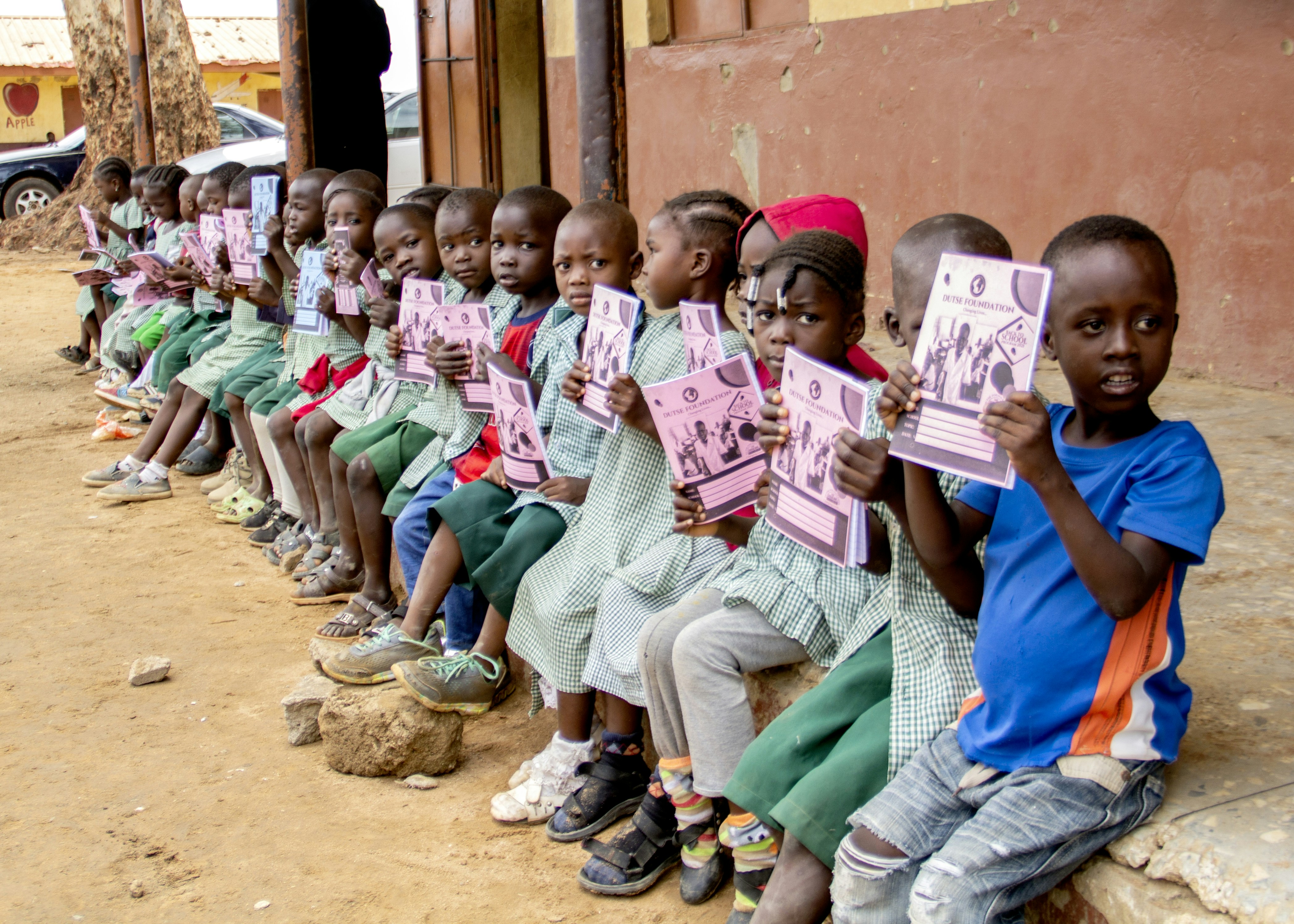
In many countries, primary education is delivered through institutions such as primary schools, elementary schools, first schools, and middle schools. These establishments cater to children typically aged between six and twelve years, although age ranges may vary based on local policies. For instance, in the United States, elementary education usually encompasses grades K-5, while other systems might combine grades K-6 under a single institution.
The curriculum in primary education is designed to be both comprehensive and engaging, focusing on core subjects such as literacy, numeracy, science, and social studies. The integration of arts and physical education into the curriculum further enhances the overall learning experience, promoting creativity and physical well-being. Educational philosophies differ; some regions may emphasize play-based learning, while others may adopt more structured approaches to impart knowledge.
Transitioning from preschool to primary education marks a significant milestone in a child’s academic life. This shift not only involves an increase in educational expectations and responsibilities but also necessitates adjustments in social interactions. Parents and educators work collaboratively to ensure that children adapt smoothly to this new environment, which lays the groundwork for future learning endeavors. Furthermore, the progression from initial learning stages to more advanced concepts within primary education underscores its importance in shaping a child’s overall development.
Curriculum and Learning Methods in Primary Education
The curriculum in primary education serves as the foundation upon which learners can build their future academic endeavors. Typically encompassing subjects such as mathematics, science, language arts, and social studies, primary education is the first stage of formal education, coming after preschool/kindergarten and before secondary education. This curriculum aims to provide a comprehensive framework that supports not only the acquisition of knowledge but also the development of essential skills. In addition to traditional subjects, many primary schools integrate subjects like art, music, and physical education, promoting a well-rounded educational experience.
Various pedagogical approaches are employed in primary education to enhance the learning experience. For instance, experiential learning, which encourages students to learn through hands-on activities, has proved effective in engaging young minds. This method allows students to connect theoretical concepts with real-world applications, fostering deeper understanding and retention of information. Another common approach is thematic teaching, wherein subjects are intertwined around a central theme, promoting interdisciplinary learning. This strategy not only stimulates curiosity but also allows learners to make connections across different areas of knowledge.
Collaborative projects are another critical aspect of the primary curriculum, where students work together to achieve common goals. This approach fosters teamwork and communication skills, vital for personal and academic success. Furthermore, during this formative educational phase, it is important to cultivate creativity and critical thinking skills. Encouraging students to question, brainstorm, and innovate enriches their learning journey and prepares them for future challenges. Overall, the diverse curriculum and varied learning methods employed in primary education play a crucial role in holistic development, laying the groundwork for lifelong learning.
The Importance of Primary Education in Child Development
Primary education plays a crucial role in fostering a child’s overall development, serving as the bedrock upon which future learning experiences are built. At this stage, which typically occurs in primary or elementary schools, children acquire foundational knowledge and skills that are essential for their academic journey. The structured environment of primary education encourages cognitive growth, helping children develop critical thinking abilities and problem-solving skills that they will rely on throughout their lives.
Moreover, primary education significantly influences a child’s personality and social skills. Through interactions with peers and educators, children learn vital social behaviors such as cooperation, communication, and conflict resolution. These early social experiences are important for shaping emotional intelligence, which is essential for navigating both personal relationships and professional environments later in life. As children engage in group activities and collaborative projects, they not only solidify their learning but also build essential interpersonal skills that will serve them well into adulthood.
Investing in primary learning has far-reaching implications that extend beyond an individual child’s development. Completing primary education equips children with the necessary tools to succeed in secondary education and beyond, promoting a cycle of learning that can lead to improved career opportunities and life outcomes. Studies indicate that children who receive a comprehensive primary education tend to demonstrate higher rates of academic achievement, which is closely linked to long-term economic stability and health outcomes.
In conclusion, the importance of primary education cannot be overstated. It lays a vital foundation for children’s intellectual growth, social development, and emotional well-being. By recognizing and investing in the primary learning process, society as a whole can foster better educational opportunities and outcomes for future generations, ultimately contributing to a better-informed and skilled populace.
This content has been prepared by the Studentanswers editorial team for educational and informational purposes only. We recommend consulting a qualified professional before making any personal decisions.