
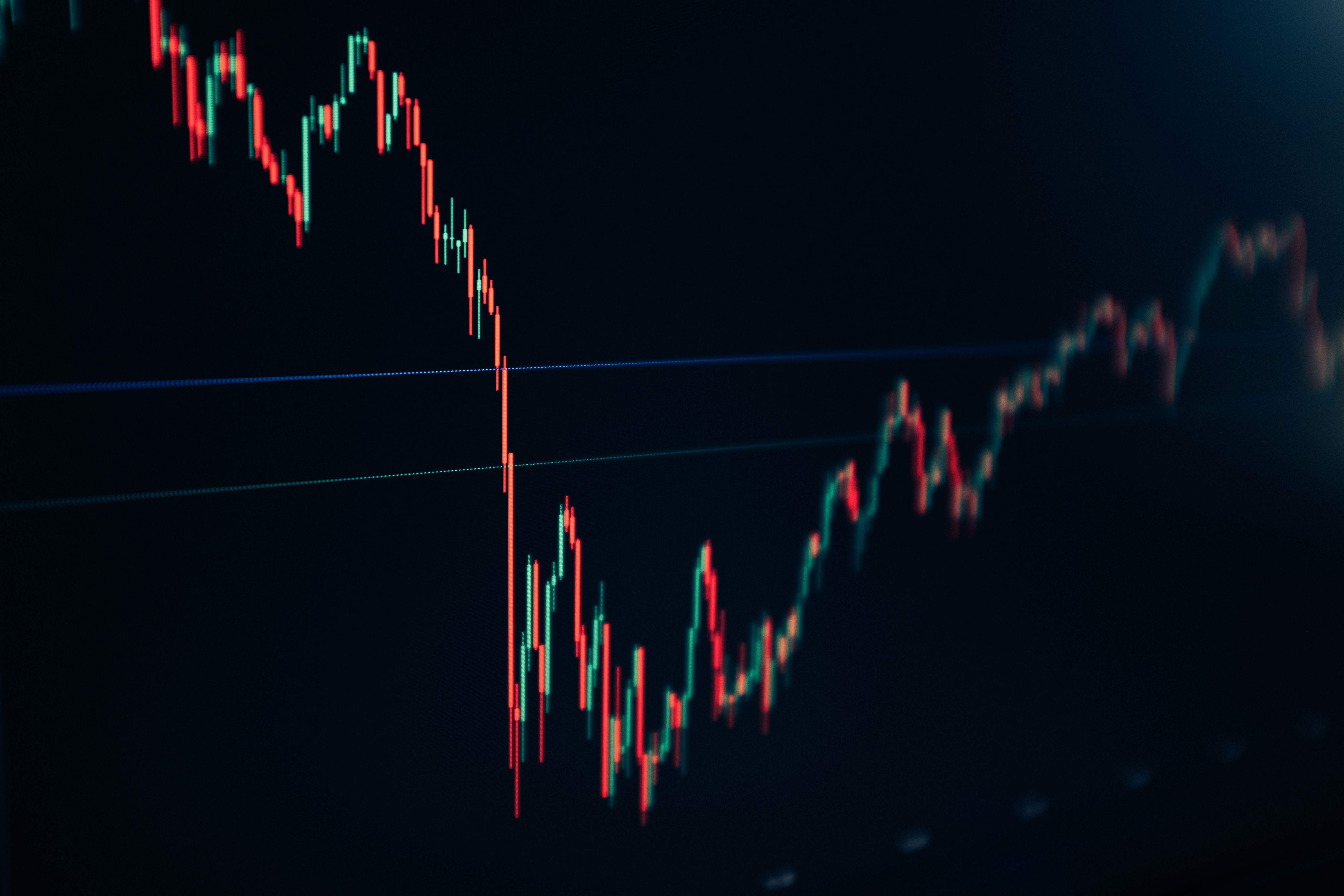
Introduction to Economic Cycles
Economic cycles, a fundamental concept in the study of economics, refer to the fluctuations in economic activity over a certain period. These cycles characterize the rise and fall of economic growth, indicating that economic environments are not static but are, in fact, dynamic and responsive to various internal and external factors. Understanding economic cycles is essential for policymakers, business leaders, and individuals as it influences decision-making across multiple sectors.
At the core of economic cycles are four distinct economic stages: expansion, peak, contraction, and trough. An expansion is typically marked by increasing employment rates, rising production output, and heightened consumer spending, which contribute to overall economic growth. This phase often generates upward pressure on prices, indicating a robust demand for goods and services. However, as markets grow, they may eventually reach a peak—a point at which economic activity is at its highest before it starts to decline.
The subsequent contraction phase denotes a decline in economic activity, where economic growth slows down, unemployment rises, and consumer confidence may wane. This downturn can lead to a trough, the lowest point of the cycle, where economic activity is at its weakest. Understanding what are the four levels of economics and how these stages interact can provide valuable insights for anticipating changes in the economy. Consequently, comprehending these economic cycles aids in better strategizing responses to shifts in employment, production, and consumption patterns.
Overall, economic cycles demonstrate the ever-evolving nature of economies. By analyzing these cycles and their stages, one can better prepare for the future, making informed choices that can mitigate risks associated with economic downturns and maximize opportunities during periods of growth.
Expansion: The Phase of Growth
The expansion phase of the economic cycle is recognized as a period of significant growth and improvement in economic conditions. During this stage, the economy typically experiences a myriad of favorable factors, which contribute to increased employment rates, economic growth, and heightened consumer confidence. The expansion phase signifies a transition where various economic indicators point towards a positive trajectory, enhancing overall prosperity.
At this stage, one of the critical components driving growth is consumer spending. As employment rates rise, individuals have more disposable income, which they tend to spend on goods and services. This increase in demand often incentivizes businesses to ramp up production and hire additional staff, thereby further fuelling the cycle of economic growth. Business investments also play a crucial role; companies are more willing to invest in new projects, technologies, or expansions due to the optimism generated during this phase. With greater investment, productivity can surge, leading to increased economic output.
Additionally, government policies can notably impact the expansion phase. Favorable fiscal and monetary policies, such as tax cuts, increased public spending, or lower interest rates, can stimulate economic activity and encourage both consumer and business investments. As a result, the overall economic environment becomes more conducive for growth. This positive interplay between consumer confidence, business investment, and supportive government measures creates a robust foundation during the expansion phase, allowing economies to thrive.
Ultimately, understanding what are the four levels of economics necessitates an appreciation of this critical phase. Expansions set the stage for increased prosperity and the opportunity for economic stability. By examining these elements, one can better grasp how the expansion phase contributes to the broader economic cycle and its implications for overall economic health.
Peak: The Height of Economic Activity
The peak stage of an economic cycle signifies a period of maximum economic activity and occurs when a nation’s economy is functioning at its full potential. At this juncture, the focus is on output, employment levels, and overall economic growth, all of which reach their zenith. An understanding of what are the four levels of economics, particularly the peak phase, is crucial for effective economic forecasting and policy-making. This stage is characterized by heightened levels of consumer demand, business investments, and overall production.
During the peak, employment rates surge as businesses hire additional workers to meet increased demand. However, as this demand escalates, it can create upward pressure on prices, leading to potential inflation. When consumer confidence is high, spending surges, often outpacing the economy’s capacity to meet demand. This phenomenon may cause prices to rise significantly, representing a core risk during this stage of economic activity.
Moreover, resource scarcity can emerge as a critical issue. As businesses strive to maximize output, natural resources and labor become stretched. The economy might become overheated, thus raising concerns regarding sustainability and long-term growth. Unfortunately, these factors contribute to the fragility of the economy, setting the stage for the subsequent contraction phase.
Identifying signs of a peak is essential for economists and policymakers alike as it allows for timely interventions if necessary. Indicators may include lower unemployment rates, increased production rates, and rising inflation. Understanding the peak stage equips stakeholders with the knowledge to anticipate changes in economic conditions, helping to mitigate potential negative impacts before they escalate into more significant challenges. Recognizing that economic cycles are identified as having four distinct economic stages—expansion, peak, contraction, and trough—underscores the importance of grasping this essential phase of economic activity.
Contraction and Trough: The Downturn and Recovery
The economic cycle does not move in a straight line; it is marked by fluctuations that encompass different phases. Among these, contraction and trough are significant chapters that reveal the challenges and resilience inherent in economic systems. Contraction occurs after an economic peak, characterized by decreasing economic activity. During this phase, businesses may curtail production due to waning demand, leading to layoffs and an uptick in unemployment. As job opportunities diminish, consumer confidence wanes, resulting in reduced spending, which compounds the downward trend. This decline in economic activity often leaves many wondering, what are the four levels of economics? Understanding these levels can help contextualize the impacts of a contraction.
The trough phase represents the nadir of the economic cycle, where activity hits its lowest point. It is vital to recognize that this is not just a time of despair. The trough serves as a critical juncture; it is during this period that various economic indicators signal whether recovery is on the horizon. Analysts often look for signs such as increased consumer spending, stabilization of unemployment rates, and improvements in business investments. These indicators suggest that economic activity is beginning to rebound, transitioning from the depths of a trough to the early stages of recovery.
Understanding these dynamics is crucial for policymakers and businesses alike. This awareness informs strategic planning, emphasizing the need for adaptability and resilience in the face of economic downturns. With the cyclical nature of economies, it is important to prepare for eventual recovery, ensuring that resources are effectively allocated during contractions while fostering innovation and growth as conditions improve. Recognizing the trends of contraction and trough can guide informed decisions and responses in navigating the complexities of the economic landscape.
This content has been prepared by the Studentanswers editorial team for educational and informational purposes only. We recommend consulting a qualified professional before making any personal decisions.


