
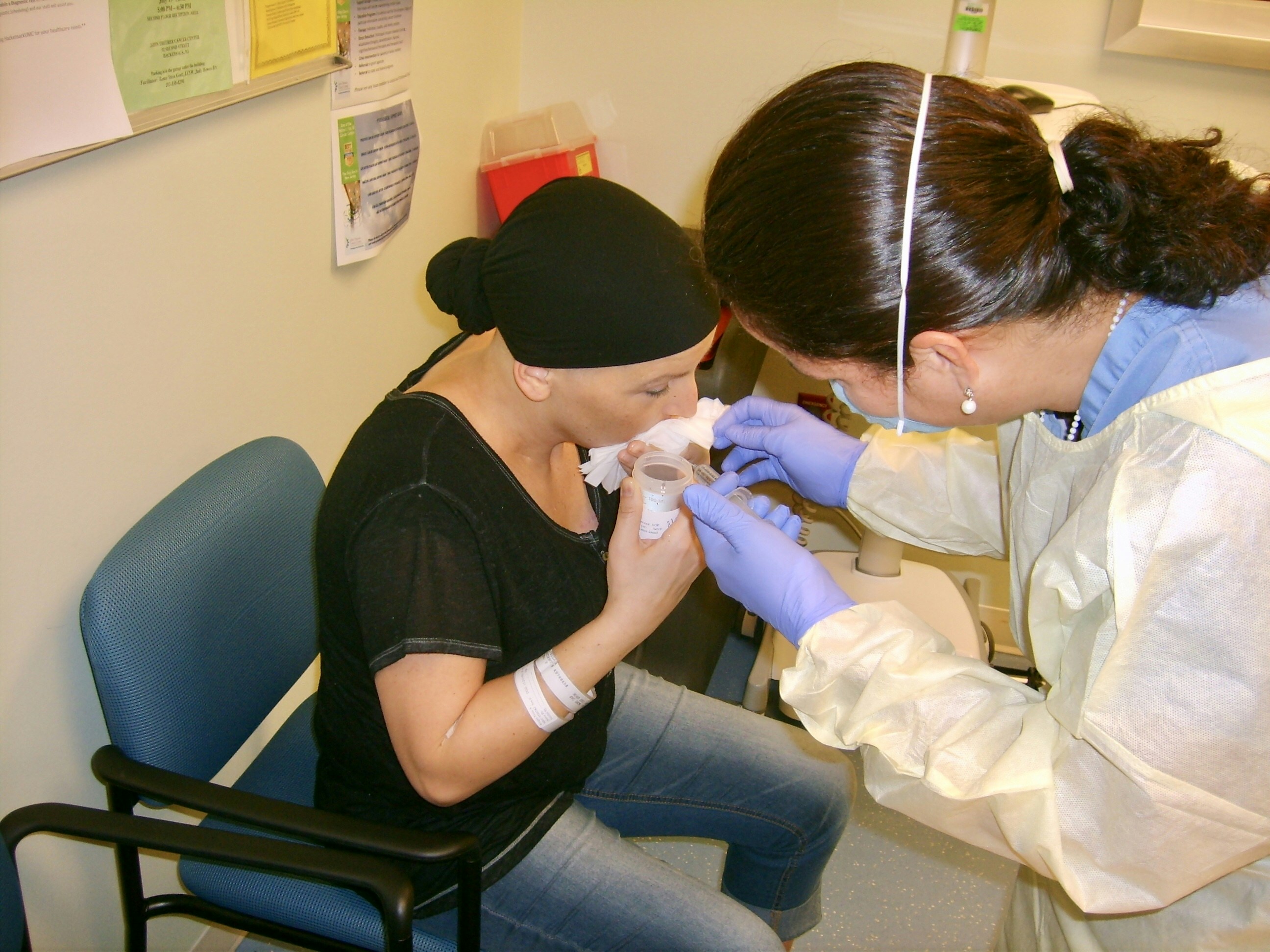
Overview of Medical Assistants
Medical assistants (MAs) are integral members of the healthcare team, serving a pivotal role in ensuring the efficient operation of medical facilities. They perform a wide range of both administrative and clinical tasks, which contribute significantly to patient care. The importance of medical assistants in the healthcare system cannot be overstated, as they facilitate communication between patients and healthcare professionals, streamline processes, and help maintain a structured environment within clinics and hospitals.
To become a medical assistant, individuals typically pursue educational programs that culminate in a diploma or associate degree. These programs often combine theoretical instruction with practical skills training, equipping students with the necessary knowledge to succeed in various healthcare settings. In addition to formal education, certification is highly regarded in the field. Various organizations offer certification examinations, which validate the competency of medical assistants and may enhance their employment prospects.
As for the versatility of the role, medical assistants can be found in numerous healthcare settings, including hospitals, outpatient clinics, private practices, and specialty care facilities. Their responsibilities can vary greatly by location, specialty, and employer. Generally, medical assistants are responsible for ensuring patient comfort, updating medical records, scheduling appointments, and performing clinical tasks, such as taking patients’ vital signs, including their blood pressure. This diversity in duties illustrates their adaptability and critical role in various areas of healthcare delivery.
In summary, the responsibilities of a medical assistant encompass a wide array of both administrative and clinical functions. Understanding what exactly does an MA do? allows healthcare stakeholders to appreciate the essential contributions these professionals make towards positive patient outcomes and overall operational efficiency in healthcare environments.
Clinical Duties of Medical Assistants
Medical assistants play a crucial role in healthcare settings, performing a variety of clinical tasks that contribute to patient care and support healthcare providers. One of their primary responsibilities is to take patients’ vital signs, such as their blood pressure, heart rate, temperature, and respiratory rate. These measurements are essential for assessing patients’ health and guiding further medical decisions.
In addition to monitoring vital signs, medical assistants prepare patients for examinations. This preparation includes obtaining medical histories, ensuring patients are comfortable, and providing any necessary instructions prior to the healthcare provider’s examination. By doing so, they facilitate a smooth and efficient visit for both the patient and the healthcare provider.
During medical procedures, medical assistants actively assist healthcare providers. This may involve positioning patients appropriately, providing instruments or supplies, and ensuring the environment is sterile and safe. Their role is instrumental in maintaining the flow of examinations and treatments, thereby enhancing patient experiences within the healthcare facility.
Another significant duty of medical assistants includes administering medications as directed by a licensed healthcare provider. This task requires diligence, as medical assistants must be well-versed in correct dosages and medication administration methods. Moreover, they are responsible for monitoring patients for any adverse reactions following medication administration, thereby ensuring patient safety.
Finally, medical assistants are charged with adhering to sanitation and safety protocols. They must guarantee that equipment and exam rooms are cleaned and sterilized according to healthcare regulations. The clinical duties of medical assistants can vary widely based on the specialty of the practice and the specific needs of the employer. Therefore, their adaptability is vital to supporting various healthcare environments effectively. Medical assistants are essential members of the healthcare team, carrying out tasks that directly impact patient care and safety.
Administrative Responsibilities of Medical Assistants
The role of a medical assistant (MA) is multifaceted, encompassing a variety of administrative responsibilities that are critical to the smooth operation of healthcare facilities. One of the primary duties of an MA is to schedule appointments, ensuring that patients receive timely access to medical care. This involves coordinating the availability of healthcare providers and optimizing appointment slots to minimize patient wait times.
In addition to scheduling, medical assistants manage patient records, which includes the accurate and confidential documentation of patient information. Maintaining these records is essential for providing continuity of care, as it allows healthcare professionals to review a patient’s medical history quickly. MAs also play a crucial role in handling billing and insurance claims. They are responsible for ensuring that claims are submitted accurately to reduce delays in processing and to facilitate timely reimbursement for services rendered.
Moreover, medical assistants serve as a vital communication link between patients and healthcare professionals. They relay important information regarding patient concerns, treatment plans, and follow-up appointments, which helps in enhancing the overall patient care experience. By efficiently managing the flow of information, MAs contribute to a more coordinated and effective healthcare environment.
Overall, the administrative tasks performed by medical assistants are essential in supporting healthcare operations. By efficiently handling various responsibilities, such as scheduling appointments and managing patient records, they help to ensure that healthcare facilities run smoothly. Their contributions not only aid in administrative efficiency but also enhance patient satisfaction, making them indispensable members of the healthcare team.
Variation of Duties by Location and Specialty
The role of a medical assistant (MA) is multifaceted and can significantly differ based on geographical location, the type of healthcare facility, and the medical specialty in which they are employed. In primary care settings, for instance, medical assistants undertake various responsibilities that include not only administrative tasks but also clinical duties. These MAs may be required to schedule appointments, manage patient records, and assist healthcare providers during examinations. In contrast, a medical assistant working in a surgical setting often has a more focused role. They may prepare the surgical room, assist during procedures, and facilitate patient recovery. Thus, the question of what exactly does an MA do? can have different answers based on their work environment.
The duties of medical assistants also vary by specialty. For example, those employed in pediatrics may be more involved in patient education regarding child development and vaccinations, while MAs in geriatrics may focus on managing chronic conditions and assisting elderly patients with mobility and health education. This specialization allows medical assistants to build expertise that aligns with the specific needs of different patient populations.
Geographical factors contribute to the diversity of MA responsibilities as well. In urban areas, medical assistants may encounter a higher patient volume, leading to a more fast-paced work environment where multi-tasking is essential. In smaller, rural facilities, MAs may have a broader scope of tasks, including some duties typically reserved for other healthcare professionals. Furthermore, as the healthcare industry evolves, so too does the role of medical assistants. With advances in technology and changes in healthcare regulations, MAs are increasingly taking on more complex responsibilities, leading to ample job growth potential. This dynamic nature of the profession ensures that medical assistants are vital contributors to the healthcare team, adaptable to meet the needs of diverse practice settings.
This content has been prepared by the Studentanswers editorial team for educational and informational purposes only. We recommend consulting a qualified professional before making any personal decisions.


