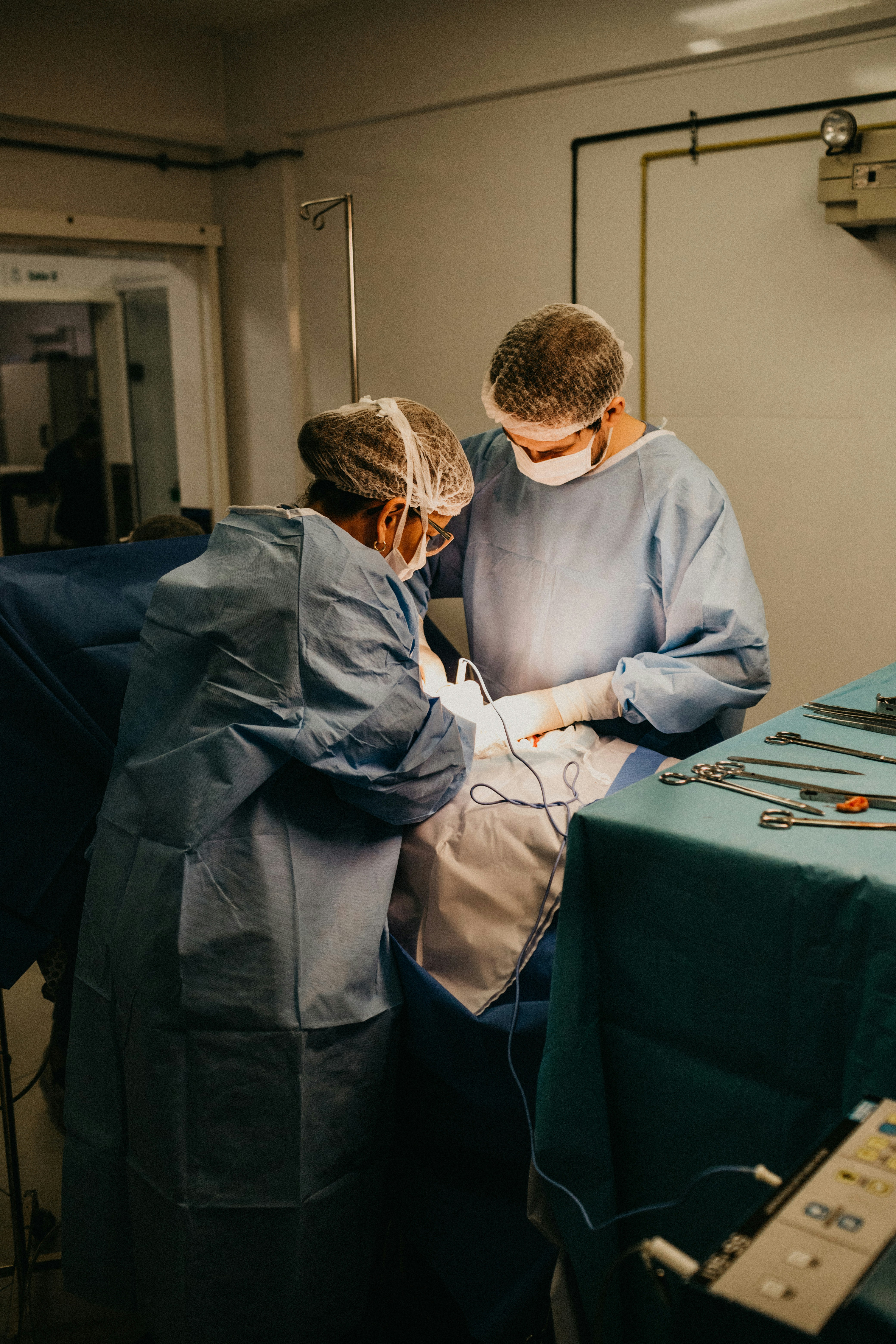
Understanding the Role of Op. Dr. in Turkey: The Operator Doctor Explained
Introduction to Op. Dr. – The Operator Doctor
The term ‘Op. Dr.’ is commonly encountered in the context of the Turkish medical system, representing a significant aspect of medical practice within the country. Translated, ‘Op. Dr.’ stands for ‘operator doctor,’ and it designates a medical professional who is authorized to perform surgical procedures. This title is crucial as it indicates a physician’s qualifications and capabilities in conducting surgeries, highlighting their specialized training in a surgical discipline.
Within Turkey, the distinction of being an operator doctor signifies that these medical practitioners possess the requisite skills and education to carry out various surgical interventions. They may either propose surgical options based on their clinical evaluation or perform operations at the request of specialists who designate certain surgical needs. Understanding the role of Op. Dr. is important for patients seeking surgical care, as it fosters a better awareness of who will be performing their procedures and underscores the seriousness of surgical interventions.
The significance of the title cannot be overstated, as it embodies a commitment to patient safety and the effectiveness of surgical outcomes. Patients are often more comfortable and confident when they know that their healthcare provider holds a recognized title and has undergone rigorous training to achieve such a designation. Furthermore, the clear understanding of these medical titles can play an essential role in fostering trust between patients and their healthcare providers, as it delineates the jurisdiction and capabilities of operator doctors within Turkey’s healthcare framework.
Overall, the role of Op. Dr. in the Turkish medical landscape is one marked by authority, specialization, and accountability. As this sector continues to evolve, it is pivotal for patients to grasp the implications of such titles and how they relate to their healthcare needs.
Qualification and Training of Operator Doctors
Becoming an Op. Dr. in Turkey, or an operator doctor, requires a rigorous educational and training pathway. The journey begins with the completion of a rigorous undergraduate program in medicine, usually at a recognized medical school. This phase typically lasts for six years, where students gain a comprehensive foundation in medical sciences, clinical skills, and patient care. Following this, aspiring operator doctors must complete a mandatory one-year internship in various medical specialties, allowing them to apply their theoretical knowledge in a practical setting.
After completing medical school and the internship, candidates are required to pass a national examination to receive their medical license. This licensure is crucial as it validates the doctor’s qualifications to practice medicine in Turkey. The next step involves undertaking specialized training in a surgical field, which can last between four to six years, depending on the chosen specialty. This specialized training takes place in accredited hospitals, where candidates gain hands-on experience while working under the supervision of experienced surgeons. They are exposed to various surgical techniques and procedures pertinent to their field.
In addition to practical experience, operator doctors must also attend seminars and workshops to stay updated on the latest advancements in surgical techniques and medical technology. Upon completion of their training, they receive diplomas or certificates that validate their specialization. These qualifications must be registered and recognized by the Turkish Medical Association. Continuous education remains a fundamental aspect of an op. dr.’s career, as maintaining competence is vital in a constantly evolving medical environment. This extensive training ultimately ensures that operator doctors possess the skills and knowledge necessary to make informed decisions regarding surgical procedures and patient care.
Responsibilities and Decision-Making Powers of Op. Dr.
In the context of the Turkish healthcare system, understanding what does op. dr. mean in Turkey is essential for comprehending the scope of an operator doctor’s role. Operator doctors, known as op. dr., are specialists who possess the authority to make critical decisions regarding surgical procedures. Their responsibilities encompass assessing patient needs, planning surgical interventions, and executing these operations with precision. The level of autonomy can vary, as some op. dr. may function independently, whereas others might engage in a consultative capacity, working closely with specialized medical professionals.
When an op. dr. decides to proceed with a surgery, it often involves a thorough evaluation of the patient’s medical history, current health status, and specific surgical requirements. The operator doctor is responsible for formulating a surgical strategy, which may include discussions around the risks and benefits associated with the procedure. This required diligence ensures that the surgical process is approached with the utmost care and consideration. In many cases, op. dr.s work in tandem with specialist doctors to devise comprehensive treatment plans that extend beyond surgical intervention.
Furthermore, the collaborative essence of surgical decision-making is crucial in a system where teamwork among medical professionals enhances patient outcomes. Op. dr.s may call upon the expertise of specialists in various fields to provide insights that inform their surgical practices. This interdisciplinary interaction not only supports informed decision-making but also underscores the operator doctor’s integral role within the healthcare landscape. Ultimately, the responsibilities and decision-making powers held by op. dr.s are vital components of effective surgical care in Turkey, allowing for a wide-ranging approach in patient management.
The Impact of Op. Dr. on Patient Care and Surgical Outcomes
The role of an Op. Dr., or operator doctor, is critical within the healthcare system in Turkey, especially concerning patient care and surgical outcomes. These specialists possess the authority and expertise to decide on surgical procedures autonomously, which not only streamlines the surgical process but also enhances efficiency in operating rooms. Their presence is particularly beneficial in urgent situations where swift decision-making is crucial. For instance, in trauma cases, the immediate intervention by an Op. Dr. can significantly affect patient prognosis, decreasing the time from diagnosis to treatment.
Moreover, the decision-making capabilities of operator doctors allow for individualized patient care. By assessing the patient’s unique circumstances, they can tailor surgical approaches that align with specific health needs. This personalization of care extends beyond the operating table; it includes pre-operative evaluations and post-operative follow-ups, ensuring comprehensive patient management. Case studies illustrate situations where the involvement of an Op. Dr. has led to improved surgical outcomes. In a notable example, a surgical team faced an unexpected complication during a procedure. The swift intervention of the Op. Dr. involved quick re-evaluation and adjustment of the surgical plan, resulting in a successful outcome where a delay could have resulted in adverse effects.
The operational efficiency achieved when employing operator doctors also contributes to higher patient satisfaction rates. When surgeries are managed and executed by these qualified professionals, it minimizes the need for extensive intra-operative consultations and enables a quicker recovery process for patients. This efficiency not only ensures better use of hospital resources but also enhances the overall experience of the patients. Consequently, understanding what does Op. Dr. mean in Turkey—specifically the significance of their role as operator doctors—becomes essential to appreciating their contribution to healthcare.
This content has been prepared by the Studentanswers editorial team for educational and informational purposes only. We recommend consulting a qualified professional before making any personal decisions.