
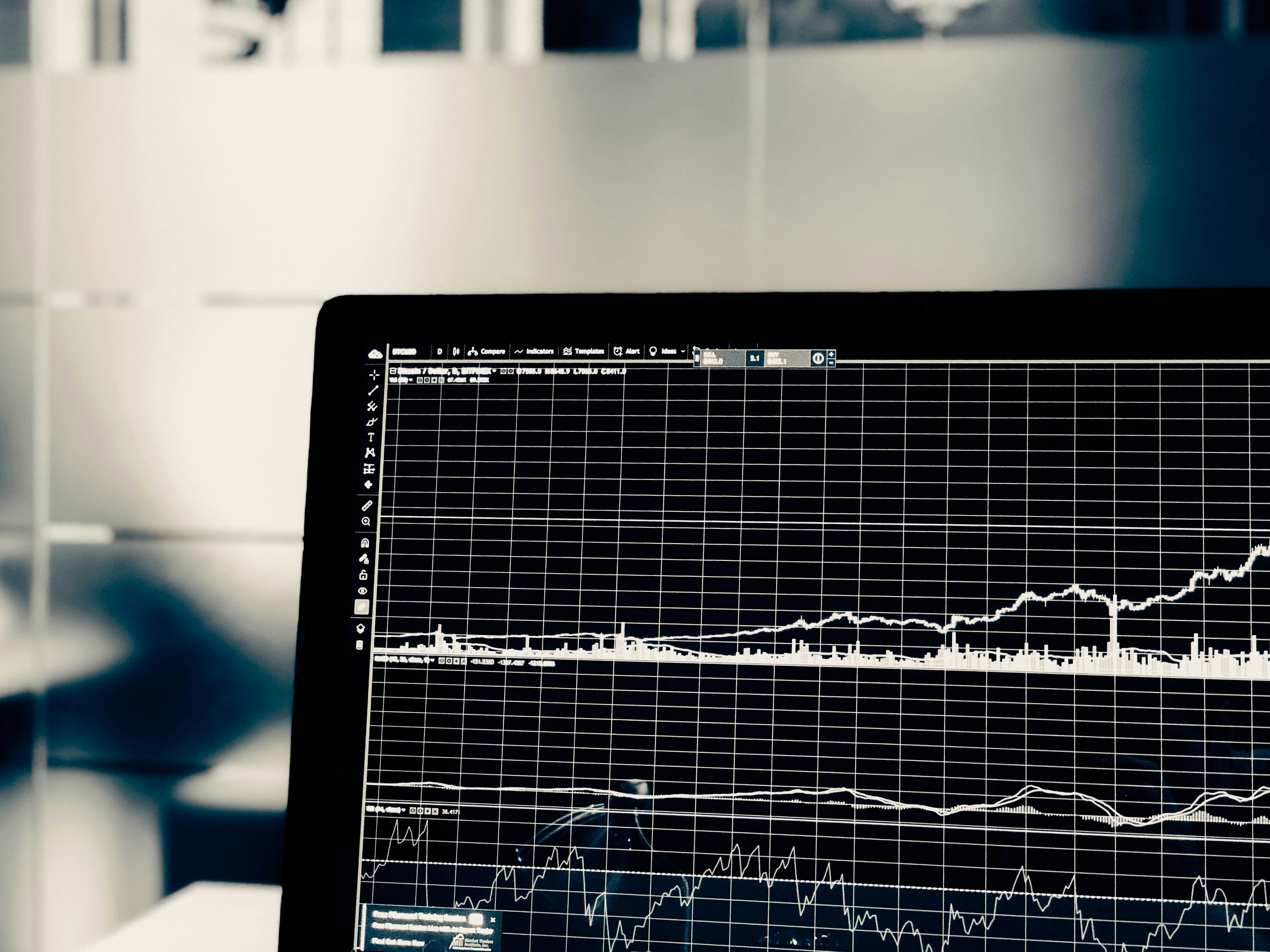
Understanding Economic Analysis
Economic analysis is a systematic approach to understanding how economic factors and market dynamics influence business decisions and outcomes. It involves scrutinizing data related to economic activities to uncover insights that can guide strategic planning. This analysis can be categorized into two primary branches: microeconomics and macroeconomics. Microeconomics focuses on individual consumers and firms, exploring how they make decisions regarding the allocation of resources. On the other hand, macroeconomics examines the broader economic landscape, including national performance indicators, inflation rates, and employment levels.
Understanding these concepts is crucial for businesses seeking to navigate complex market conditions effectively. By employing microeconomic analysis, businesses can assess consumer behavior, price elasticity, and the competitive landscape, allowing them to tailor their products and services to meet specific market demands. Macroeconomic analysis complements this by providing a context for understanding overall economic trends, such as GDP growth or recession indicators, which can affect business performance at a larger scale.
Furthermore, economic analysis proves invaluable in identifying trends that may affect business strategies. For instance, by analyzing historical data, companies can forecast potential market changes, enabling them to adapt their strategies proactively. This proactive approach can mitigate risks and identify opportunities in the market, ultimately leading to more informed decision-making.
Incorporating economic analysis into strategic planning enhances a business’s capability to respond to market fluctuations adeptly. By understanding economic indicators and their implications, businesses can better position themselves to capitalize on emerging trends, ensuring long-term growth and sustainability. Thus, the importance of economic analysis in formulating a robust business strategy cannot be overstated, as it equips organizations with the knowledge needed to thrive in an ever-changing economic environment.
Identifying Market Trends Through Economic Indicators
Understanding market trends is crucial for any business aiming to thrive in an ever-changing economic landscape. Economic indicators serve as essential tools that can provide valuable insights into the health of the economy, thereby guiding strategic decisions. Key indicators such as Gross Domestic Product (GDP), unemployment rates, inflation rates, and consumer spending play a significant role in helping businesses identify and navigate market trends.
Gross Domestic Product (GDP) is a primary indicator that measures the total economic output of a country. A rising GDP often signifies economic growth, suggesting that consumer demand might increase, which can influence businesses to expand their operations or adjust their supply. Conversely, a declining GDP may urge companies to reassess their strategies, possibly leading to cost-cutting measures or diversification into new markets.
Unemployment rates are another vital economic indicator. High unemployment rates can indicate a struggling economy, leading to decreased consumer confidence and spending. Businesses can use this information to prepare for potential declines in sales, thereby adapting their pricing strategies or focusing on essential goods and services. By monitoring unemployment rates, companies can better align their workforce needs with market realities.
Inflation rates also play a critical role in the decision-making process. Healthy inflation can signal steady economic growth, but rising inflation might suggest increasing costs for businesses, affecting profit margins. Understanding inflation allows companies to adjust their pricing strategies accordingly to maintain competitiveness in the market.
Finally, consumer spending is perhaps the most telling indicator of market trends. It reflects the purchasing behavior of consumers and can greatly influence business strategies. By analyzing trends in consumer expenditure, businesses can tailor their product offerings to meet evolving demands, ensuring relevance in their respective markets.
In conclusion, by effectively analyzing these key economic indicators, businesses can identify market trends and respond proactively, ensuring their strategic planning aligns with current economic conditions.
Case Studies of Successful Businesses Leveraging Economic Analysis
Various companies across different sectors have effectively utilized economic analysis to shape their business strategies, illustrating the power of data-driven decision-making. One notable example is Walmart, the retail giant, which uses extensive market and economic data to optimize its supply chain operations. Walmart closely monitors consumer purchasing patterns and broader economic indicators, such as unemployment rates and disposable income levels. By analyzing this economic data, Walmart can adjust its inventory levels and pricing strategies, ensuring that it meets customer demands while maximizing profit margins. The result has been a sustained competitive edge in the retail sector.
Another compelling case is that of Ford Motor Company, which successfully adapted its production strategies based on an analysis of economic conditions. During the global financial crisis, Ford leveraged economic analysis to streamline operations and adjust its product offerings in response to changing consumer preferences and economic constraints. By conducting detailed market research, management identified a shift toward more fuel-efficient vehicles. This insight led to a strategic pivot to emphasize the production of hybrid and electric vehicles. The process not only helped Ford to navigate the downturn, but also positioned it favorably as consumer demand began to rebound, driving significant growth in subsequent years.
Lastly, Starbucks serves as an insightful example of leveraging economic analysis to expand its market reach. The coffeehouse chain utilized economic indicators such as local income levels and demographics to determine optimal locations for new stores. By analyzing data trends related to urbanization and consumer spending habits, Starbucks was able to open new locations in high-demand areas, significantly enhancing its market presence. This strategic planning enabled Starbucks to achieve not only brisk sales growth but also an increase in brand loyalty among consumers, showcasing the tangible benefits of economic analysis in strategic business planning.
Implementing Economic Analysis in Your Business Strategy
Integrating economic analysis into your business strategy is essential for staying competitive in today’s dynamic market environment. The first step in this process is to identify the specific economic indicators relevant to your industry. These may include metrics such as GDP growth, inflation rates, and local employment figures. Familiarizing yourself with these indicators will enable you to understand the broader economic landscape and anticipate changes that could impact your business.
Next, utilizing the right tools is crucial for gathering data. Many software options and analytical platforms are available that can assist businesses in accessing and interpreting economic data. Tools such as Tableau, Google Analytics, and specific economic dashboards can streamline this process, enabling you to visualize trends and patterns effectively. Investing in these resources will significantly enhance your analytical capabilities.
Data interpretation is another vital aspect of implementing economic analysis. It is important to cultivate skills in critical analysis to derive actionable insights from the data you collect. This includes recognizing seasonal trends, demographic shifts, and market sentiments. Participating in workshops or online courses focused on data analytics can bolster your team’s proficiency in this area, ensuring that your analyses lead to informed strategic decisions.
Finally, using the insights gained from economic analysis requires a proactive approach. Integrating these insights into your business strategy may involve adjusting marketing tactics, refining product offerings, or even exploring new market opportunities. Regularly reviewing economic conditions and their potential impacts will allow your business to adapt swiftly to changes, thereby fostering resilience and promoting growth. By treating economic analysis as an ongoing, integral component of your decision-making framework, you will equip your organization to navigate both challenges and opportunities that arise within the market landscape.
This content has been prepared by the Studentanswers editorial team for educational and informational purposes only. We recommend consulting a qualified professional before making any personal decisions.
