
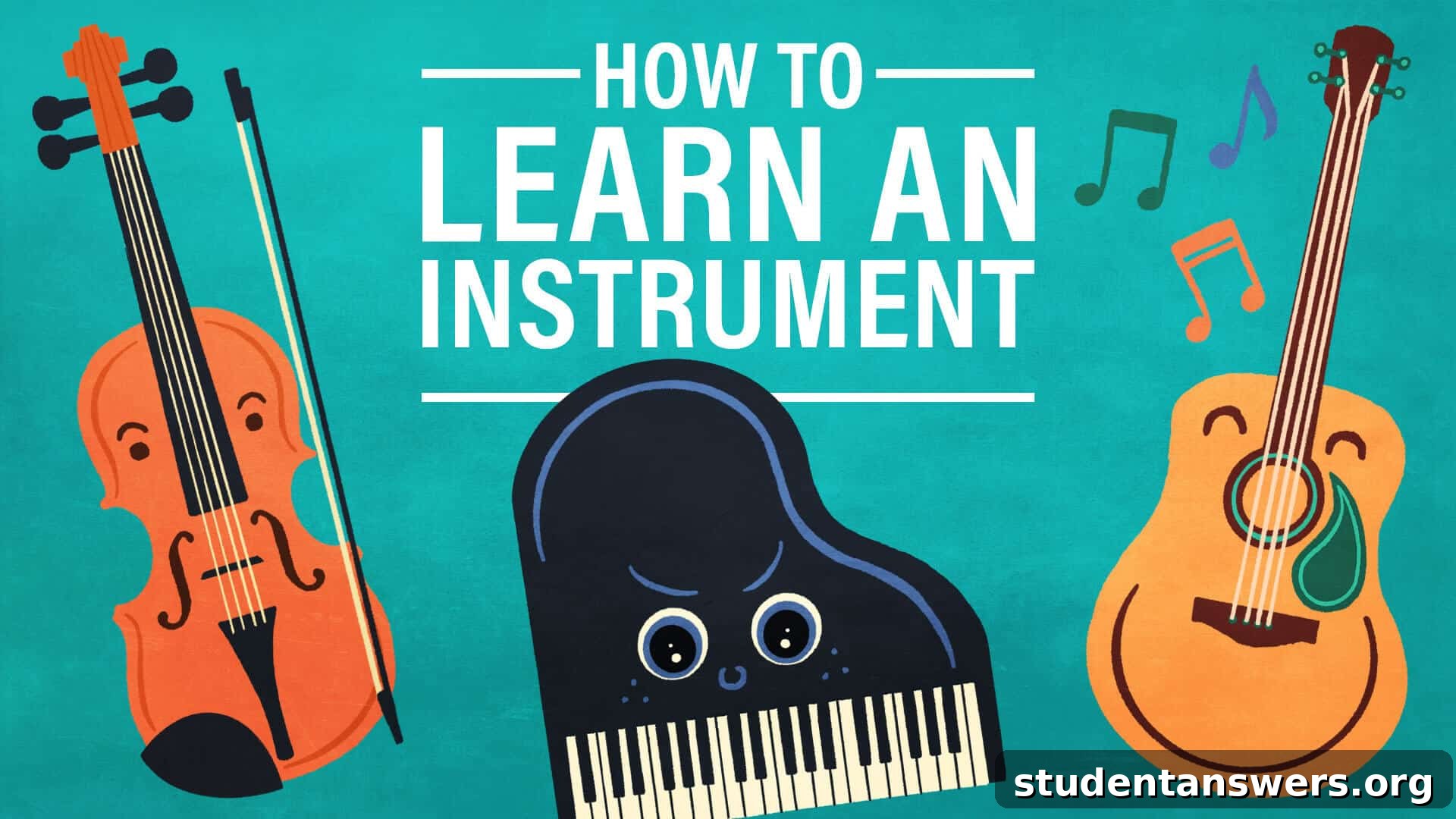
How to Learn a Musical Instrument: A Comprehensive Guide for Adult Beginners
There’s a unique magic to music that resonates with all of us. Have you ever listened to a beautiful piano melody or a soulful guitar riff and thought, “I wish I could do that”? For many, the dream of playing an instrument is a lifelong ambition, often tucked away in a closet like an old, forgotten guitar. I’ve been there. For years, instruments were a part of my life, but I never pushed past a certain skill level. I hit a plateau and, rather than breaking through, I moved on.
But something changed recently. I decided to rededicate myself to the piano, and in just a few months, my understanding of both music theory and practical playing has grown more than it has in the last five years combined. This journey of rediscovery has been incredibly rewarding, proving that it’s never too late to learn. If you have an instrument you’ve always wanted to play, or perhaps one gathering dust somewhere, this is your sign. It’s time to clear your schedule, open your mind, and rekindle your passion for making music. This guide will walk you through everything you need to know to start your own musical journey, from choosing the right instrument to practicing effectively and finding the best resources to help you succeed.
Why You Should Learn an Instrument: The Incredible Benefits of Music
Beyond the simple joy of creating sound, learning a musical instrument offers a wealth of scientifically-backed benefits that enrich your mind and spirit. It’s a holistic workout for your brain, enhancing cognitive functions in ways that few other activities can. Studies have shown that musicians often have better memory, problem-solving skills, and higher levels of executive function. The act of reading music, coordinating both hands, and listening intently engages multiple areas of the brain simultaneously, building stronger neural connections.
The emotional benefits are just as profound. Playing an instrument is a powerful form of self-expression and an incredible outlet for stress. After a long day, sitting down at a piano or picking up a guitar can be a meditative experience, allowing you to channel your feelings into something beautiful. The sense of accomplishment you get from mastering a difficult passage or finally playing a favorite song from start to finish is a massive confidence booster. Furthermore, learning music teaches you invaluable life skills like discipline, patience, and perseverance. It’s a journey of incremental progress, where small, consistent efforts compound over time into remarkable skill. It’s more than a hobby; it’s an investment in your personal growth.
Choosing Your Instrument: Finding Your Perfect Musical Partner
The first exciting step on your musical journey is choosing your instrument. This decision can feel overwhelming, but it’s best guided by one simple question: What music do you love to listen to? If you’re drawn to classical sonatas, the piano might be your calling. If you love rock anthems and folk songs, the guitar is a natural fit. Your passion for a particular sound will be the fuel that keeps you going when practice gets tough.
Once you have an idea, consider the practical aspects. Your budget will play a role; a beginner keyboard is far more affordable than a grand piano, and a used acoustic guitar can be a fantastic starting point. Think about space and noise. Do you have room for a drum kit, or would an electronic kit with headphones be a better option for your apartment? Instruments like the ukulele or harmonica are incredibly portable and relatively quiet, making them easy to practice anywhere.
Popular Choices for Beginners:
- Piano/Keyboard: The visual layout of the keys makes it one of the best instruments for understanding music theory. Digital pianos are versatile, affordable, and come with headphone jacks for silent practice.
- Guitar: A cornerstone of modern music, the guitar is portable and versatile. Starting with an acoustic guitar is common, as it builds finger strength, but an electric guitar can be easier on the fingertips for absolute beginners.
- Ukulele: Often called the “happy instrument,” the ukulele is small, affordable, and has only four nylon strings, making it less intimidating and easier on the fingers than a guitar.
- Bass Guitar: If you’re drawn to the rhythm and groove of a song, the bass might be for you. It’s the foundation of the band and a crucial, often-underappreciated instrument.
Before you commit, try to get your hands on a few different instruments. Visit a local music store and ask if you can hold a guitar or press the keys on a piano. Feeling the instrument in your hands can help solidify your choice. Remember, the “best” instrument is the one that you’re excited to pick up and play every single day.
The Essential First Steps: Building a Solid Foundation
Once you have your instrument, the temptation is to jump straight into learning your favorite songs. While that’s a great goal, taking the time to build a solid foundation will accelerate your progress exponentially in the long run. This means focusing on three core areas: music theory, ear training, and proper technique.
Understanding the Importance of Music Theory
Music theory is not the scary, abstract subject many people imagine it to be. Think of it as the grammar of music. It provides the rules and patterns that explain why certain notes sound good together. Learning the basics—like scales, chords, and rhythm—empowers you to understand the music you love on a deeper level. Instead of just memorizing where to put your fingers, you’ll start to see the structure behind the songs, making it easier to learn new pieces, improvise, and even write your own music. A fantastic, accessible starting point is the book Music Theory 101. For visual learners who enjoy deep dives, the YouTube channel of Adam Neely is an incredible resource for exploring complex ideas in an engaging way.
Developing Your Ear and Proper Technique
Your ear is your most important musical tool. Start training it by listening actively to music. Try to hum the melody of a song, then see if you can find those notes on your instrument. Listen for the bassline or the chord changes. This practice, known as ear training, bridges the gap between the music you hear in your head and the music you can create with your hands. Equally important is developing proper technique from day one. Good posture and hand position will not only make playing easier and more efficient but will also prevent strain and potential injury down the road. Watch tutorials for your specific instrument, focusing on how experienced players hold their instrument, position their hands, and stay relaxed while playing.
Creating an Effective Practice Routine: The Secret to Real Progress
The difference between someone who learns an instrument and someone who gives up is almost always consistency. Talent is a myth; progress comes from dedicated, intelligent practice. The key is to build a sustainable routine that becomes a natural part of your day.
Consistency Over Cramming
It’s far more effective to practice for 20 minutes every day than for two hours once a week. This principle of consistent, small efforts is brilliantly explained by James Clear in his book Atomic Habits. The goal is to make your practice habit so easy that you can’t say no. Leave your guitar on a stand in your living room instead of in its case. Set a specific, achievable goal, like “I will play scales for five minutes after I brush my teeth.” These small wins build momentum and transform practice from a chore into a rewarding ritual.
The Structure of a Smart Practice Session
Simply noodling around for 20 minutes isn’t the most efficient way to improve. A structured session ensures you’re working on all aspects of your musicianship. A balanced routine might look like this:
- Warm-up (5 minutes): Start with simple exercises like scales or arpeggios to get your fingers moving and your mind focused.
- Technique (5 minutes): Isolate a specific skill you want to improve. This could be practicing smooth chord changes on the guitar or playing even scales on the piano.
- Repertoire (10 minutes): Work on the songs you’re learning. Don’t just play them from start to finish; identify the trickiest parts and practice them slowly and deliberately until they become smooth.
- Fun (5 minutes): End your session with something you enjoy. This could be improvising, trying to play a song by ear, or just jamming along to a backing track. This ensures you always end on a positive, creative note.
Remember that plateaus are a normal and inevitable part of the learning process. When you feel stuck, slow down, revisit the fundamentals, and trust that with consistent practice, you will break through.
Powerful Tools and Resources for the Modern Musician
Learning an instrument today is easier than ever before, thanks to a vast ecosystem of digital tools and online resources. These can supplement traditional lessons or serve as your primary guide on a self-taught journey.
Interactive Learning Apps
Apps have gamified the learning process, offering instant feedback that was once only available from a teacher. Yousician listens as you play through your device’s microphone and tells you in real-time if you’re hitting the right notes. For pianists, Synthesia provides a “Guitar Hero” style visualization of songs, showing which keys to press as the notes fall, making it a fun way to learn new pieces.
Sheet Music and Educational Content
For those who want to read and write music, MuseScore offers a massive library of free sheet music and powerful, user-friendly composition software. YouTube is a treasure trove of knowledge. Channels like the Ken Tamplin Vocal Academy offer world-class vocal instruction, while countless guitar tutorials break down complex concepts like the CAGED system into easy-to-understand lessons. To deepen your appreciation for music’s structure, courses like Robert Greenberg’s How to Listen to and Understand Great Music can completely change the way you hear your favorite songs.
Your Musical Journey Starts Now
Learning to play a musical instrument is one of the most fulfilling challenges you can undertake. It’s a journey that offers constant rewards, from the simple pleasure of playing a single, clear note to the profound satisfaction of mastering a complete piece. The path isn’t always easy—it requires patience, dedication, and a willingness to embrace imperfection. But every moment spent practicing is an investment in yourself, building not only a new skill but also a deeper connection to the music that shapes our lives.
Don’t wait for the “perfect” time to start. The perfect time is now. Pick an instrument that speaks to you, build a consistent practice habit, and leverage the incredible resources available to you. Celebrate every small victory along the way, and most importantly, have fun. The goal isn’t to become a virtuoso overnight; it’s to enjoy the beautiful, lifelong process of making music.