
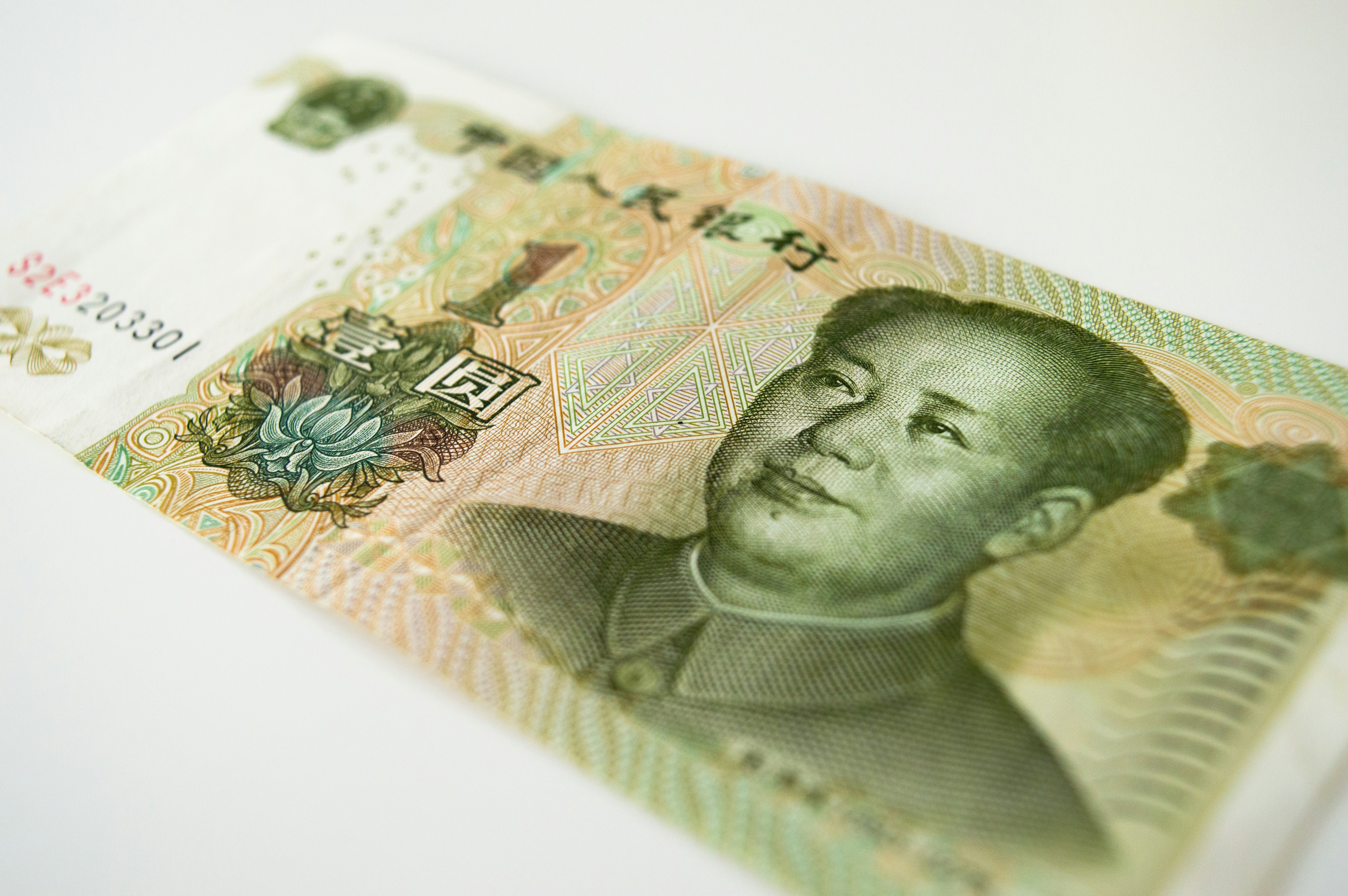
Introduction to China’s Economic Growth
China’s remarkable economic ascent over the past few decades has positioned it as the world’s second-largest economy, trailing only the United States. This growth has been characterized by significant shifts in industrial capacity, foreign investment, and technological innovation, contributing to China’s nominal GDP advancing to unprecedented levels. Understanding the factors that have driven this economic trajectory provides essential insight into the global economic landscape.
The foundation of China’s rapid economic progress began in the late 20th century when the country embraced market-oriented reforms, transitioning from a state-planned economy to one increasingly open to international trade and investment. The introduction of policies allowing for private enterprises and foreign direct investment catalyzed growth, enabling China to become a focal point for global manufacturing. As a result, the country’s economy witnessed an elevation in industrial output and a boost in employment, which further stimulated economic activities and consumer spending.
Moreover, China’s ascent in economic stature can also be attributed to its integration into the global market. Joining the World Trade Organization (WTO) in 2001 marked a significant milestone that opened avenues for trade expansion and exposure to global markets. Since that juncture, China has demonstrated an unwavering commitment to reinforcing its manufacturing prowess, while also investing heavily in research and development in various sectors such as technology and renewable energy. This strategy has fostered economic diversification and resilience, aiming to transform China into a leader in innovation on a global scale.
To provide context, Gross Domestic Product (GDP) serves as a critical indicator of economic health, reflecting the total market value of all goods and services produced in a country within a given time frame. Currently, China boasts the world’s second-largest nominal GDP in current dollars, solidifying its position as a key player in international economics. Through its sustained and strategic economic growth, China’s achievements underscore its pivotal role as a driver of global economic dynamics.
Understanding Nominal GDP vs. Purchasing Power Parity (PPP)
Gross Domestic Product (GDP) is a critical economic indicator that reflects the monetary value of all finished goods and services produced within a country in a specific period. It is commonly assessed in two main ways: nominal GDP and Purchasing Power Parity (PPP). Understanding these terms is crucial when evaluating a country’s economic standing and international competitiveness.
Nominal GDP represents the total market value of all goods and services produced in a country, calculated at current prices without adjusting for inflation or cost of living differences. For instance, China has achieved the status of having the world’s second-largest nominal GDP, a reflection of its extensive industrial production and significant contributions to global trade. However, this metric may not fully capture the economic well-being of a nation’s population.
In contrast, Purchasing Power Parity (PPP) is an economic theory that compares different countries’ currencies through a “basket of goods” approach. PPP allows for a more accurate assessment of living standards and economic productivity by considering the relative costs of living and inflation rates of countries. When measured on a PPP basis, China emerges as the largest economy, highlighting its ability to produce goods and services that meet its citizens’ needs at comparatively lower prices.
The distinction between nominal GDP and PPP is significant as it provides insights into not only the size of an economy but also its actual purchasing capability and living standards. While nominal GDP showcases where China stands as the second-largest economy globally, the PPP measurement indicates a broader economic narrative, emphasizing the country’s vast domestic market and consumer base. These metrics together offer a comprehensive picture of China’s economic power.
Factors Contributing to China’s Economic Success
China’s remarkable ascent to become the world’s second-largest economy can be attributed to a combination of strategic government policies, substantial investments in technology and infrastructure, a robust manufacturing sector, and engagement in globalization. Each of these elements has played a crucial role in shaping the current economic landscape.
Firstly, the Chinese government has implemented a series of market-oriented reforms since the late 1970s. These reforms, which shifted the economy from a centrally planned system to a more market-driven model, have facilitated rapid economic growth. Policies aimed at fostering foreign investments, such as Special Economic Zones (SEZs), have attracted global companies seeking to tap into the vast Chinese market. This commitment to reform has established a conducive environment for economic activities, thereby positioning China as an economic powerhouse.
Investment in technology and infrastructure has further bolstered China’s economic trajectory. The government has prioritized the development of urban infrastructure, transportation networks, and digital technologies. This has not only enhanced connectivity within the country but has also streamlined trade routes, both domestically and internationally. With advancements in technology, such as artificial intelligence and high-speed rail, China has strengthened its competitive edge in various sectors, fostering innovation and efficiency.
The manufacturing sector also plays a vital role in China’s economy. Known as the “world’s factory,” China has established itself as a leading producer of goods, thanks to its expansive labor force and cost-effective production capabilities. This manufacturing dominance has facilitated exports to numerous countries, contributing significantly to the nominal GDP of China.
Lastly, globalization has integrated China into the world economy, enhancing trade relations. The Belt and Road Initiative (BRI) exemplifies China’s efforts to expand its influence through infrastructure investments in various countries. Not only does this increase China’s exports, but it also promotes foreign investment and economic cooperation.
In conclusion, China’s economic success is multifaceted, driven by effective governance, technological advancements, a formidable manufacturing sector, and active participation in global trade. These factors collectively underscore China’s position as the second-largest economy in the world.
Future Outlook: Challenges and Opportunities for China
As China’s status as the world’s second-largest economy continues to solidify, the nation faces a complex array of challenges and opportunities that will significantly shape its economic future. One of the foremost challenges is the aging population. With a declining birth rate and increasing life expectancy, China is projected to experience a demographic shift that could strain its workforce. This demographic change may lead to a labor shortage, impacting productivity and economic growth in the long run. Policymakers will need to address these demographic changes through reforms in pension systems, healthcare, and immigration policies to maintain a sustainable economic trajectory.
Environmental sustainability represents another critical challenge. Rapid industrialization and urbanization have led to severe environmental degradation, prompting the government to rethink its economic strategies. Moving forward, China has the opportunity to lead globally in green technologies and renewable energy sources. Investment in sustainable practices can not only mitigate environmental impacts but also create new job sectors as the world shifts towards sustainable development goals.
Trade tensions, particularly with Western nations, pose another layer of complexity for China’s economy. The ongoing trade disputes have resulted in tariffs and restrictions that could undermine growth prospects. However, these challenges also present opportunities for China to diversify its trade partnerships, particularly with emerging markets in Asia, Africa, and Latin America. By fostering stronger economic ties and participating in regional trade agreements, China can enhance its global economic standing while mitigating risks from a singular trade focus.
In conclusion, China’s economy is at a critical juncture characterized by both challenges and opportunities. By addressing demographic issues, focusing on sustainability, and navigating trade complexities, China can position itself for continued growth while also ensuring that it remains the world’s second-largest economy, fortifying its role on the global stage.
This content has been prepared by the Studentanswers editorial team for educational and informational purposes only. We recommend consulting a qualified professional before making any personal decisions.


