
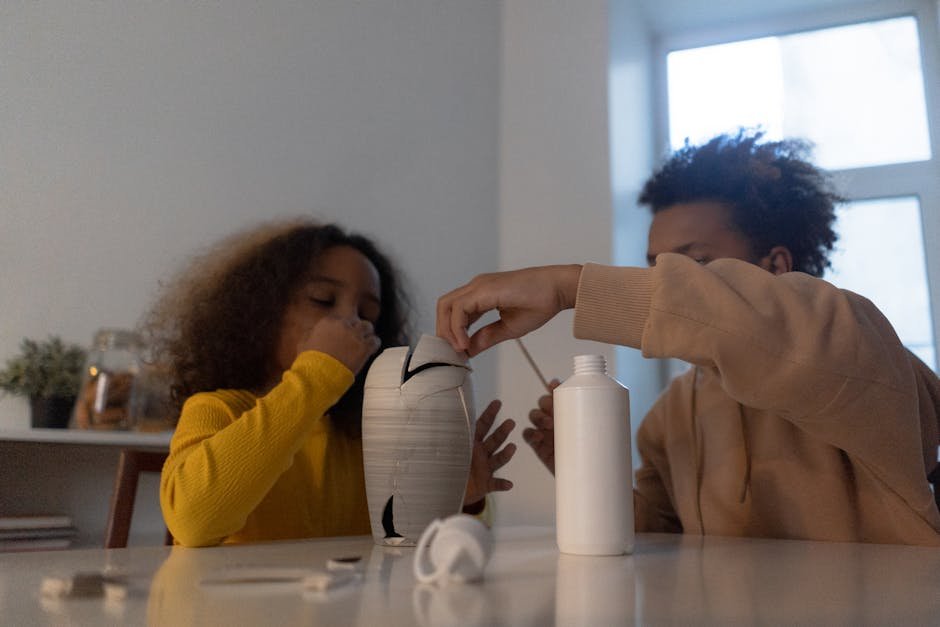
Okay, so my kids (ages 4 and 7) are obsessed with their iPads. We try to limit it, but honestly, sometimes it’s the only way to get a quiet moment! But I’m feeling guilty and I know too much screen time isn’t good for them. I’m looking for practical, realistic alternatives that will actually keep them entertained and engaged, especially on rainy days or when I need to get some things done around the house.
I’ve tried things like coloring books, but they lose interest fast. Building blocks are better, but only last for so long. We have a small backyard, but it’s not always accessible depending on the weather.
So, what are some really good, creative, and ideally low-prep alternatives to screens that will actually keep my kids busy and happy? Bonus points if they’re educational or get them moving! We are open to almost anything. We just need good ideas to get us started.
Answer
Alternatives to screen time for children can foster creativity, physical activity, social skills, and cognitive development in a variety of engaging ways. These alternatives aim to provide enriching experiences that stimulate different areas of a child’s development, offering benefits that extend beyond mere entertainment.
Creative and Artistic Activities:
- Arts and Crafts: This broad category includes activities like drawing, painting, coloring, sculpting with clay or playdough, making collages, and creating jewelry. These activities enhance fine motor skills, encourage self-expression, and foster imagination. Different art mediums like watercolors, acrylics, pastels, and colored pencils offer varying textures and challenges, allowing children to experiment and discover their preferences.
- Creative Writing: Encouraging children to write stories, poems, or even simple journals can boost their language skills, improve their vocabulary, and nurture their imagination. Providing prompts or story starters can help overcome writer’s block and encourage them to explore different narrative styles.
- Music: Playing a musical instrument, singing, or even just listening to music actively can stimulate the brain and foster creativity. Learning an instrument requires discipline and coordination, while singing improves vocal skills and memory. Music also provides an outlet for emotional expression.
- Building and Construction: Using building blocks, LEGOs, or even cardboard boxes to create structures encourages problem-solving skills, spatial reasoning, and creativity. These activities also promote fine motor skills and hand-eye coordination.
- Drama and Role-Playing: Encouraging children to act out stories, create their own plays, or engage in imaginative role-playing scenarios fosters creativity, communication skills, and empathy. They can explore different characters, practice social interactions, and develop their storytelling abilities.
Physical Activities and Outdoor Play:
- Outdoor Play: Playing in the backyard, park, or playground provides opportunities for physical activity, fresh air, and social interaction. Running, jumping, climbing, swinging, and playing games like tag or hide-and-seek promote cardiovascular health, muscle development, and coordination.
- Organized Sports: Participating in organized sports like soccer, basketball, baseball, or swimming teaches teamwork, discipline, and sportsmanship, while also providing physical exercise. These activities also offer opportunities for social interaction and skill development under the guidance of a coach or instructor.
- Biking and Scootering: Riding bikes or scooters is a fun and engaging way to get exercise and explore the neighborhood. It improves balance, coordination, and cardiovascular health.
- Hiking and Nature Walks: Exploring nature trails and going on hikes exposes children to the natural world, encourages physical activity, and provides opportunities for learning about plants, animals, and ecosystems.
- Dancing: Dancing, whether structured or freestyle, is a fun and energetic way to improve coordination, flexibility, and cardiovascular health. It also provides an outlet for self-expression and emotional release.
Educational and Cognitive Activities:
- Reading: Reading books aloud to children or encouraging them to read independently expands their vocabulary, improves their comprehension skills, and fosters a love of learning. Visiting the library and selecting books based on their interests can make reading a more enjoyable experience.
- Board Games and Card Games: Playing board games and card games promotes strategic thinking, problem-solving skills, and social interaction. Many games also involve math skills, vocabulary building, and memory development.
- Puzzles: Solving puzzles, such as jigsaw puzzles, crossword puzzles, or logic puzzles, challenges cognitive skills, improves spatial reasoning, and enhances problem-solving abilities.
- Science Experiments: Conducting simple science experiments at home can spark curiosity, encourage critical thinking, and foster a love of science. Exploring topics like chemistry, physics, and biology through hands-on activities makes learning more engaging and memorable.
- Gardening: Planting and tending to a garden teaches children about the natural world, promotes responsibility, and provides opportunities for learning about botany, ecology, and nutrition.
Social Activities:
- Playdates: Arranging playdates with friends or classmates provides opportunities for social interaction, cooperation, and conflict resolution. Children can learn to share, compromise, and work together in a playful setting.
- Family Time: Spending quality time with family, such as playing games, cooking meals together, or going on outings, strengthens family bonds and creates lasting memories.
- Volunteering: Participating in volunteer activities teaches children about empathy, compassion, and the importance of giving back to the community. It also provides opportunities for social interaction and skill development.
- Joining Clubs or Groups: Participating in clubs or groups that align with a child’s interests, such as scouting, sports teams, or art clubs, provides opportunities for social interaction, skill development, and a sense of belonging.
- Visiting Relatives: Spending time with grandparents, aunts, uncles, and cousins strengthens family connections and provides opportunities for intergenerational learning and storytelling.
Practical Life Skills:
- Cooking and Baking: Involving children in cooking and baking teaches them about nutrition, math skills, and following instructions. It also promotes creativity and provides opportunities for family bonding.
- Household Chores: Assigning age-appropriate household chores teaches children responsibility, teamwork, and the importance of contributing to the family.
- Learning a New Language: Introducing children to a new language expands their cognitive abilities, improves their communication skills, and broadens their cultural awareness.
- Coding and Programming: Learning basic coding and programming skills introduces children to computational thinking, problem-solving, and creativity in the digital world.
- Woodworking or Other Crafts: Learning woodworking, sewing, or other hands-on crafts teaches children practical skills, improves their fine motor skills, and fosters creativity.
The effectiveness of these alternatives depends on the child’s age, interests, and developmental stage. It’s crucial to provide a variety of options and allow children to explore different activities to discover what they enjoy most. Parents and caregivers can play an active role in facilitating these experiences by providing resources, encouragement, and guidance.

