What are the best ways for students to develop their creativity?
Okay, here’s the revised post:
# What are the best ways for students to develop their creativity?
I’m a teacher, and I’m constantly looking for new and engaging ways to foster creativity in my students. I’m not just talking about art class either! I want to help them be more creative problem-solvers in all subjects, from math and science to history and English.
What are some practical, actionable strategies that I can implement in the classroom to encourage out-of-the-box thinking? Are there any specific activities or projects that have worked well for others? I’m especially interested in techniques that cater to different learning styles and ability levels. Also, are there any pitfalls to avoid when trying to foster creativity? I don’t want to accidentally stifle their natural curiosity and imagination.
Answer
Students can develop their creativity through a multifaceted approach that incorporates various strategies and activities. Here are several effective methods:
1. Embrace Experimentation and Play:
- Unstructured Time: Provide dedicated time for free exploration without specific goals. This allows students to follow their curiosity and engage in playful experimentation.
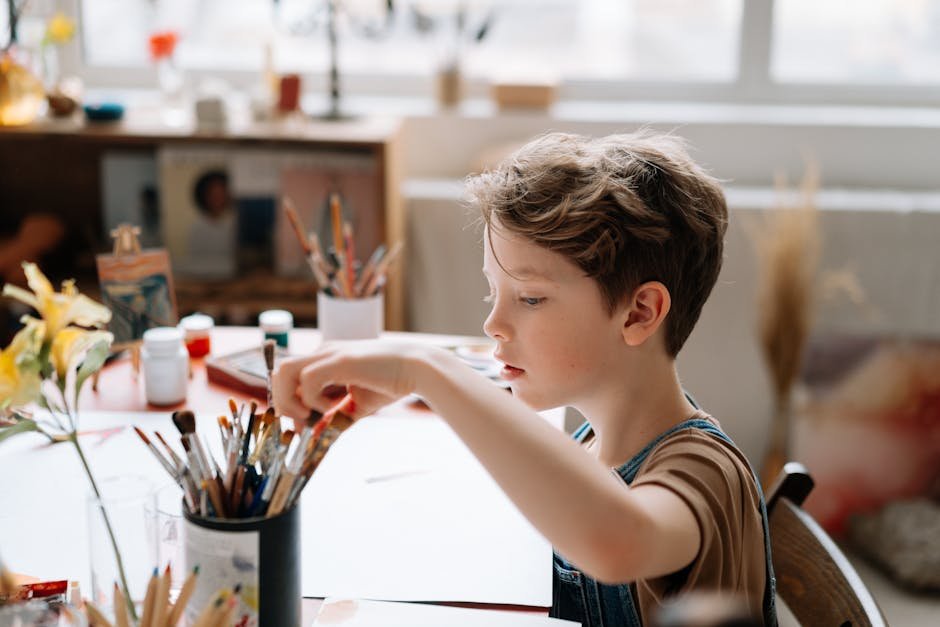
- Material Exploration: Offer diverse materials like art supplies, building blocks, or technological tools for students to manipulate and combine in novel ways.
- "What if…" Scenarios: Encourage students to ask "what if" questions and explore hypothetical situations, fostering imaginative thinking and problem-solving.
2. Cultivate a Growth Mindset:
- Emphasize Process Over Product: Focus on the learning journey and effort involved in creative endeavors rather than solely judging the final outcome.
- Reframe Failure as Learning: Teach students to view mistakes as opportunities for growth and refinement, reducing fear of taking risks.
- Encourage Self-Reflection: Prompt students to reflect on their creative process, identifying what worked well, what challenges they faced, and how they can improve in the future.
3. Foster Collaboration and Diverse Perspectives:
- Group Brainstorming: Facilitate brainstorming sessions where students can share ideas freely, build upon each other’s thoughts, and explore different perspectives.
- Peer Feedback: Encourage students to provide constructive criticism to one another, helping them see their work from different angles and identify areas for improvement.
- Cross-Disciplinary Projects: Integrate different subjects and disciplines to encourage students to connect seemingly unrelated ideas and develop novel solutions.
4. Immerse in Inspiration and Exposure:
- Exposure to Different Art Forms: Expose students to various art forms, including visual arts, music, dance, theater, and literature, to broaden their creative horizons.
- Visiting Museums and Galleries: Organize field trips to museums, galleries, and cultural centers to expose students to diverse creative expressions and inspire their own work.
- Studying Creative Individuals: Introduce students to the lives and works of creative individuals from various fields, highlighting their processes, challenges, and achievements.
5. Develop Observational Skills:
- Mindful Observation: Train students to observe their surroundings with attention to detail, noticing subtle patterns, textures, and relationships.
- Sketching and Drawing: Encourage students to sketch or draw what they observe, helping them develop visual acuity and translate their observations into creative representations.
- Sensory Exploration: Engage students in activities that stimulate their senses, such as exploring different textures, listening to diverse sounds, or tasting unfamiliar flavors, to enrich their sensory experiences and inspire creative expression.
6. Provide Opportunities for Creative Expression:
- Creative Writing Prompts: Offer open-ended writing prompts that encourage students to explore different genres, characters, and perspectives.
- Design Challenges: Present students with design challenges that require them to develop innovative solutions to real-world problems.
- Performance-Based Activities: Incorporate drama, music, and dance into the curriculum, allowing students to express themselves creatively through performance.
7. Encourage Questioning and Curiosity:
- Asking Open-Ended Questions: Encourage students to ask "why" and "how" questions to explore underlying assumptions and challenge conventional thinking.
- Research and Inquiry-Based Projects: Provide opportunities for students to pursue their own interests through research and inquiry-based projects, fostering curiosity and independent thinking.
- Debates and Discussions: Facilitate debates and discussions on controversial topics, encouraging students to articulate their perspectives and challenge opposing viewpoints.
8. Utilize Technology Creatively:
- Digital Art Tools: Introduce students to digital art tools, such as graphic design software, animation programs, and digital painting apps, to expand their creative possibilities.
- Multimedia Projects: Encourage students to create multimedia projects that combine different media, such as video, audio, and text, to express their ideas in engaging ways.
- Coding and Programming: Introduce students to coding and programming, which can foster logical thinking, problem-solving skills, and creative expression through the creation of interactive applications and games.
9. Integrate Creativity Across the Curriculum:
- Problem-Based Learning: Incorporate problem-based learning activities that require students to apply their knowledge and skills creatively to solve real-world problems.
- Project-Based Learning: Implement project-based learning activities that allow students to explore their interests and develop creative solutions to open-ended challenges.
- Differentiated Instruction: Tailor instruction to meet the diverse needs and learning styles of students, providing opportunities for them to express their creativity in ways that resonate with them.
10. Create a Supportive and Stimulating Environment:
- Safe Space for Risk-Taking: Foster a classroom environment where students feel comfortable taking risks, experimenting with new ideas, and making mistakes without fear of judgment.
- Positive Reinforcement: Provide positive reinforcement and encouragement for students’ creative efforts, recognizing their unique talents and celebrating their achievements.
- Flexible Seating Arrangements: Experiment with flexible seating arrangements to create a more dynamic and collaborative learning environment.
- Visually Stimulating Classroom: Decorate the classroom with inspiring artwork, posters, and student creations to create a visually stimulating and engaging learning environment.
This content has been prepared by the Studentanswers editorial team for educational and informational purposes only. We recommend consulting a qualified professional before making any personal decisions.