What are the most important skills for a teacher to have
Okay, so I’m starting my teacher training next month and I’m completely overwhelmed. I keep reading about all these different skills teachers need, and it’s just a lot. Like, classroom management, curriculum development, differentiation, assessment, communication… the list goes on and on!
But realistically, what are the really crucial ones? The ones that will make the biggest difference in my effectiveness, especially in the first few years? I’m thinking about teaching high school English, so things that are particularly relevant to that age group and subject would be extra helpful. Also, I’m a bit nervous about dealing with challenging behavior, so any skills related to that would be great to know about too! Basically, if you had to pick, say, the top 5-7 absolutely essential skills, what would they be, and why?
Answer
Effective teaching requires a complex interplay of skills, knowledge, and personal attributes. Here are some of the most crucial skills for a teacher to possess:
1. Communication Skills: This encompasses several sub-skills:
-
Clear and Concise Explanation: Teachers must be able to articulate complex concepts in a way that is understandable and accessible to students with varying levels of prior knowledge. This involves using appropriate vocabulary, providing relevant examples, and breaking down information into manageable chunks.
-
Active Listening: Paying attention not just to what students say, but also to their nonverbal cues, allowing the teacher to understand their needs, concerns, and misunderstandings. This includes providing encouraging feedback and asking clarifying questions.
-
Verbal and Nonverbal Communication: Using tone of voice, body language, and facial expressions to engage students, create a positive learning environment, and convey enthusiasm for the subject matter.
- Written Communication: Crafting clear and effective lesson plans, assessments, feedback, and communication with parents and colleagues.
2. Pedagogical Skills (Teaching Methods):
-
Curriculum Development and Adaptation: Understanding curriculum standards and objectives and being able to design and adapt lessons that align with these goals and meet the diverse needs of learners.
-
Instructional Strategies: Having a repertoire of different teaching methods (e.g., lectures, discussions, group work, project-based learning, inquiry-based learning) and knowing when to use each strategy to maximize student engagement and learning.
-
Differentiation: Adapting instruction to meet the individual needs of students, including those with learning disabilities, gifted students, and English language learners. This might involve modifying content, process, product, or environment.
-
Assessment: Designing and administering various types of assessments (e.g., formative, summative, diagnostic) to monitor student progress, identify areas of weakness, and inform instructional decisions. Knowing how to analyze assessment data to improve teaching practices.
- Classroom Management: Establishing and maintaining a positive and productive learning environment by setting clear expectations, enforcing rules fairly and consistently, and addressing disruptive behavior effectively.
3. Subject Matter Expertise:
-
Deep Understanding of Content: Possessing a thorough and up-to-date knowledge of the subject matter being taught. This includes understanding the underlying principles, key concepts, and current developments in the field.
- Ability to Connect Content to Real-World Applications: Making the subject matter relevant and engaging for students by demonstrating its practical applications and connections to their lives.
4. Technological Skills:
-
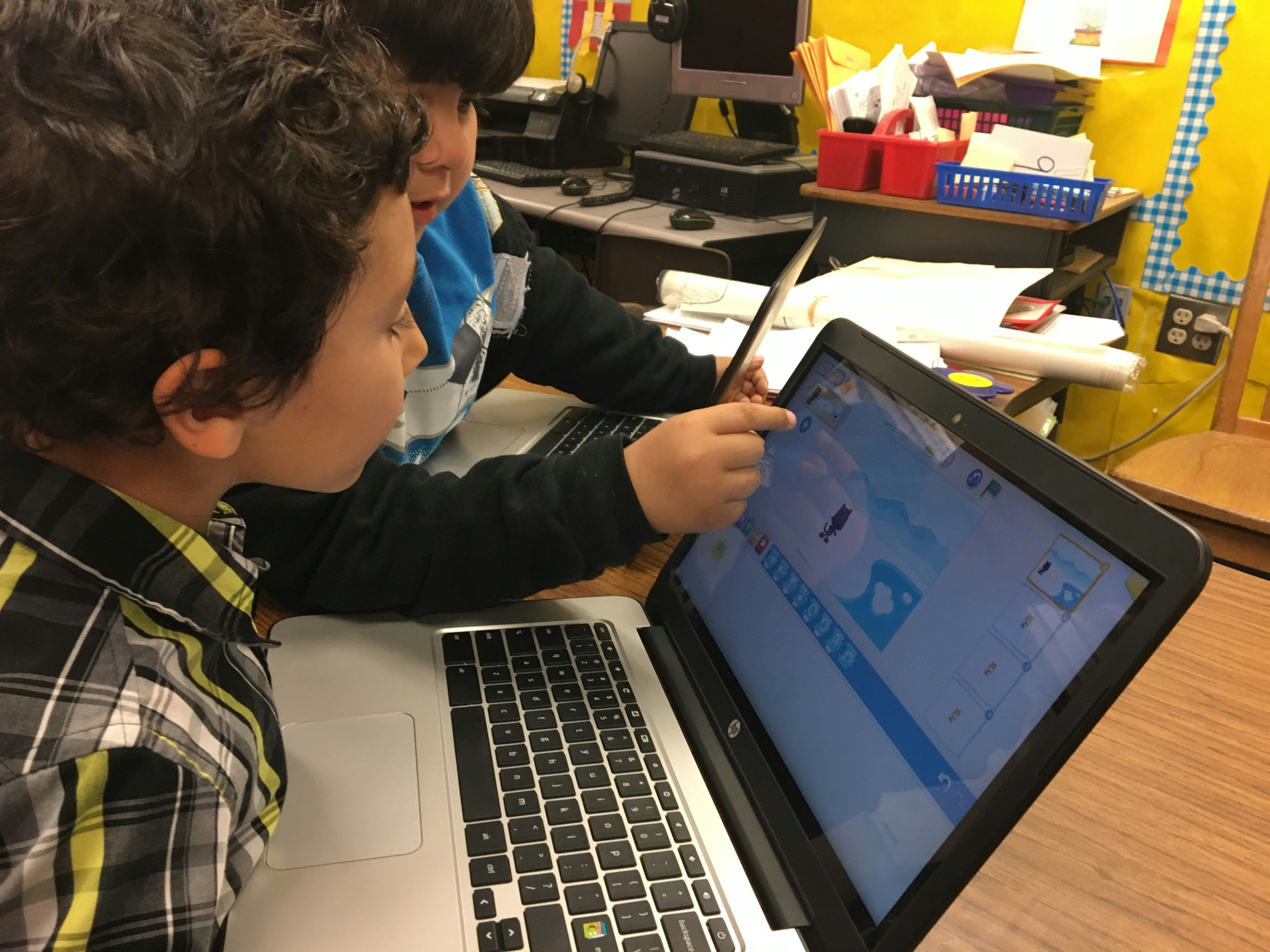
Using Technology for Instruction: Integrating technology into teaching to enhance student learning, such as using interactive whiteboards, educational software, online resources, and multimedia presentations.
-
Digital Literacy: Being proficient in using computers, the internet, and various software applications for communication, research, and professional development.
- Utilizing Learning Management Systems (LMS): Managing online course materials, facilitating online discussions, and tracking student progress using platforms like Canvas, Blackboard, or Google Classroom.
5. Organizational Skills:
-
Planning and Preparation: Developing well-structured lesson plans, gathering necessary materials, and anticipating potential challenges.
-
Time Management: Effectively managing class time, grading assignments, and meeting deadlines.
- Record Keeping: Maintaining accurate records of student attendance, grades, and progress.
6. Interpersonal Skills:
-
Empathy: Understanding and responding to the feelings and perspectives of students. Building positive relationships with students and creating a safe and supportive learning environment.
-
Patience: Demonstrating patience and understanding when working with students who are struggling or who have different learning styles.
-
Collaboration: Working effectively with colleagues, parents, and other stakeholders to support student learning.
- Conflict Resolution: Resolving conflicts fairly and constructively among students and with parents.
7. Critical Thinking and Problem-Solving Skills:
-
Analyzing Student Work: Evaluating student work critically to identify areas of strength and weakness and provide targeted feedback.
-
Adapting to Unexpected Situations: Responding effectively to unexpected events or challenges that arise in the classroom.
- Making Data-Driven Decisions: Using assessment data and other information to make informed decisions about instruction and curriculum.
8. Professionalism:
-
Ethical Conduct: Adhering to ethical principles and maintaining professional boundaries.
-
Lifelong Learning: Continuously seeking opportunities for professional development and staying up-to-date on best practices in education.
-
Reflective Practice: Regularly reflecting on one’s teaching practices to identify areas for improvement and refine one’s skills.
- Advocacy: Advocating for students and education policies that support their success.
These skills are interconnected and contribute to a teacher’s overall effectiveness. The relative importance of each skill may vary depending on the subject matter, grade level, and the specific needs of the students being taught. However, a strong foundation in all these areas is essential for creating a positive and impactful learning experience for students.
This content has been prepared by the Studentanswers editorial team for educational and informational purposes only. We recommend consulting a qualified professional before making any personal decisions.