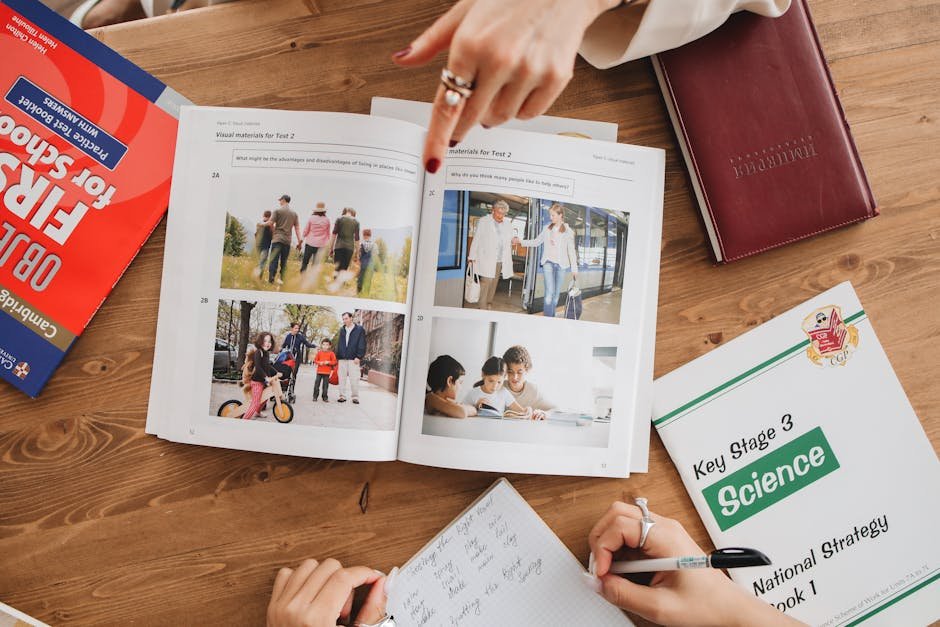
What is the role of education in improving literacy rates?
Okay, so I understand that education obviously plays a role in improving literacy rates. But I’m trying to understand the specifics. I’m writing a paper on this, and I need to go beyond just saying "education teaches people to read."
What specific aspects of education are most impactful? Is it the years spent in school? The curriculum? Teacher training? Access to resources like libraries and computers? Does the type of education matter? For example, is early childhood education more effective than adult literacy programs in the long run?
Also, I’m particularly interested in the challenges faced in developing countries. What are the key obstacles to using education to improve literacy rates in those contexts? Is it just a lack of funding, or are there cultural and social factors at play too? How does the education system need to be adapted to address those specific challenges? I’m thinking about things like language barriers, access for girls, and the opportunity cost of sending children to school instead of working. Basically, what are the most effective strategies for improving literacy through education, especially in places where resources are limited and challenges are significant?
Answer
Education plays a crucial and multifaceted role in improving literacy rates. It provides the foundational skills, knowledge, and support systems necessary for individuals to acquire and develop literacy skills, encompassing reading, writing, and comprehension. Here’s a detailed breakdown of the role of education in improving literacy rates:
1. Foundational Skill Development:
- Phonemic Awareness and Phonics: Early childhood education, specifically pre-primary and early primary levels, focuses on developing phonemic awareness (the ability to recognize and manipulate the individual sounds in words) and phonics (the relationship between letters and sounds). These skills are fundamental for decoding written language and learning to read. Structured literacy programs emphasize systematic and explicit phonics instruction.
- Vocabulary Development: Education systematically introduces and expands vocabulary through reading, listening, and direct instruction. A strong vocabulary is essential for comprehension and effective communication.
- Grammar and Syntax: Education provides instruction in grammar and syntax, enabling individuals to understand the structure of sentences and texts, which contributes to reading comprehension and writing proficiency.
2. Access to Resources and Materials:
- Provision of Books and Reading Materials: Schools and libraries provide access to a wide range of books and reading materials, catering to different reading levels and interests. This exposure to diverse texts is crucial for developing reading fluency and comprehension. Educational institutions often curate libraries and reading programs to encourage regular reading habits.
- Technology Integration: Modern education increasingly incorporates technology, providing access to digital literacy resources, e-books, and online learning platforms. This can enhance engagement and provide personalized learning experiences.
- Writing Tools and Instruction: Schools provide writing tools, such as pencils, paper, and computers, along with instruction in writing skills, including handwriting, grammar, and composition.
3. Qualified Teachers and Educators:
- Teacher Training: Education systems invest in training and professional development for teachers, equipping them with the knowledge and skills to effectively teach literacy. Teacher training programs emphasize evidence-based literacy instruction practices.
- Literacy Specialists: Schools often employ literacy specialists or reading coaches who provide targeted support to students struggling with literacy. These specialists work with teachers to implement effective interventions and strategies.
- Differentiated Instruction: Qualified teachers are trained to differentiate instruction, tailoring their teaching methods to meet the diverse needs of learners with varying literacy levels and learning styles.
4. Structured Learning Environment:
- Curriculum Development: Education systems develop comprehensive curricula that outline specific literacy goals and objectives for each grade level. These curricula ensure a systematic and sequential approach to literacy instruction.
- Regular Assessment: Education involves regular assessment of literacy skills through standardized tests, classroom assignments, and informal assessments. This allows teachers to monitor student progress and identify areas where additional support is needed.
- Remedial Support: Schools often provide remedial support or tutoring for students who are struggling with literacy. These interventions provide targeted instruction and individualized attention to help students catch up.
5. Creating a Culture of Literacy:
- Promoting Reading for Pleasure: Education encourages reading for pleasure through book clubs, reading challenges, and library visits. This helps foster a love of reading and motivates students to continue developing their literacy skills.
- Parental Involvement: Education programs often involve parents in their children’s literacy development through workshops, home reading programs, and communication about student progress. Parental involvement reinforces literacy learning at home.
- Community Partnerships: Schools may partner with community organizations, such as libraries, literacy centers, and volunteer groups, to provide additional literacy support to students and families.
6. Addressing Barriers to Literacy:
- Poverty Reduction: Education helps reduce poverty by providing individuals with the skills and knowledge they need to secure better employment opportunities. Poverty is a significant barrier to literacy, as it can limit access to resources and educational opportunities.
- Language Support: Education provides language support for students who are learning a new language. English as a Second Language (ESL) or English Language Learner (ELL) programs help these students develop the English language skills they need to succeed in school.
- Special Education Services: Education provides special education services for students with learning disabilities or other special needs that may affect their literacy development. These services include individualized education programs (IEPs) and specialized instruction.
- Gender Equality: Promoting girls’ education is crucial for improving overall literacy rates. Education empowers women and girls, giving them the skills and knowledge they need to participate fully in society and contribute to economic development.
7. Lifelong Learning:
- Continuing Education: Education promotes lifelong learning by providing opportunities for adults to improve their literacy skills through continuing education programs, adult literacy classes, and vocational training.
- Workplace Literacy: Education prepares individuals for the literacy demands of the workplace by providing instruction in workplace writing, reading, and communication skills.
- Civic Engagement: Education empowers individuals to participate fully in civic life by providing them with the literacy skills they need to understand and engage with government, politics, and social issues.
In conclusion, education provides the necessary tools, resources, and environment for individuals to develop and enhance their literacy skills. From foundational skill development to creating a culture of literacy and addressing barriers to learning, education systems play a central role in improving literacy rates and fostering a more literate society. Effective education systems prioritize literacy instruction, invest in teacher training, and provide access to resources for all learners, regardless of their background or circumstances. The impact extends beyond individual skill acquisition, leading to improved economic opportunities, civic engagement, and overall societal well-being.
This content has been prepared by the Studentanswers editorial team for educational and informational purposes only. We recommend consulting a qualified professional before making any personal decisions.