What is the skimming and scanning technique
Okay, so I keep hearing about skimming and scanning when it comes to reading and studying, especially with the amount of information I have to get through for my history course. Everyone says it’s a great way to save time, but I don’t really get it. I mean, what exactly is skimming? And how is it different from scanning? Is it just speed reading? I’ve also heard that you’re supposed to use them for different purposes, but what purposes are those?
Specifically, I’m looking to use these techniques to better understand dense historical texts with lots of dates and names. What’s the best approach for doing that using skimming and scanning? How can I quickly identify the important arguments and figures without getting bogged down in all the details on a first pass? Are there any specific strategies I should use?
Answer
Skimming and scanning are reading techniques used to quickly gather information from a text without reading every word. They are essential skills for efficient reading and research, allowing you to locate specific information or get a general overview of a text in a short amount of time. While both techniques involve rapid reading, they differ in their purpose and approach.
Skimming
Skimming involves glancing through a text to get a general understanding of its main ideas, structure, and tone. The goal is to extract the essence of the material without paying close attention to detail. Think of it as taking a bird’s-eye view of the landscape, noticing the key landmarks rather than every blade of grass.
Here’s how to effectively skim a text:
- Read the title, subtitle, and table of contents: These elements provide an initial overview of the subject matter and the organization of the material.
- Read the introduction and conclusion: These sections usually summarize the main arguments and key takeaways of the text.
- Read the first sentence of each paragraph: Often, the first sentence (the topic sentence) summarizes the main point of the paragraph. Reading these sentences allows you to grasp the overall flow of ideas.
- Look for headings and subheadings: These highlight the main topics and subtopics covered in the text, providing a structural framework.
- Notice any bolded, italicized, or underlined words or phrases: Authors often use these formatting cues to emphasize important terms, definitions, or key points.
- Pay attention to visuals: Look at any charts, graphs, images, or diagrams. These can often convey information quickly and efficiently.
- Read captions: Captions accompanying visuals often provide key information or context.
- Look for keywords or repeated words: This can indicate the main themes and concepts discussed in the text.
When to use skimming:
- To preview a text before reading it in detail.
- To review material you have already read.
- To decide if a text is relevant to your research or interests.
- To get a general sense of the content and organization of a text.
- To save time when you only need a broad understanding of the material.
Scanning
Scanning is a technique used to find specific information within a text quickly. The goal is to locate particular facts, figures, names, dates, keywords, or phrases without reading the entire text. It’s like using a searchlight to pinpoint a specific object in a dark room.
Here’s how to effectively scan a text:
- Identify your target information: Clearly define what you are looking for. This could be a specific term, a date, a name, or a particular fact.
- Use keywords: Think of keywords related to your target information and use them to guide your search.
- Look for patterns: Notice how the information you are seeking is typically presented. For example, dates are often formatted in a specific way, and names are usually capitalized.
- Use headings and subheadings: These can help you narrow your search by directing you to relevant sections of the text.
- Run your eyes quickly across the page: Don’t try to read every word. Instead, let your eyes glide across the text, looking for your target information.
- Use visual cues: Pay attention to formatting cues like bolding, italics, or underlining, as these can highlight important information.
- Be systematic: Start at the beginning of the text and work your way through it, or focus on the sections most likely to contain the information you need.
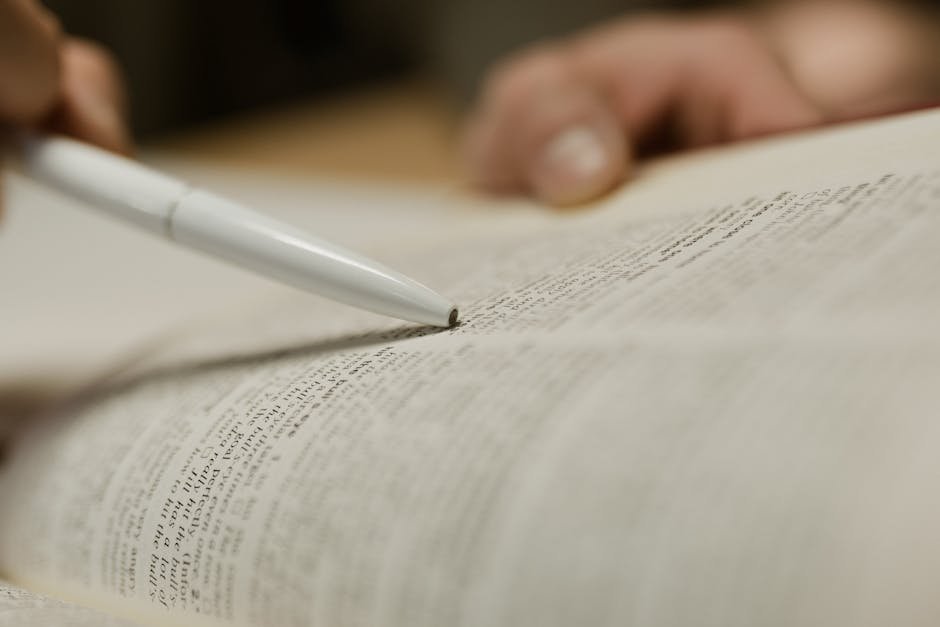
- Use your finger or a pointer: This can help you maintain focus and track your progress.
When to use scanning:
- To find a specific fact or piece of information.
- To locate a particular name, date, or term.
- To answer specific questions about a text.
- To find a definition or explanation of a term.
- To locate a specific reference or citation.
- To verify the accuracy of information.
Key Differences and Synergies:
| Feature | Skimming | Scanning |
|---|---|---|
| Purpose | Get a general overview of the main ideas | Locate specific information quickly |
| Reading Style | Rapidly read key sections and elements | Rapidly search for specific targets |
| Focus | Main ideas, structure, tone | Specific facts, figures, keywords |
| Speed | Fast but requires some comprehension | Very fast, less emphasis on comprehension |
| Outcome | Broad understanding, overall impression | Specific information retrieved, targeted data |
While they are distinct techniques, skimming and scanning can be used together effectively. For example, you might skim a text to get a general sense of its content and then scan it to find specific information relevant to your research. You could also use skimming to determine which sections of a text are most relevant before scanning those sections in more detail. Mastering these techniques is crucial for efficient reading, research, and information processing.
This content has been prepared by the Studentanswers editorial team for educational and informational purposes only. We recommend consulting a qualified professional before making any personal decisions.