Why is communication a vital skill for students to develop?
Okay, so I keep hearing that communication is REALLY important for students, like, capital-R-E-A-L-L-Y important. But I don’t quite get why it’s so vital right now, as students are learning, not just later in a job or something.
I mean, sure, I understand communicating well is helpful for presentations and group projects. But how does it impact their understanding of the subject matter? Does it help them learn more effectively?
And what kind of communication skills are we talking about? Is it just public speaking, or is it about listening, writing, and even non-verbal communication too? Does it even matter what form it takes, as long as the message gets across?
Also, thinking about different subjects, is communication equally crucial in, say, a science class versus a humanities class? Or even in practical skills like coding or art?
Basically, I’m trying to figure out if the hype around communication skills for students is justified. Are these skills truly essential for academic success and personal growth, or are they just nice to have? I need concrete examples!
Answer
Communication is a vital skill for students to develop because it underpins success in virtually every aspect of their lives, both within and beyond the academic setting. Its importance can be seen across several key areas:
Academic Performance and Learning:
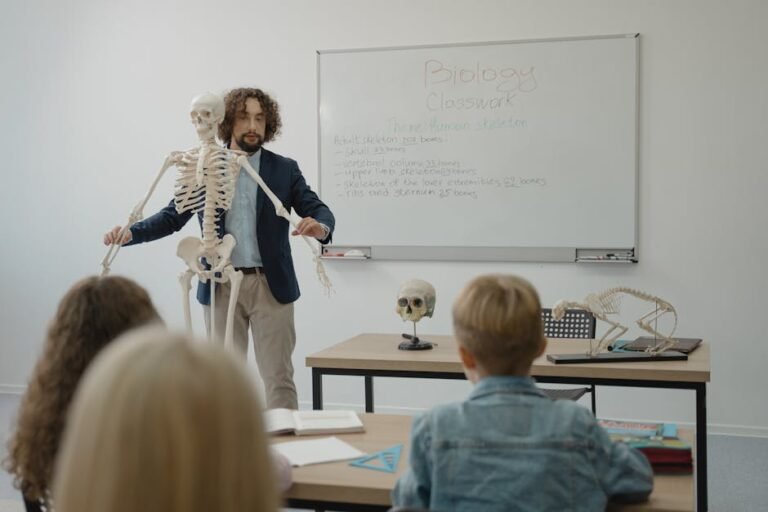
- Understanding and Articulating Concepts: Effective communication enables students to comprehend complex ideas presented in lectures, readings, and discussions. They can then articulate their understanding of these concepts through written assignments, presentations, and participation in class. This ability to express understanding is crucial for demonstrating mastery of the subject matter and achieving academic success.
- Collaborative Learning: Modern education often emphasizes teamwork and collaborative projects. Strong communication skills are essential for students to work effectively in groups, share ideas, negotiate roles, resolve conflicts, and synthesize information from different sources. The ability to listen actively, contribute constructively, and respect diverse perspectives within a group setting directly influences the quality of the collaborative work and the learning outcomes for all involved.
- Critical Thinking and Problem Solving: Communication is intricately linked to critical thinking. Students who can communicate effectively are better equipped to analyze information, identify assumptions, evaluate arguments, and formulate well-reasoned solutions to problems. The process of articulating thoughts and ideas forces students to clarify their thinking and identify any inconsistencies or gaps in their understanding.
- Engagement with Educators: Effective communication allows students to actively engage with their teachers and professors. Asking clarifying questions, seeking feedback on assignments, and participating in office hours requires strong communication skills. This engagement fosters a deeper understanding of the subject matter, allows students to address individual learning challenges, and builds positive relationships with educators.
Personal and Social Development:
- Building Relationships: Communication is the foundation of all interpersonal relationships. Students with strong communication skills can build and maintain meaningful relationships with peers, family members, and mentors. This includes effectively expressing their own needs and feelings, actively listening to others, and resolving conflicts in a constructive manner.
- Developing Empathy and Understanding: Effective communication requires students to consider the perspectives of others. By actively listening and paying attention to nonverbal cues, students can develop empathy and a deeper understanding of different cultures, backgrounds, and viewpoints. This fosters tolerance, respect, and a more inclusive social environment.
- Navigating Social Situations: Adolescence and young adulthood are often marked by complex social dynamics. Strong communication skills enable students to navigate these situations effectively, including making friends, resolving disagreements, asserting themselves appropriately, and avoiding misunderstandings.
- Self-Advocacy: Communication skills empower students to advocate for themselves and their needs. This includes expressing their opinions, requesting accommodations, seeking help when needed, and standing up for their rights. Self-advocacy is essential for personal well-being and empowerment.
Career Readiness and Future Success:
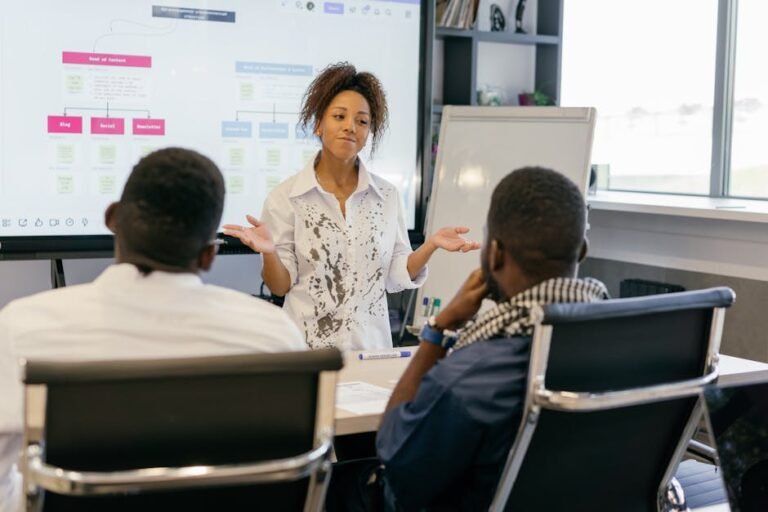
- Professional Communication: The modern workplace demands strong communication skills, both written and verbal. Employers consistently rank communication as one of the most important skills they look for in potential employees. This includes the ability to write clear and concise emails, deliver effective presentations, participate in meetings, and communicate effectively with colleagues, clients, and supervisors.
- Leadership and Teamwork: Leaders must be able to communicate effectively to inspire, motivate, and guide their teams. Strong communication skills are also essential for effective teamwork, allowing team members to share ideas, coordinate efforts, and resolve conflicts productively.
- Networking and Career Advancement: Communication is critical for networking and building professional relationships. Attending conferences, interviewing for jobs, and connecting with professionals in their field all require strong communication skills. The ability to present oneself confidently and articulate one’s skills and experiences is essential for career advancement.
- Adaptability and Problem-Solving: The rapidly changing global landscape requires individuals to be adaptable and able to solve complex problems. Effective communication is crucial for adapting to new situations, collaborating with diverse teams, and communicating solutions to stakeholders.
In conclusion, communication is far more than just the ability to speak or write. It is a complex set of skills that are essential for academic success, personal development, and future career opportunities. By developing strong communication skills, students can empower themselves to thrive in all aspects of their lives and make a positive contribution to the world.
This content has been prepared by the Studentanswers editorial team for educational and informational purposes only. We recommend consulting a qualified professional before making any personal decisions.