
Travel is a powerful way to reset, recharge, and broaden your horizons, whether you’re journeying across continents or simply exploring the next town over. While every trip offers a unique thrill, there’s a special kind of magic reserved for the classic summer road trip.
Perhaps it’s the influence of iconic books like Blue Highways or Walden on Wheels, but the idea of hitting the open road under the summer sun evokes an unparalleled sense of excitement. The freedom, the limitless possibilities, and the constant stream of new sights are the hallmarks of any great adventure, and they feel most potent from behind the wheel of a car on a sun-drenched highway.
Even if you don’t share this romantic notion, a road trip is an incredibly rewarding experience. It’s a fantastic opportunity to:
- Shatter your daily routine and escape the mundane.
- Discover new cities, towns, and natural landscapes.
- Explore potential places you might want to live after graduation.
- Experiment with a location-independent lifestyle while still in college.
- Take advantage of the extended summer break for a longer, more immersive journey.
This comprehensive guide will walk you through everything you need to know to plan and execute the ultimate summer road trip. You’ll learn how to choose the perfect destination, map your route, create a realistic budget, and dozens of other essential tips to ensure your adventure is both memorable and affordable.
Let’s hit the road!
Choosing Your Ultimate Road Trip Destination
First things first: an epic road trip doesn’t have to mean driving across the entire country. While a cross-country journey can be a life-changing experience, it’s also a significant commitment of time and money. A weekend trip to a neighboring state or even a deep dive into a different region of your own can be just as fulfilling. Remember, farther doesn’t automatically mean better.
The best destinations are the ones that align with your personal interests. Instead of chasing “must-see” tourist traps, build your itinerary around activities and themes that genuinely excite you. This approach not only guarantees you’ll have more fun but also helps you save money by avoiding overpriced attractions.
Consider what you’re passionate about:
- Nature and Outdoors: Plan a trip that connects several national or state parks for hiking, camping, and stunning vistas.
- History and Culture: Follow a historical trail, visit significant landmarks, or explore cities known for their rich cultural heritage.
- Food and Cuisine: Design a culinary tour focused on a specific type of food, like a BBQ trail through the South or a coastal seafood journey.
- Music and Arts: Visit cities famous for their music scenes, like Nashville or New Orleans, or plan your trip around a music festival.
Finally, dare to get off the beaten path. Major cities are great, but the true character of a region often lies in its small towns, quirky roadside attractions, and hidden gems. Branch out from the main tourist hubs to discover where the locals eat, hang out, and explore. The internet makes this easier than ever—a quick search for “hidden gems near [city]” can uncover incredible experiences you’d otherwise miss.
Mapping Your Adventure: How to Plan the Perfect Route
Thanks to modern GPS and smartphone apps, you could technically start a road trip with nothing more than a destination in mind. However, a little advance planning can save you significant time, money, and stress. Plus, mapping out your journey is part of the fun!
Google Maps is an excellent starting point for simple A-to-B trips. For more complex journeys with multiple stops, Google’s My Maps is an invaluable free tool. It allows you to create custom, multi-layered maps with up to seven destinations, letting you visualize your entire route, add notes, and save it for later.
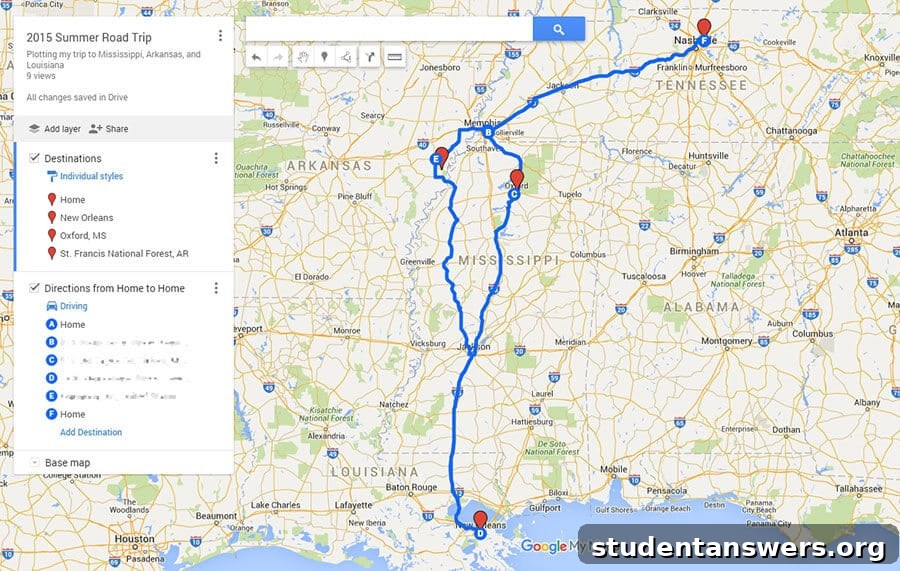
Once your route is set, it’s wise to prepare for offline navigation. Much of the open road, especially in national parks and rural areas, has spotty or non-existent cell service. To avoid getting lost, download offline maps for the entire region you’ll be traveling through. You can do this within the Google Maps app. It’s also a good idea to take screenshots of the turn-by-turn directions for each leg of the journey. This saves battery life and mobile data, as you won’t need to keep your navigation app running constantly.
For an extra layer of security, consider printing a hard copy of your directions. If your phone dies or breaks, this old-school backup could be a lifesaver.
Solo Explorer or Road Trip Crew? Choosing Your Travel Style

Who you travel with fundamentally shapes the experience. Both solo trips and group adventures have unique advantages and disadvantages. There’s no right or wrong answer, only what’s right for you and this particular trip.
Traveling Solo
Pros:
- Complete Freedom: You set the schedule, choose the destinations, and control the pace. Want to spend an extra day somewhere? You can.
- Self-Discovery: Traveling alone pushes you to become more self-reliant and confident. You learn a lot about yourself when you’re the only one making decisions.
- Easier to Meet New People: When you’re on your own, you’re more approachable and more likely to strike up conversations with locals and other travelers.
- Total Budget Control: You decide how and where to spend your money without needing to compromise.
Cons:
- Loneliness: Long stretches of driving or quiet evenings can sometimes feel lonely.
- All Responsibilities on You: You’re the sole driver, navigator, and planner, which can be tiring.
- Safety Concerns: While solo travel is generally safe, it requires a higher level of awareness and precaution.
- No One to Share Memories With: Part of the joy of travel is reminiscing with your companions later.
Traveling with Friends
Pros:
- Shared Experiences: Creating memories with friends is one of the best parts of traveling. You’ll have stories to laugh about for years.
- Cost Sharing: Splitting the cost of gas, accommodation, and food makes the trip significantly more affordable.
- Shared Responsibilities: You can take turns driving, navigating, and handling logistics, reducing individual stress.
- Safety in Numbers: Traveling in a group often provides an added sense of security.
Cons:
- Compromise is Necessary: You won’t always agree on the music, where to eat, or what to do. Patience and communication are key.
- Potential for Conflict: Spending 24/7 together can strain even the strongest friendships. Differing budgets or travel styles can lead to friction.
- Less Spontaneity: Coordinating a group makes it harder to make spontaneous changes to the plan.
- Less Interaction with Outsiders: Groups tend to be more self-contained and are less likely to interact with new people.
Both styles are incredibly rewarding. If you’ve never done it, a solo trip during college—before major life responsibilities set in—can be a transformative experience. If you travel with friends, have an open conversation about budgets and expectations before you leave to ensure a smooth journey.
Budgeting for Your Road Trip: How to Save Money on the Road

A road trip doesn’t have to drain your bank account. With smart planning, you can have an incredible adventure on a student-friendly budget. The first step is to estimate your costs by breaking them down into major categories:
- Fuel: Your biggest transportation expense.
- Accommodation: Where you’ll sleep each night.
- Food: A category that can quickly spiral if not managed.
- Activities & Attractions: Tickets, tours, and park entrance fees.
- Miscellaneous: Souvenirs, tolls, and unexpected expenses.
Research each category. Use an app like GasBuddy’s Trip Cost Calculator to estimate your total fuel cost. Look up accommodation prices in the areas you’ll be visiting. Once you have a total, add a 15-20% buffer to account for unexpected costs. This is your savings goal.
Saving on Accommodation

Hotels are almost always the most expensive option and should be your last resort. Instead, explore these budget-friendly alternatives:
- Airbnb: Renting a private room in someone’s home is often cheaper and more comfortable than a hotel. Plus, your host can provide invaluable local tips.
- Hostels: Common in major cities, hostels offer dorm-style beds for a low price and are a fantastic way to meet other travelers.
- Camping: If you enjoy the outdoors, camping is the ultimate budget accommodation. State and national park campgrounds are affordable, and with the right gear, you can stay for very little cost.
Saving on Food

Eating out for every meal will destroy your budget. The key is to find a balance. Pack a cooler with essentials like sandwich ingredients, fruit, yogurt, and drinks. Start your day with a simple breakfast like granola bars or instant oatmeal. For lunch, make sandwiches at a scenic rest stop. This allows you to splurge on a nice dinner to experience the local cuisine without guilt.
When you do eat out, avoid tourist-trap restaurants. A quick search on your phone or a recommendation from a local will lead you to better, more affordable food. Always ask if they offer a student discount!
Saving on Activities

The best things in life—and on a road trip—are often free. Balance paid attractions with free activities like:
- Hiking in a state park or national forest.
- Wandering through a city’s historic downtown.
- Enjoying a public park or sculpture garden.
- Finding a scenic overlook to watch the sunset.
Embrace experiences over things. Instead of buying cheap souvenirs, your memories and photos will be the best mementos. Simply walking around a new place with no agenda can be more rewarding than any guided tour.
Staying Safe on the Road: Essential Road Trip Safety Tips

While travel is generally very safe, a few common-sense precautions can ensure your trip remains positive and worry-free. Safety starts before you even leave home.
Vehicle Preparation
- Get a Tune-Up: Before a long trip, have a mechanic check your oil, fluids, brakes, and battery.
- Check Your Tires: Ensure your tires are properly inflated (including the spare!) and have enough tread.
- Pack an Emergency Kit: Your kit should include jumper cables, a first-aid kit, a flashlight, a tire pressure gauge, and basic tools.
On the Road
- Avoid Drowsy Driving: Take breaks every few hours to stretch your legs. If you’re tired, pull over and rest. Don’t push it.
- Share the Driving: If traveling with others, switch drivers regularly to keep everyone fresh.
- Be Aware of Your Surroundings: Pay attention, especially at rest stops or in unfamiliar areas. Pickpockets target distracted people.
- Secure Your Valuables: Never leave valuables like your phone, wallet, or laptop visible in your car. Lock them in the trunk or take them with you.
- Trust Your Gut: If a situation or place feels off, leave. Your intuition is a powerful safety tool.
The Most Important Tip: Embrace the Adventure Mindset
“A good traveler has no fixed plans and is not intent on arriving.” – Lao Tzu
More than any amount of planning, the right mindset is the key to an amazing road trip. Things will go wrong. You might take a wrong turn, get a flat tire, or run into bad weather. A tourist sees these moments as problems that ruin their perfect itinerary. A traveler sees them as part of the adventure.
Be open to the unexpected. Some of the best discoveries happen when plans fall apart. That wrong turn might lead you to a beautiful, deserted road. That rainy day might lead you to a quirky local museum you would have otherwise skipped. Don’t try to control every moment of your trip. Let the journey unfold.
Be a traveler, not a tourist. The tourist is focused on a checklist. The traveler is focused on the experience. Embrace the freedom of the open road, and you’re guaranteed to have an unforgettable trip.
Conclusion

A summer road trip is more than just a vacation; it’s a rite of passage. It’s an opportunity for adventure, self-discovery, and creating memories that will last a lifetime. With thoughtful planning, a smart budget, and an open mind, you are fully equipped to embark on your own epic journey.
So, what are you waiting for? The open road is calling.
Happy travels!