

The Ultimate Guide to High-Paying Remote Jobs You Can Start Today
The daily grind of an office job can be draining. Long commutes, office politics, and a rigid schedule can leave you wishing for a better way to work. For many, working from home feels like the ultimate solution, offering freedom, flexibility, and a better work-life balance.
However, transitioning to a fully remote career can seem like a distant dream. While some companies offer hybrid models, finding an employer willing to let you leave the office for good is rare. The good news? You don’t have to wait for your current boss to change their mind.
There are numerous high-demand, well-paying remote jobs available right now. With the right training, a proactive mindset, and a strategic approach, you can build a new career from the comfort of your home. This guide will walk you through the best remote job opportunities and provide a clear roadmap to help you learn the necessary skills and land your first role.
How to Choose the Right Remote Career for You
The world of remote work is vast, with hundreds of potential job titles. However, not all are created equal, especially if you’re looking for a swift and profitable career change. To make our list, each job had to meet a strict set of criteria designed to help you succeed quickly and sustainably.
1. Teachable Skills Without a Degree
The traditional advice to “go back to school” isn’t practical for everyone. It’s expensive, time-consuming, and often unnecessary in today’s digital economy. The careers on this list are built on skills you can teach yourself through affordable online courses, free articles, and supportive online communities. You can gain professional-level expertise without ever stepping into a university classroom.
2. Learn While You Earn
Quitting your current job to study for six months is a luxury most people can’t afford. That’s why we’ve focused on fields you can learn in your spare time. This will require dedication—you might need to wake up earlier or sacrifice some leisure time—but the short-term effort will pay off immensely when you reclaim your commute time and gain control over your schedule.
3. High Income Potential from the Start
Many remote “opportunities” like online surveys or micro-tasking websites pay pennies on the dollar, making them unsuitable for a full-time income. In contrast, the jobs on this list offer substantial earning potential. You can realistically expect to match, and eventually exceed, a typical office salary once you’ve established your skills and reputation.
4. True Flexibility and Autonomy
This is the core reason you’re here. You want a job that lets you work from anywhere, whether it’s your home office, a coffee shop, or a beach in another country. More importantly, these careers offer schedule flexibility. If you want to work early in the morning and spend afternoons with your family, you can. If you prefer a traditional 9-to-5 structure, that works too. You are in control.
Adopting the Self-Starter Mindset
Before diving into the job list, it’s essential to understand the mindset required for success. When you become a self-taught professional, you are the CEO of your own education. This is a significant shift from the structured environment of traditional schooling. You must learn to set your own goals, stay motivated when you hit roadblocks, and proactively seek out knowledge. Mastering the art of learning independently is the first and most crucial step in your new career journey.
5 Best Flexible, High-Paying Remote Jobs
With the right criteria and mindset in place, let’s explore the five best remote careers you can start learning today.
1. Web Developer
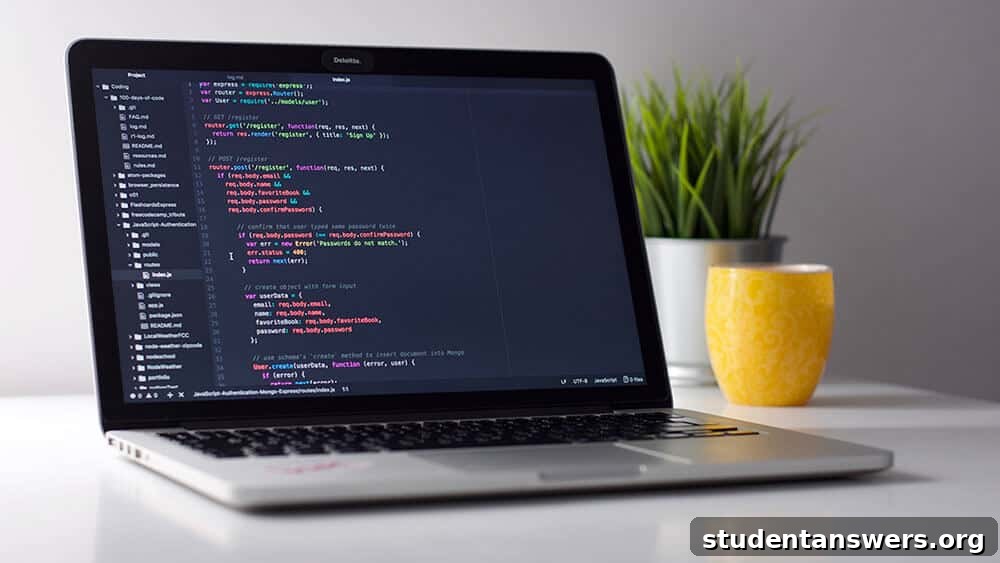
Web development consistently tops lists of best remote jobs, and for good reason. In our digitally-driven world, every business needs a website, making skilled developers incredibly valuable.
Job Description
A web developer writes the code that builds and powers websites and web applications. The field is vast and can be broken down into three main areas:
- Front-End Development: Building the visual, interactive parts of a website that users see and click on (layouts, buttons, menus).
- Back-End Development: Working on the server, database, and application logic that powers the website from behind the scenes.
- Full-Stack Development: A hybrid role that involves working on both the front-end and back-end.
This variety means you can specialize in an area that aligns with your interests, whether it’s visual design or complex data management.
Why We Recommend It
The demand for web developers is relentless. Tech companies, small businesses, and non-profits all need skilled developers, ensuring a steady stream of freelance and full-time remote opportunities. The pay is excellent, with a median salary around $59,000 and top earners making well into six figures. Furthermore, the web is the ultimate learning resource; there are more free and affordable tutorials for coding than for any other skill on this list.
How to Learn the Skills
Learning to code requires patience and persistence. Your journey should start with the fundamentals: HTML for structure and CSS for styling. Once you’re comfortable with these, dive into JavaScript, the language that brings websites to life. We highly recommend structured learning platforms that offer a clear curriculum and community support to guide you. Building a portfolio of personal projects is non-negotiable; create a personal website, a small web app, or even a simple game to practice and showcase your abilities.
How to Get the Job
In web development, your portfolio is your resume. A polished personal website and an active GitHub profile (a platform for hosting code) are essential. They prove to potential employers that you can not only write code but also manage projects and collaborate. When starting out, contribute to open-source projects or build small websites for local businesses to gain real-world experience. Your ability to explain technical concepts to non-technical clients is also a key skill that will set you apart.
2. Virtual Assistant
You don’t need to be a tech wizard to build a successful remote career. As a virtual assistant (VA), you can leverage your organizational and communication skills to become an indispensable partner for busy entrepreneurs and executives.
Job Description
Virtual assistants provide remote administrative, technical, or creative assistance to clients. The tasks are incredibly varied and can include managing email inboxes, scheduling appointments, booking travel, managing social media accounts, performing data entry, and providing customer support. Essentially, a VA helps clients reclaim their time by handling the tasks that bog them down.
Why We Recommend It
The barrier to entry for becoming a VA is low. You likely already possess many of the core skills, such as proficiency with email, calendars, and word processors. The job is inherently remote and offers immense flexibility. You can work with multiple clients at once, allowing you to build a full-time income while controlling your own hours. As the gig economy grows, the demand for reliable VAs continues to skyrocket.
How to Learn the Skills
While you may have the basic skills, succeeding as a professional VA requires mastering two key areas: flawless written communication and expert-level organization. Your communication must be clear, concise, and professional. Practice writing professional emails and reports. For organization, learn to use project management tools like Asana or Trello and become a power user of calendar apps. A solid productivity system is your most valuable asset.
How to Get the Job
To earn a great income, you need to attract high-quality clients. This starts with defining your services and your ideal client. Do you want to specialize in social media management for coaches? Or bookkeeping for small e-commerce shops? Specializing allows you to charge more. Create a simple professional website showcasing your services and testimonials. Networking in online business groups and on platforms like LinkedIn is a fantastic way to find your first clients.
3. Freelance Writer
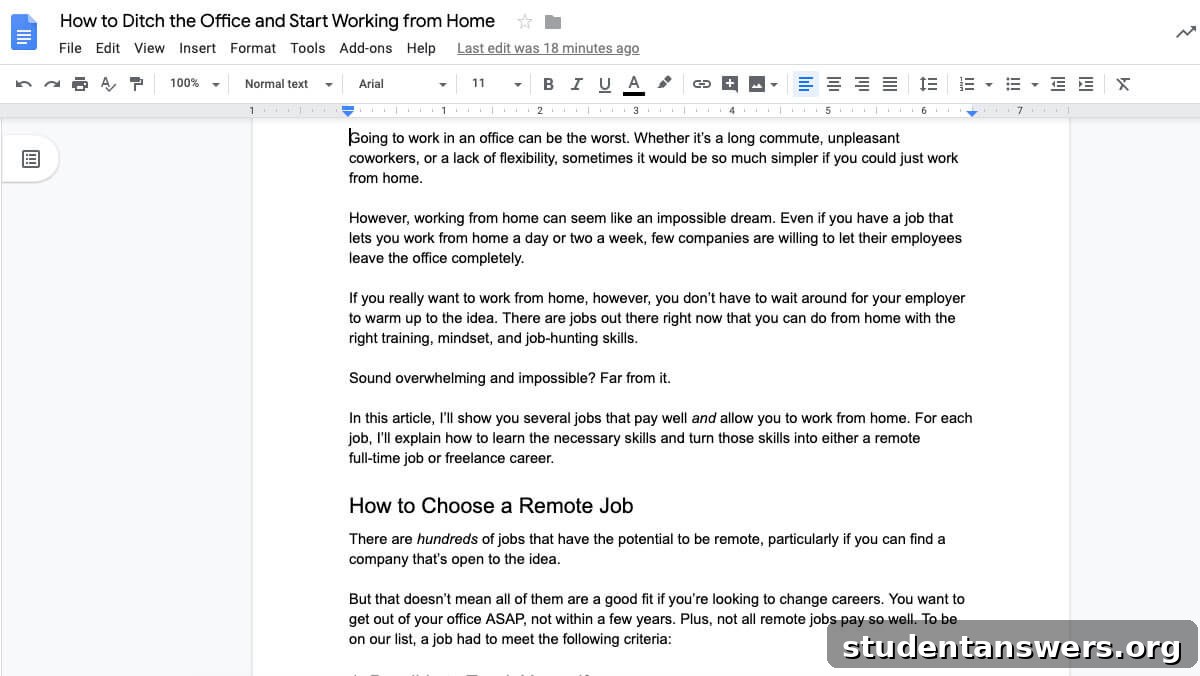
Despite the rise of video, the written word remains the foundation of the internet. Businesses everywhere need skilled writers to create blog posts, website copy, emails, and more. If you have a knack for language, freelance writing is an accessible and lucrative remote career.
Job Description
A freelance writer creates written content for various clients on a project basis. The work is diverse and can include:
- Content Writing: Creating blog posts, articles, and guides to inform and engage an audience.
- Copywriting: Writing persuasive text for websites, ads, and emails designed to sell a product or service.
- Technical Writing: Creating instruction manuals, documentation, and help guides for software or products.
You’ll work with clients to understand their goals, audience, and brand voice, then deliver high-quality content by a deadline.
Why We Recommend It
Freelance writing has one of the lowest startup costs of any remote job. All you need is a computer and an internet connection. It’s also one of the most flexible careers imaginable. You can write from anywhere in the world, at any time of day, as long as you meet your deadlines. With practice, you can build a stable of clients that provides a reliable income, with top writers earning well over $100,000 per year.
How to Learn the Skills
Professional writing is different from the academic writing you learned in school. It’s about clarity, conciseness, and connection. The best way to learn is by doing. Start a personal blog on a topic you’re passionate about to practice your craft. Study the writing on popular blogs in your chosen niche. Learn the fundamentals of Search Engine Optimization (SEO) to make your content more valuable to clients. Getting feedback from experienced editors is invaluable for rapid improvement.
How to Get the Job
A strong portfolio is the single most important tool for a freelance writer. Before you have paying clients, create your own samples by publishing articles on your personal blog or on platforms like Medium. When you pitch potential clients, link to your best work. Your pitch email itself is a writing sample, so ensure it is professional, error-free, and tailored to the client’s needs. Job boards for writers can be a good starting point, but building relationships through networking often leads to higher-paying, long-term work.
4. Wedding Photographer

If you’re a creative person who loves working with people and dislikes being tied to a desk, wedding photography can be an incredibly rewarding and profitable career. While the work happens on-location, all of the editing, marketing, and client management can be done from home.
Job Description
A wedding photographer does more than just take pictures. They are responsible for capturing the story and emotion of a couple’s wedding day. This involves client consultations, planning shot lists, managing equipment, directing groups of people for portraits, and then spending hours editing the photos to perfection. It’s a job that requires technical skill, artistic vision, and excellent people skills.
Why We Recommend It
Wedding photography offers high earning potential, with experienced photographers charging thousands of dollars per wedding. The demand is consistent, providing a steady stream of potential clients. It’s an active, exciting job that allows you to be a part of people’s happiest moments. While you need to invest in professional gear, you can start learning with a more affordable camera and build your kit as you start earning.
How to Learn the Skills
Start by mastering the technical fundamentals of photography: aperture, shutter speed, and ISO. A quality entry-level professional camera is a worthy investment. Take online courses on portrait photography and photo editing using software like Adobe Lightroom and Photoshop. The best way to learn is to practice constantly. Offer to do free portrait sessions for friends and family to build your confidence and your portfolio. Seek out opportunities to be a “second shooter” for an established wedding photographer to gain invaluable hands-on experience.
How to Get the Job
Your portfolio is everything. A professional website and an active Instagram account are crucial for showcasing your best work. Start by photographing smaller events like engagement parties or rehearsal dinners. Networking is key in this industry. Build strong relationships with wedding planners, venues, and other vendors. When they trust your work, they will become your biggest source of referrals, providing a steady flow of high-paying clients.
5. Video Editor
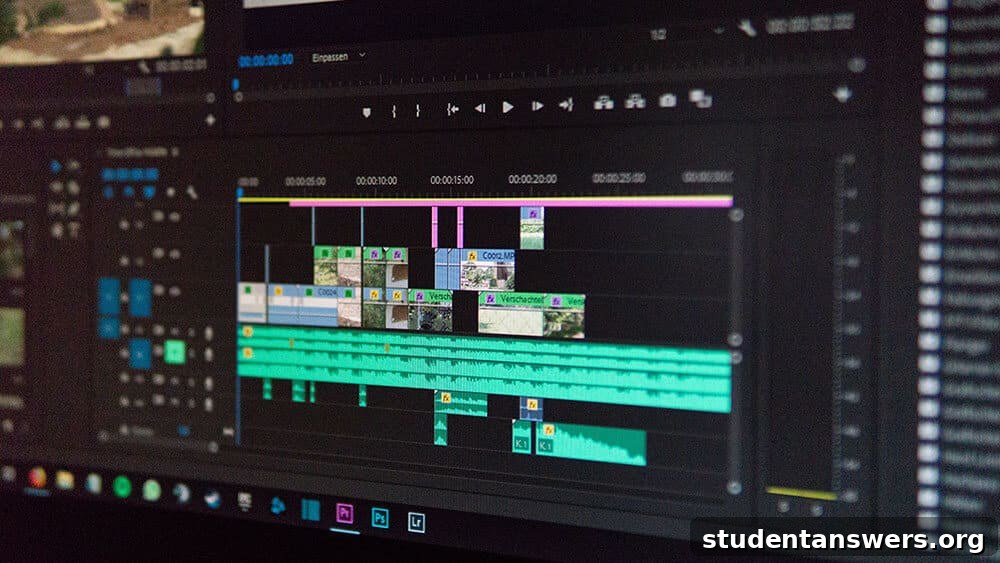
Video content dominates the internet. From YouTube creators and Instagram influencers to large corporations, everyone needs polished, engaging video. This has created a massive demand for skilled video editors who can turn raw footage into a compelling story.
Job Description
A video editor takes raw video clips, audio tracks, and graphics and assembles them into a finished product. This involves cutting and arranging clips, color correcting footage, mixing audio, adding music, and creating titles and graphics. They work closely with clients to understand the project’s vision and bring it to life using software like Adobe Premiere Pro, Final Cut Pro, or DaVinci Resolve.
Why We Recommend It
The demand for video editing is exploding and shows no signs of slowing down. This provides a wealth of opportunities for freelance and remote work. Once you have a powerful computer and the right software, you can work from anywhere with a good internet connection. Video editing is also a skill you can effectively teach yourself online through countless tutorials and courses, many of which are free.
How to Learn the Skills
Start by choosing a professional editing software—Adobe Premiere Pro is the industry standard and a great place to start. Follow beginner tutorials to learn the interface and basic tools. The key is to start editing as soon as possible. Find free stock footage online or film your own videos and practice cutting them together. Focus on learning the principles of storytelling, pacing, and rhythm. A technically perfect video that is boring will not get you hired; a well-told story will.
How to Get the Job
A demo reel—a short video showcasing your best editing work—is your most powerful marketing tool. Once you’ve practiced on your own projects, offer to edit videos for friends, family, or small YouTube creators for a low fee or even for free. This will help you build a portfolio of real-world projects. With a solid demo reel, you can begin pitching your services to content creators, marketing agencies, and businesses looking to enhance their video presence.
Your Remote Career Journey Starts Now
This guide has outlined five incredible career paths that can take you from a restrictive office job to a flexible, fulfilling remote work life. However, reading about it is just the first step. True success requires action. You will need to dedicate time and effort to learning new skills, building a portfolio, and marketing yourself to clients.
Don’t quit your day job tomorrow. Instead, start small. Dedicate a few hours each week to learning. Expect the transition to take several months, or even a year, before you can fully replace your current income. It won’t be easy, but the reward—a career that gives you control over your time and location—is more than worth the effort. The freedom to attend your child’s school event or work from a new city is within your reach.