

Your Pathway to Success in Germany
Are you wondering if the adventure of studying or working abroad is truly worth it? Is the experience as life-changing as everyone says? Germany, a powerhouse of education and industry, might just hold the answer.
We explored the southwestern German state of Baden-Württemberg to uncover the opportunities available for ambitious students and graduates. From the tech-savvy city of Karlsruhe to the elegant spa town of Baden-Baden and the thrilling Europa-Park, this region offers a unique blend of academic excellence, career prospects, and cultural richness. Here’s your comprehensive guide to what awaits.
Welcome to Karlsruhe: A Hub of Innovation and Student Life
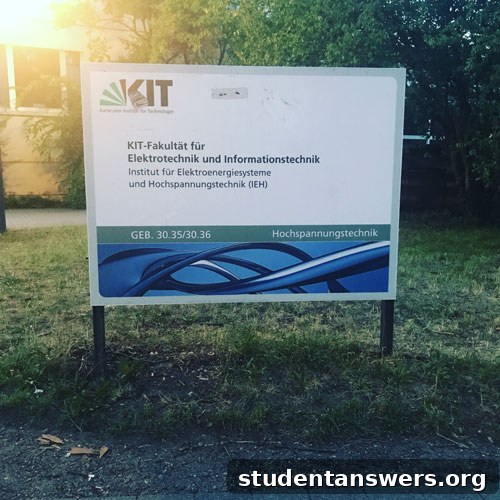
Nestled near the French-German border, Karlsruhe is the second-largest city in Baden-Württemberg. With a population of over 300,000, it’s a city that feels both dynamic and manageable. It is renowned for its vibrant student community, largely thanks to being home to the prestigious Karlsruhe Institute of Technology (KIT). As one of Germany’s leading institutions for research and education, KIT sets the academic tone for the city, which is also complemented by other cultural landmarks like the innovative Center for Art and Media (ZKM).
KIT itself is a fascinating hybrid institution, formed in 2009 from the merger of a national research center and a university. This unique structure allows it to excel in research, teaching, and innovation, providing students with direct access to groundbreaking projects and world-class faculty. The campus is a bustling center of intellectual activity, offering a glimpse into the future of science and engineering.
One of the most appealing aspects of living in Karlsruhe is its affordability. Compared to other major European student cities, the cost of living is quite reasonable. To help prospective students plan their finances, KIT offers a detailed guide to the average monthly expenses for a student, covering everything from rent to food and leisure.
The entire region is a hotbed for technological advancement, driven by the Karlsruhe TechnologieRegion (KTR). This powerful alliance of businesses, scientific institutions, and public authorities works to promote the area as a leading European center for mobility, energy, and IT. Spanning over 3,000 square kilometers, the region is home to 1.24 million people and more than 40 universities and research institutes, making it an incredibly fertile ground for learning and career growth.
Navigating Your Studies in Germany: Fees, Language, and Applications
Understanding Tuition Fees in Germany
A major draw for international students is Germany’s approach to tuition fees. In 2014, all 16 German states abolished tuition fees for undergraduate students at public universities. This means that currently, both domestic and international students can study for free, paying only a small semester contribution for administrative costs and student services. However, it’s crucial to note that the state of Baden-Württemberg, where Karlsruhe is located, reintroduced tuition fees for non-EU students in 2017. Private universities across the country also charge their own fees.
But does low cost mean lower quality? Absolutely not. KIT, for example, consistently ranks among the world’s best universities. It placed 107th in the QS World University Rankings 2018, putting it on par with esteemed institutions globally. This combination of high-quality education and low cost offers unparalleled value. For students needing financial assistance, numerous scholarships are available. The DAAD (German Academic Exchange Service) website is an excellent resource for finding scholarships based on your field of study, academic merit, and country of origin.
Do I Need to Speak German?
While you can certainly get by with English in Germany—many university courses are taught in English, and it’s often the working language in tech companies—learning German will profoundly enrich your experience. It opens doors to deeper cultural immersion, new friendships, and a wider range of job opportunities. Embracing the local language allows you to connect with the community on a much more meaningful level.
Universities offer plenty of support for language learning. KIT provides a three-week intensive German course for exchange students before the semester begins. Another fantastic resource is the International Student Center’s tandem service, which pairs you with a native German speaker for a language exchange. It’s a fun, social, and effective way to practice your skills.
The Application and Visa Process
Applying to a German university is a straightforward process. You’ll need to demonstrate that your previous education is equivalent to the German high school diploma (Abitur) and meet any subject-specific requirements. For those not ready to commit to a full degree, many universities offer exchange programs for a semester, a year, or even just a few weeks, providing a perfect taster of life in Germany.
After graduation, your options depend on your nationality. Students from the EU or European Economic Area (EEA) have unrestricted access to the German job market. Non-EU/EEA graduates can apply to extend their residence permit for up to 18 months to search for a job related to their field of study. During this period, you are permitted to work without restrictions. This generous policy reflects Germany’s commitment to retaining international talent. The DAAD website provides detailed information on post-study work permits.
From Student Jobs to Graduate Careers: Working in Karlsruhe
Earning While You Learn
Working part-time is a popular way for students to support themselves financially and gain practical experience. In Germany, students can work up to 20 hours per week during the semester. During term breaks, this limit is lifted. For non-EU/EEA students, the annual limit is 120 full days or 240 half days. The Karlsruhe area offers a wealth of student-friendly jobs in hotels, museums, research institutes, and even the glamorous Baden-Baden casino.
Launch Your Career in a Thriving Tech Region
Karlsruhe is a fantastic place to launch a career after graduation. The region is a major business hub, with global giants like Siemens, Bosch, and L’Oréal having a significant presence. Alongside these corporations, a vibrant ecosystem of small and medium-sized enterprises (SMEs) flourishes, driven by a culture of innovation and collaboration.
A key driver of this dynamism is the SmarterCity initiative. This project encourages collaboration between companies on key urban challenges like transport and energy, fostering rapid development and economic growth. This synergy between academia and industry creates an exciting environment where university research can quickly translate into real-world applications and business ventures.
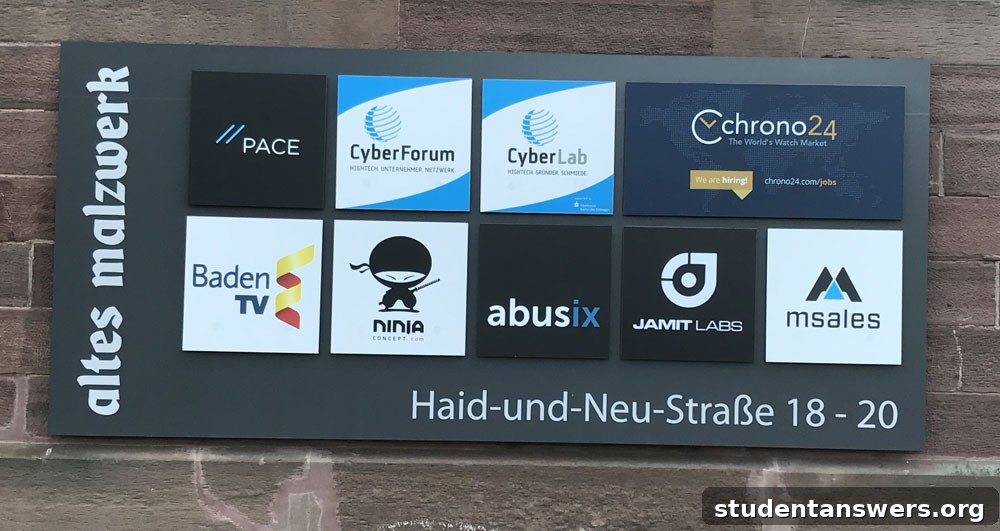
The CyberForum in Karlsruhe is a testament to this spirit. As one of Europe’s largest high-tech business networks, it provides space, mentorship, and resources to help startups and tech entrepreneurs succeed. Many of the innovators utilizing this hub are recent graduates from local universities, making it an exciting time to be part of the region’s tech scene. The CyberForum also actively helps international talent find their footing, offering programs to place apprentices and assist students whose degrees may not be directly recognized in Germany.
Beyond the Classroom: Adventure and Culture
A Summer of Fun and Work at Europa-Park
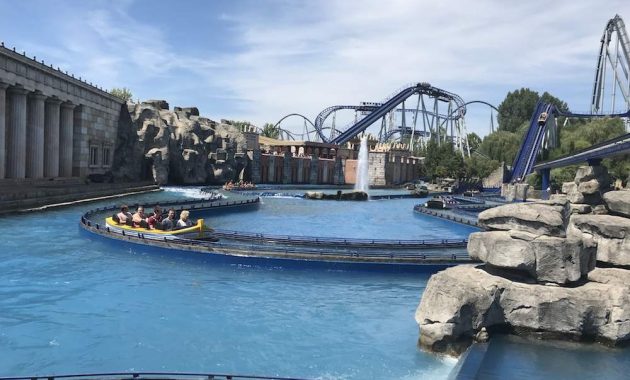
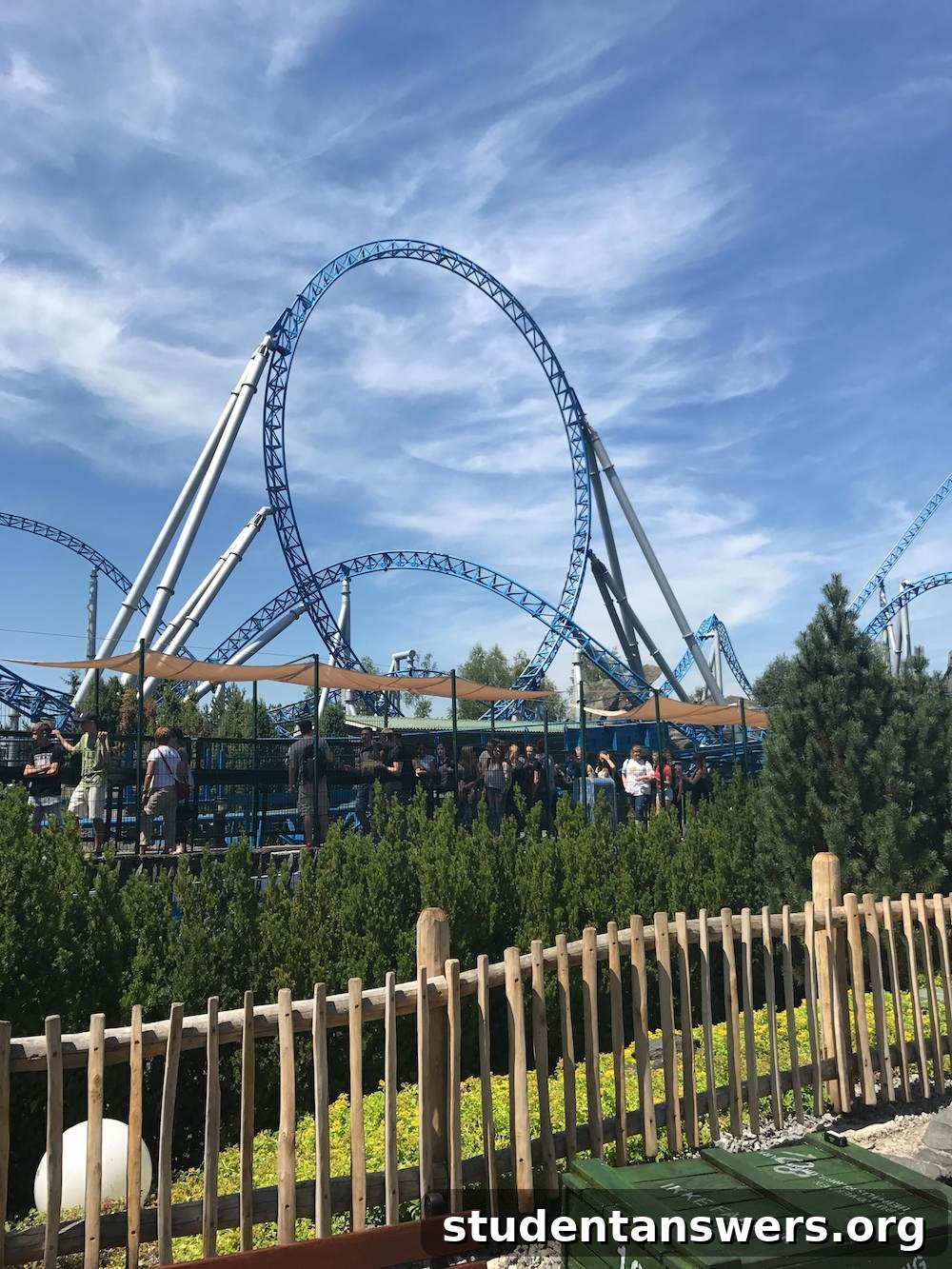
If a full degree abroad seems too daunting, but you still crave an international experience, consider a summer job at Europa-Park. Located in Rust, this is Europe’s second-largest theme park and offers a fantastic European Summer Programme. This program is designed for students, by students, and offers a unique opportunity to live and work abroad for a minimum of three months.
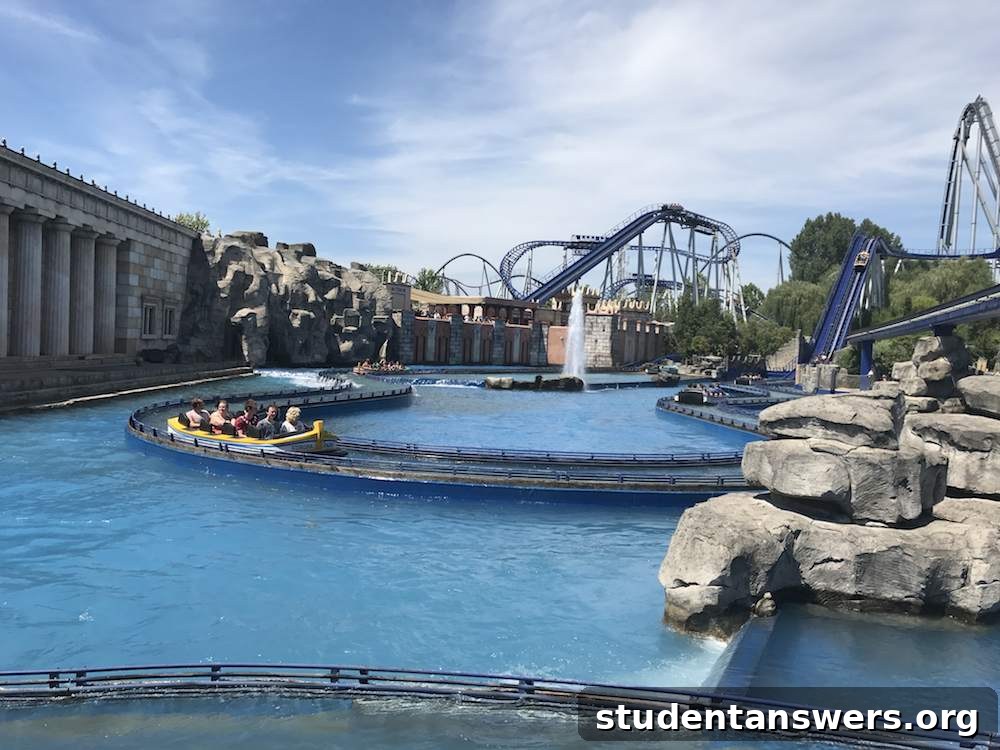
Participants gain experience in merchandising, food and beverage, or park operations. The program provides accommodation, an hourly wage, and free language training in German, Spanish, and French. You’ll work a maximum of four days a week, leaving three days free. One of these is an organized trip to explore Germany with fellow program members, while the other two are yours to relax or travel. It’s an incredible way to earn money, learn new skills, and make friends from all over Europe.
Discover the Elegance of Baden-Baden
Just a short drive from Karlsruhe lies the enchanting spa town of Baden-Baden, nestled on the edge of the Black Forest. Famous for its thermal waters since Roman times, it became Europe’s “summer capital” in the 19th and 20th centuries, attracting royalty and celebrities. Today, its historic charm and luxurious atmosphere remain.
A highlight is the Casino Baden-Baden, once declared “the most beautiful casino in the world” by Marlene Dietrich. With its glamorous French-style interiors and stunning Black Forest backdrop, it’s a truly elegant destination. Other cultural gems include the Fabergé Museum, which houses an incredible collection of the Russian jeweller’s work, and the Baden State Museum located in the magnificent Karlsruhe Palace.
Your German Adventure Awaits
Getting to the region is simple. Karlsruhe/Baden-Baden (FKB) Airport is well-connected, with budget airlines like Ryanair offering direct flights from major European cities. Once there, Germany’s efficient public transport system makes exploring easy, though a car offers more flexibility.
Choosing to work or study abroad is more than just a line on your resume; it’s a transformative experience. It pushes you out of your comfort zone, broadens your cultural horizons, and equips you with invaluable skills like language proficiency and adaptability. Whether you pursue a degree at a top-ranked university, kickstart your career in a booming tech hub, or spend a summer working in a world-famous theme park, Germany’s Karlsruhe region offers an unforgettable opportunity for personal and professional growth.