

Your Roadmap to a Professional Video Editing Career
How to Become a Video Editor: Your Ultimate 2024 Guide
Have you ever dreamed of a career that lets you tell captivating visual stories? A job that perfectly merges artistic vision with cutting-edge technology? Perhaps you’re looking for a flexible role that you can perform from anywhere with a solid internet connection and a reliable computer. If you answered “yes” to any of these questions, a career as a video editor might be your perfect match.
But what does it really take to break into this dynamic and competitive field? What specific training, software, and equipment are essential for success? And most importantly, how do you go from being a passionate beginner to landing your first paid video editing project? This comprehensive guide will answer all these questions and more.
To provide you with the best, real-world advice, we’ve consulted with professional video editor Tony Santos. In addition to running his own successful YouTube channel, Tony is the creative force behind the edits for two major channels: Thomas Frank and Thomas Frank Explains. Drawing from his extensive experience, we’ll walk you through the exact steps you need to take to become a professional video editor.
What Does a Video Editor Actually Do?
At its core, a video editor’s job is to assemble raw footage, sound, and graphics to create a cohesive and compelling final product. They are storytellers who use moving images to evoke emotion, convey information, or entertain an audience. Because video content is now a dominant force in nearly every industry, the field of video editing is incredibly vast and diverse.
While Tony primarily focuses on editing long-form videos for YouTube, his work also involves reformatting that content for short-form platforms like TikTok and Instagram Reels. This adaptability is key in today’s media landscape. Beyond social media, video editors are crucial in:
- Film and Television Production: From blockbuster movies to episodic TV series, editors are responsible for shaping the final narrative.
- Marketing and Advertising: Creating engaging commercials, promotional videos, and social media ads for brands.
- Corporate Communications: Producing internal training videos, product demonstrations, and virtual event recordings.
- Education: Developing online courses, tutorials, and other educational content.
- Event Videography: Editing weddings, concerts, and other live events into memorable films.
The day-to-day responsibilities involve close collaboration with clients, directors, or a creative team to ensure the project’s vision is realized. An editor spends most of their time working on a computer, using sophisticated software like Adobe Premiere Pro or DaVinci Resolve to cut clips, color grade footage, mix audio, and add graphics. Career paths can vary; you might choose the flexibility of freelancing, working with a range of clients on different projects, or the stability of a full-time, in-house position at a company or agency.
How to Learn Video Editing: A Step-by-Step Roadmap
Learning video editing can seem intimidating at first. It requires a unique combination of technical proficiency and artistic sensibility. However, by breaking it down into manageable steps, you can build a solid foundation for success.
Tony’s advice for beginners is to start simple: pick one piece of video editing software and commit to learning its basic functions through online tutorials. Your initial goal isn’t to create a masterpiece but to move from feeling overwhelmed by the complex interface to confidently performing simple tasks like importing footage, making cuts, and adding transitions.
Once you have a grasp of the fundamentals, the most important thing you can do is practice. Start working on small, personal projects. This is precisely how Tony honed his skills. He would watch a movie or a YouTube video, see an interesting effect or transition, and then challenge himself to replicate it. This project-based approach is far more effective than just passively watching tutorials.
You will inevitably face challenges—the software will crash, a project will look messy, or you’ll get stuck on a technical problem. This is a normal part of the learning process. With persistence and practice, your skills will steadily improve, and you’ll develop the confidence of a competent editor.
To continue your education, it’s vital to seek out resources that inspire you and teach you new techniques. Tony recommends a variety of creators to learn from:
- Casey Neistat: A legendary vlogger whose unique storytelling style has taught many editors about pacing and engagement.
- Peter McKinnon: An excellent resource for learning about both cinematography and editing, offering tutorials that are both informative and visually stunning.
- Swoozie: While an animation channel, Tony credits Swoozie with teaching him invaluable lessons about narrative structure and storytelling.
- Audrey Ember: A fantastic channel covering everything from vlogging techniques to the business side of being a freelance video editor.
- Cinecom.net: Your go-to source for high-quality tutorials on replicating professional visual effects and animations within Adobe Premiere Pro and After Effects.
Building a Portfolio to Get Your First Video Editing Gig
Knowing how to edit is only half the battle. To turn your skills into a career, you must effectively market yourself and find clients. This starts with creating a powerful portfolio, often in the form of a demo reel.
Create an Impressive Demo Reel
A demo reel is your visual resume. It’s a short, fast-paced video (typically 60-90 seconds) that showcases your best work and highlights your range of skills. This is the single most important tool you have for proving your abilities to potential clients or employers.
When you’re just starting, you won’t have a library of client work to pull from. That’s perfectly fine. Tony recommends building your initial reel from the personal projects you created while learning. You can use stock footage, edit a spec commercial, or create a short film with friends. The goal is to demonstrate your technical skills, creativity, and storytelling ability. Once you complete professional projects, you can update your reel to feature that work.
Host your demo reel on platforms like YouTube or Vimeo for easy sharing. It should be prominently featured on your personal website or online portfolio. If you don’t have a personal website yet, creating one is a crucial step in establishing your professional brand.
How to Network and Find Your First Client
Networking is essential for any freelancer, but it requires the right approach. Simply spamming people with messages asking for a job is ineffective and unprofessional.
Instead, follow Tony’s strategy, which focuses on providing value first:
- Use platforms like Twitter, LinkedIn, and even Instagram to search for relevant terms like “video editor needed” or “looking for an editor.”
- Identify creators, brands, or companies that you admire and would love to work with.
- Engage with their content genuinely. Then, send a personalized message. Instead of asking for a job, try something like, “I’m a huge fan of your content. I’m a video editor, and I’d love to know if there’s any way I can help you with your workflow.”
- Approach every interaction without expectation. Your goal is to build genuine connections. Some of those connections may lead to jobs, while others will simply expand your professional network. Both outcomes are valuable.
Tony has found Twitter to be a surprisingly effective platform for finding editing opportunities. A quick search often reveals numerous job postings. The accessibility of online networking is a massive advantage for new editors. Tony himself once received valuable career advice from a director at Walt Disney Studios simply by sending a respectful and curious message on LinkedIn.
Video Editor Career FAQ
To round out this guide, here are answers to some of the most common questions from aspiring video editors.
Do I need a college degree to be a video editor?
The short answer is no. While Tony studied cinematography and animation in college, he acknowledges that the vast majority of technical skills can be learned online through self-study and practice. A strong portfolio and demonstrable skills are far more valuable to clients than a degree. The main benefit of a formal film program is the structured environment and networking opportunities, but you can create these for yourself through online communities and proactive outreach.
Which video editing software is the best?
The “best” software is subjective and depends on your needs. Ultimately, all professional programs are just tools; the fundamental principles of storytelling and editing are transferable. However, if you’re aiming for a professional career, it’s wise to learn an industry-standard application. Adobe Premiere Pro is the dominant software in many sectors and is a great skill to have on your resume. Other excellent professional options include Apple’s Final Cut Pro (for Mac users) and Blackmagic’s DaVinci Resolve, which has an incredibly powerful free version. For absolute beginners, free programs like iMovie (Mac) or HitFilm Express (Windows) are great starting points.
How much do video editors make?
Compensation varies widely based on experience level, location, industry, and whether you are a freelancer or a full-time employee. As a freelance editor, your income is determined by the rates you can negotiate. Initially, you may need to take on lower-paying jobs to build experience, but as your portfolio and reputation grow, you can command higher fees. For full-time positions in the U.S., entry-level salaries might start around $40,000, with experienced senior editors at major companies earning well over $100,000 per year.
Do I need an expensive camera?
Not at all, especially if your primary focus is on editing. You can learn the craft entirely using free, high-quality stock footage from sites like Pexels and Vidsplay. If you do want to shoot your own content, the camera on your smartphone is more than capable enough to get you started.
Start Your Video Editing Journey Today
Becoming a successful video editor is an achievable goal for anyone with passion and dedication. It doesn’t require a formal degree, but it does demand a commitment to continuous learning, countless hours of practice, and a proactive approach to building your professional network. By following the steps outlined in this guide and putting in the work, you can build a rewarding and creative career.
A special thanks to Tony Santos for sharing his invaluable advice and experience for this article. You can see his work on his website and YouTube channel.
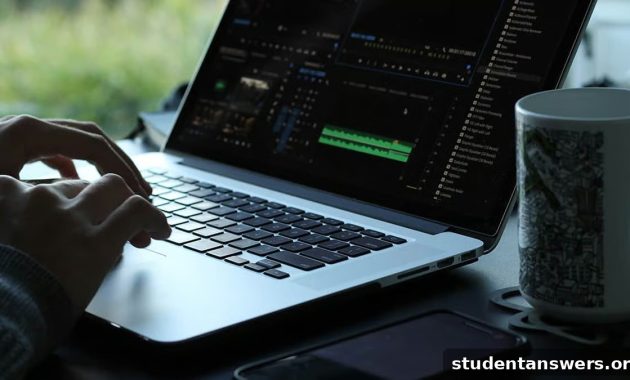
Image Credits: editing a video on a laptop, closeup of Adobe Premiere