

Goodbye Greasy Spoons Hello Green Bowls

The New Student Diet: Why Health, Ethics, and Instagram Are Reshaping Campus Cuisine
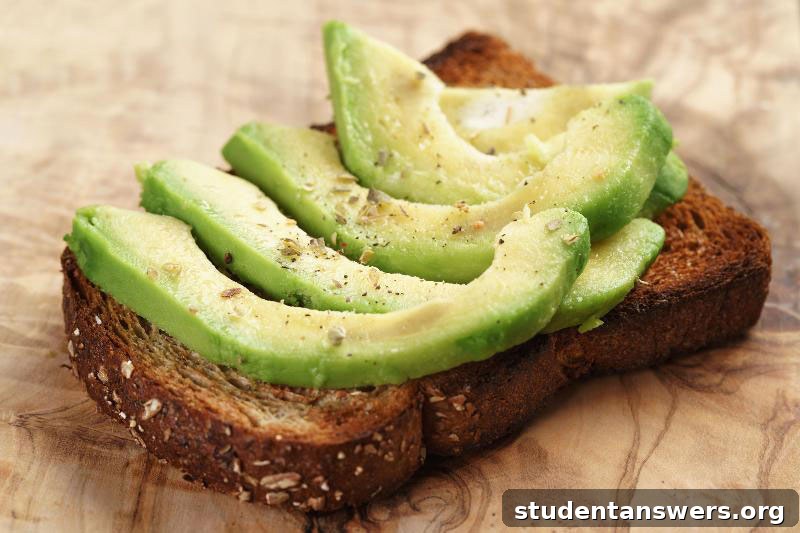
The age-old stereotype of the university student subsisting on a diet of instant noodles, cheap pizza, and last night’s takeaway is rapidly becoming a relic of the past. A new generation is trading microwave meals for mindful eating, driven by a powerful combination of health consciousness, ethical awareness, and the undeniable influence of social media. Recent research reveals a profound shift in student dietary habits, painting a picture of a demographic that is more informed, deliberate, and adventurous in their food choices than ever before.
According to a revealing study by kitchen specialists Magnet, today’s students are not just eating differently; they are fundamentally rethinking their relationship with food. This culinary revolution on campus shows that students have become significantly more conscientious about their diets than their parents and grandparents were at the same age.
The Rise of Conscious Eating on Campus
The data highlights a clear and compelling trend: students are actively embracing modern food movements. A staggering 69% of students surveyed confirmed that their food choices are now heavily influenced by popular trends such as ‘clean eating’ and ‘raw food’ diets. This isn’t just a passive interest; it’s translating into tangible action. A full third of the student population (33%) now makes a “conscious effort to eat healthier food” on a regular basis, a direct response to the rise of these wellness-focused movements.
This commitment goes beyond simply adding more vegetables to their plates. More than one in five students (21%) have taken the decisive step of completely eliminating certain foods from their diet that they now consider “too unhealthy.” This suggests a deeper level of nutritional literacy and a willingness to make significant lifestyle changes for long-term well-being. The focus has shifted from mere convenience to nutritional value, with students increasingly prioritizing whole foods, nutrient density, and ingredients that support both physical energy and mental clarity for their demanding academic schedules.
The Ethical Plate: A Surge in Vegan and Vegetarian Lifestyles
One of the most significant findings from the research is the dramatic increase in plant-based eating among students. The study shows that students today are an incredible six times more likely to adopt a vegetarian or vegan diet compared to their parents’ generation. This move away from meat and dairy is not just a dietary preference but a reflection of a broader ethical and environmental awakening.
For many students, the decision to go vegan or vegetarian is rooted in concerns about animal welfare, the environmental impact of industrial agriculture, and the pursuit of a more sustainable lifestyle. They are acutely aware of issues like carbon footprints and water usage associated with meat production. This ethical consideration is a powerful motivator, often outweighing the potential challenges of maintaining a plant-based diet on a tight student budget. Students are proving to be resourceful, seeking out affordable staples like lentils, chickpeas, beans, and tofu to create satisfying and nutritious meat-free meals.
From Microwave Meals to Meal Prep: A New Kitchen Culture
The notion of students spending minimal time in the kitchen is being thoroughly debunked. The research found that the average student now spends approximately 30 minutes per day preparing and cooking their meals. This dedication represents a complete departure from the instant-noodle-slurping cliché of yesteryear. Students are not just cooking; they are actively engaging with their food, investing time and effort to create meals from scratch.
Specialist Dietitian Nichola Ludlam-Raine commented on this positive trend, stating, “It’s great to hear that students are cooking from scratch rather than relying on takeaways. Eating a nutrient-rich diet consisting of regular meals and an adequate amount of fluid is a must for energy levels and optimal brain function, especially when studying.” This new kitchen culture is about more than just sustenance; it’s about self-care and performance optimization. By taking control of their meals, students are fueling their bodies and minds for success, recognizing the direct link between good nutrition and academic achievement.
The Instagram Effect: How Social Media Shapes Student Pantries
What is fueling this culinary transformation? A significant part of the answer lies in the palm of their hands. The influence of social media, particularly Instagram, has been monumental in shaping student food culture. The once-essential “student cookbook” has been relegated to the back of the cupboard, replaced by an endless scroll of vibrant, mouth-watering content from food bloggers and wellness influencers.
Nearly 30% of students identified Instagram as their primary source of food inspiration. They are not just passively viewing this content; they are actively using it as a digital cookbook and shopping list, heading to the supermarket to recreate the stunning dishes they see on their feeds. The platform’s visual nature makes healthy eating look appealing, accessible, and aspirational. The immense popularity of this trend is evidenced by the proliferation of hashtags like #foodporn, which has amassed over 136 million posts, and #foodie, with more than 71 million. This digital food community provides inspiration, recipes, and a sense of shared experience, encouraging students to experiment with new ingredients and cooking techniques.
Inside the Modern Student’s Cupboard: The New Essentials
A look inside the cupboards and refrigerators of today’s students reveals a pantry that looks vastly different from those of previous generations. Gone are the days of it being stocked solely with pasta and canned soup. Instead, you’ll find a range of so-called ‘health foods’ and ‘superfoods’ that reflect the latest wellness trends.
Chickpeas (36%)
A true student staple, chickpeas are affordable, versatile, and packed with protein and fiber. They are the foundation for homemade hummus, a hearty addition to curries and salads, or can be roasted for a crunchy, healthy snack.
Turmeric (30%)
This vibrant yellow spice is celebrated for its anti-inflammatory properties. Students are adding it to everything from curries and rice dishes to trendy “golden milk” lattes, seeking both flavor and functional health benefits.
Cacao (12%)
Raw cacao powder is the less-processed cousin of cocoa and is favored as a “healthy” way to satisfy chocolate cravings. Rich in antioxidants, it’s a popular ingredient in smoothies, homemade energy balls, and healthy baking.
Dried Seaweed (8%)
No longer confined to sushi restaurants, dried seaweed sheets (nori) have become a popular low-calorie, savory snack. They provide a unique umami flavor and a dose of iodine and other minerals.
Energy Balls (7%)
Rather than buying processed granola bars, many students are making their own energy balls. Typically made from dates, nuts, seeds, and oats, they are a perfect grab-and-go snack for study sessions or pre-workout fuel.
Spirulina & Wheatgrass (6%)
These green superfood powders are a common sight in the student kitchen. A spoonful added to a morning smoothie is an easy way for students to boost their intake of vitamins, minerals, and antioxidants.
Nutritional Yeast Flakes (6%)
An essential for vegan students, nutritional yeast provides a savory, cheesy flavor perfect for sprinkling over pasta, popcorn, or salads. It’s also often fortified with Vitamin B12, a crucial nutrient in a plant-based diet.
A Lasting Generational Shift
The evidence is clear: the modern student’s approach to food is a world away from the convenience-first mentality of the past. This is more than a fleeting trend; it represents a fundamental, generational shift towards a more mindful, healthy, and ethically-aware way of eating. By embracing whole foods, cooking from scratch, and leveraging digital platforms for inspiration, students are not only nurturing their own well-being but are also setting new standards for campus life and redefining what it means to eat well on a budget.